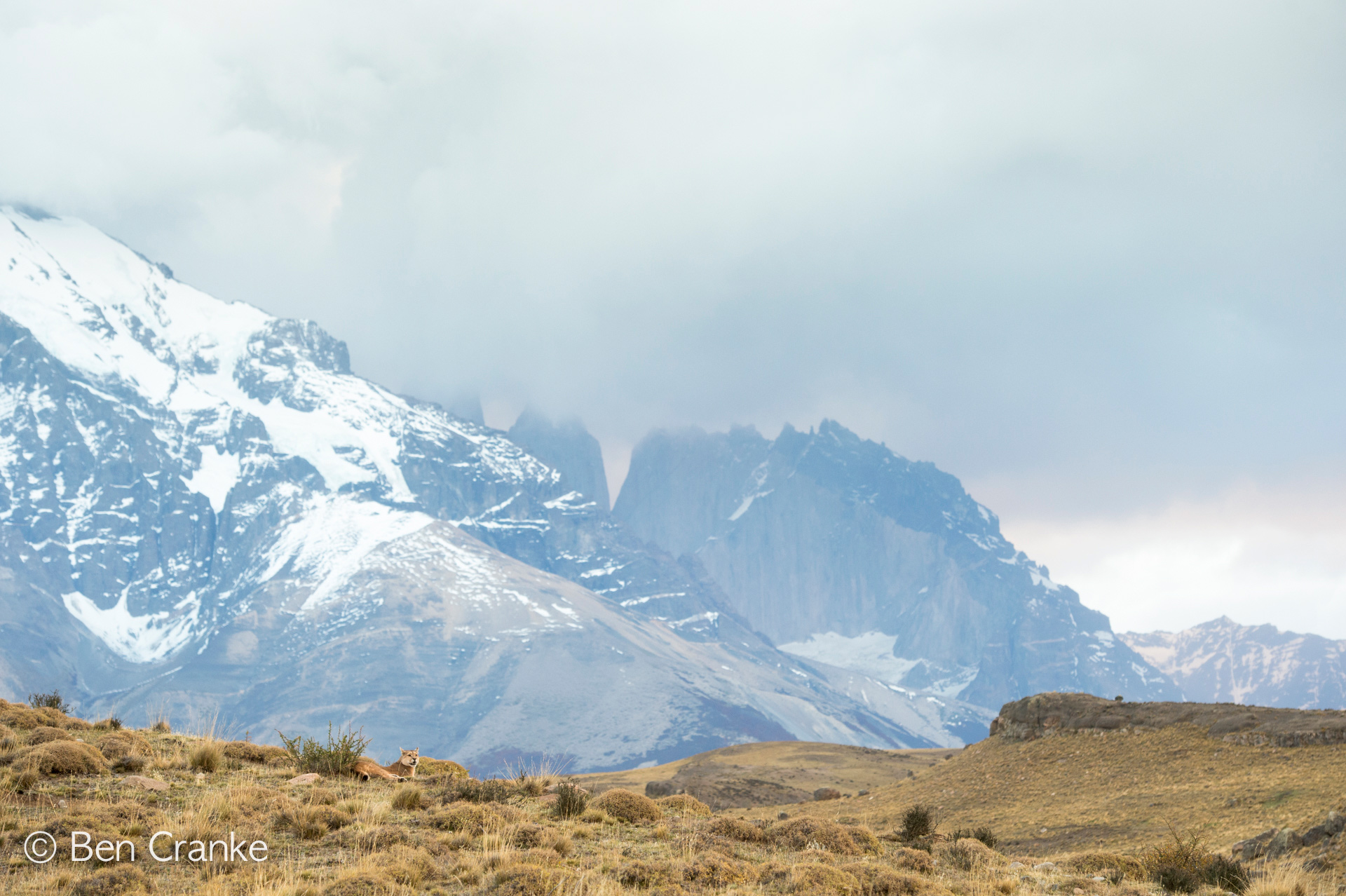
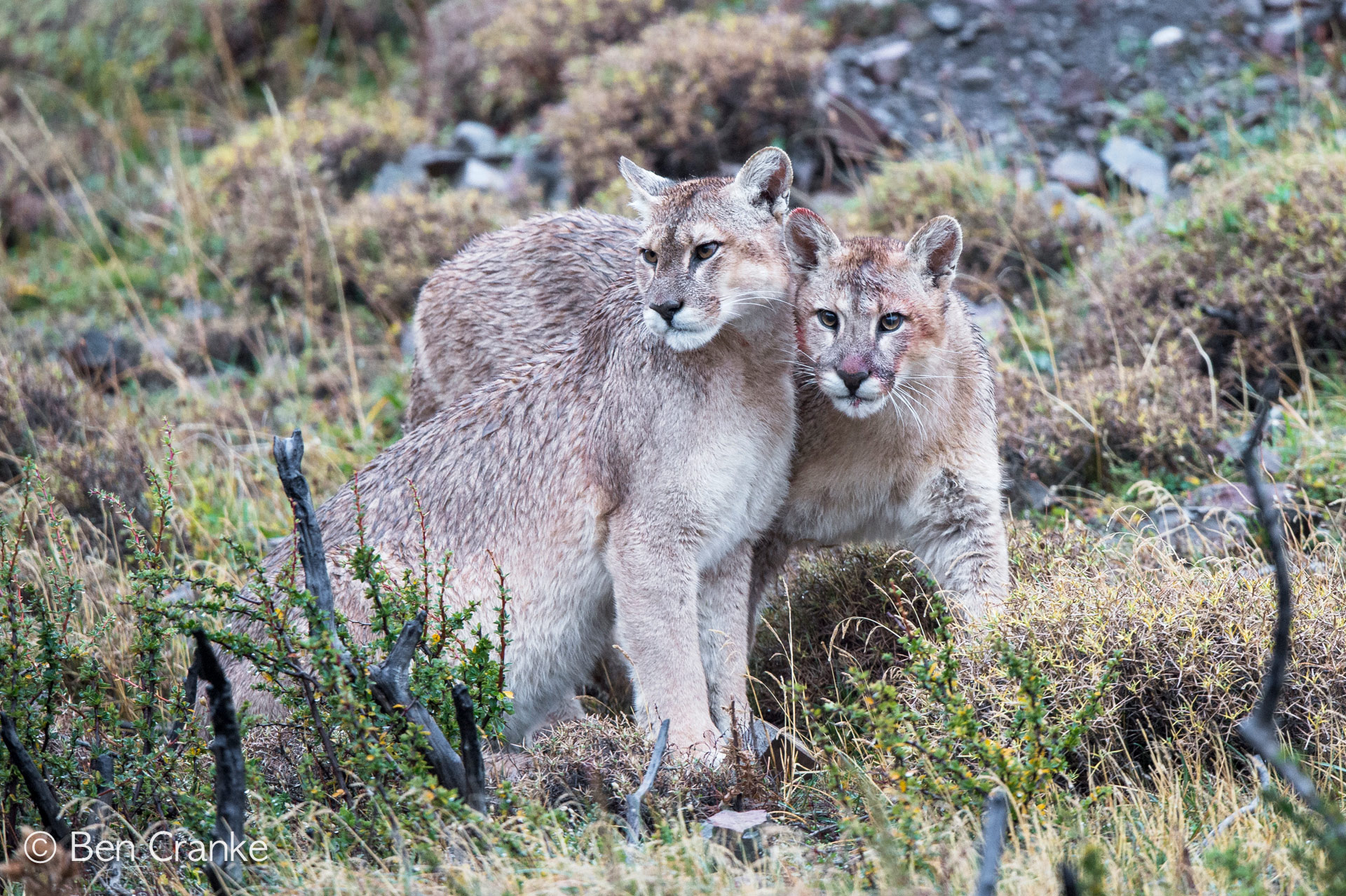
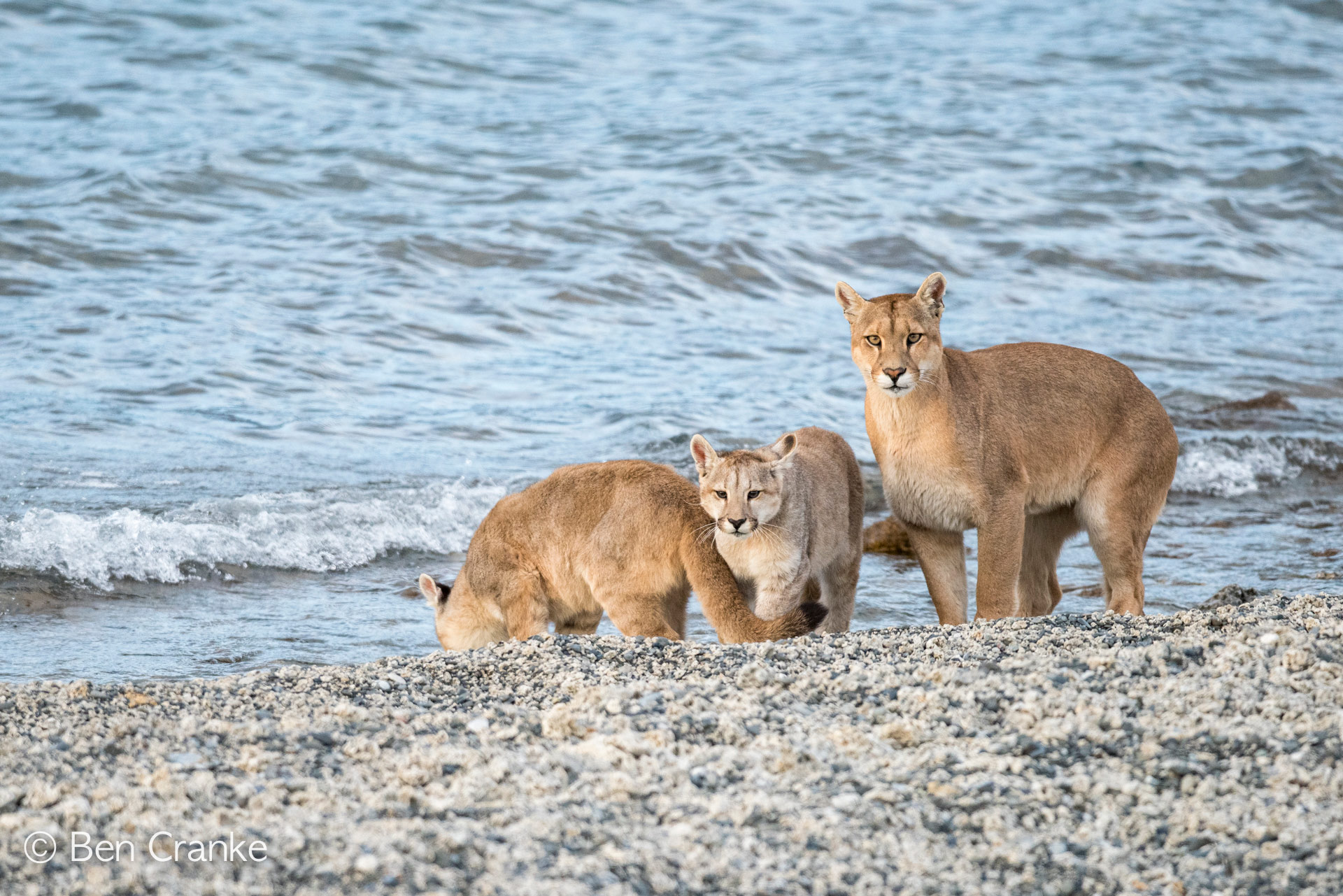
An elusive hunter of the Americas
Built for stealth and speed, the puma thrives where few predators can.
Puma photography offers anextraordinary opportunity to capture one of the Americas’ most elusive andadaptable predators. Also known as mountain lions or cougars, pumas are admiredfor their stealth, elegance, and ability to thrive across diverse landscapes.Discover where to photograph pumas, the best conditions for sightings,recommended camera equipment, and techniques for creating powerful images ofthese remarkable wild cats.
Find them at the following tours
Our photo safaris are designed to bring you as close to the wild as possible, so that you can watch and photograph these extraordinary animals in their natural habitat.
Overview
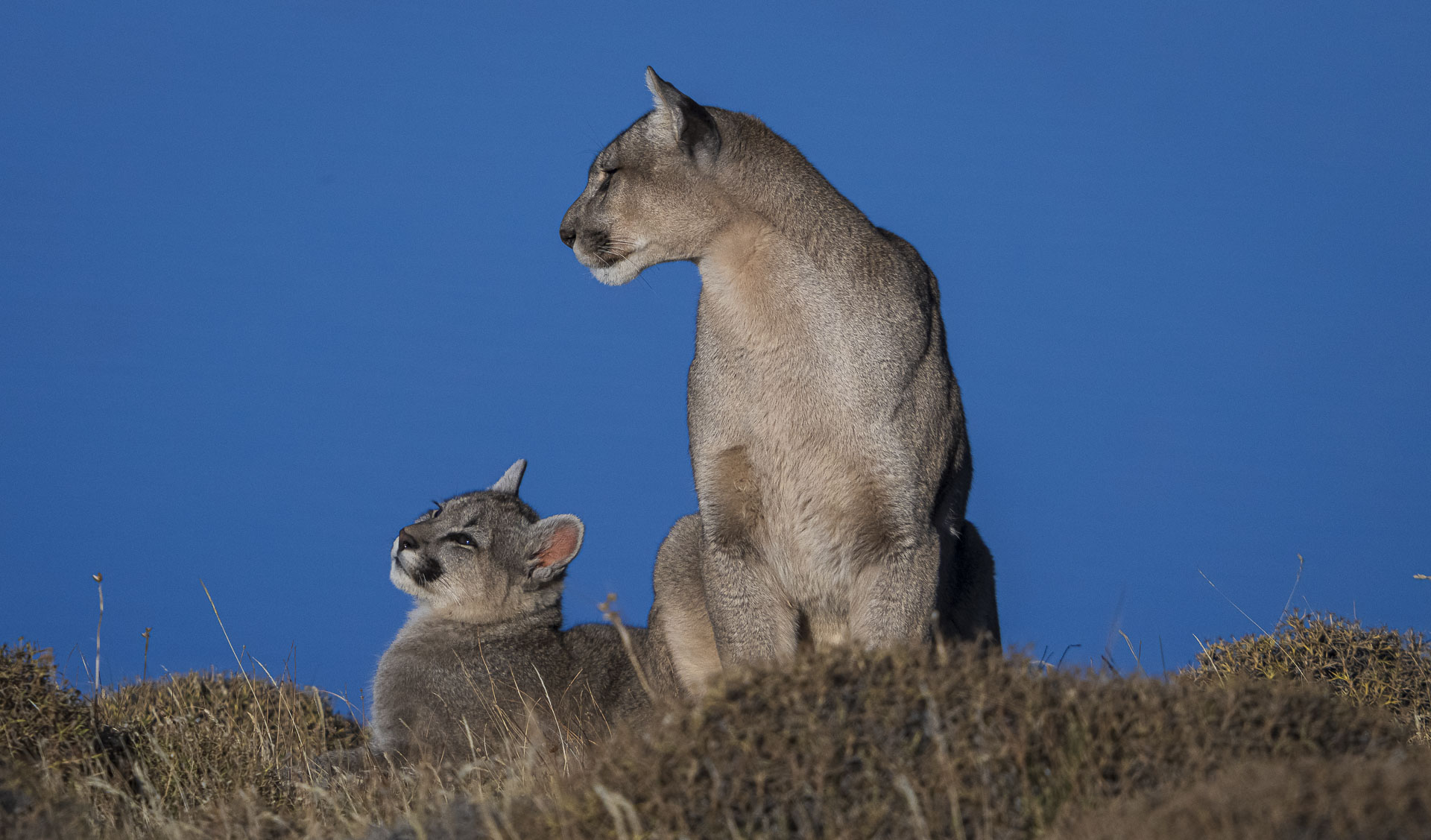
Puma photography offers an extraordinary opportunity to capture one of the Americas’ most elusive and adaptable predators. Also known as mountain lions or cougars, pumas are admired for their stealth, elegance, and ability to thrive across diverse landscapes

Key Facts
Types and Habitats
Pumas (Puma concolor) range widely across the Americas, with several subspecies showing subtle differences in size and coat colour. Their adaptability allows them to thrive in forests, mountains, deserts, and coastal regions. As skilled hunters, they primarily target deer but will also take smaller prey like rodents, hares, and occasionally livestock. This flexibility in habitat and diet has made the puma one of the most successful and wide-ranging big cats in the world.
FAQ
Explore the Fascinating World of This Animal Through These Frequently Asked Questions (FAQs)
Where is the best place to photograph pumas in the wild?
Why are pumas challenging and rewarding photography subjects?
When is the best time to photograph pumas?
What camera equipment is best for puma photography?
How do pumas behave in the wild?