
A Shoebill stork, Chimpanzee and Gorilla photo safari
Uganda: A Two-Week Wildlife Adventure
Our two-week photographic adventure took us across a remarkable part of Uganda, with three main targets in mind: shoebill storks, chimpanzees and mountain gorillas. We could never have imagined just how much more the trip would deliver.
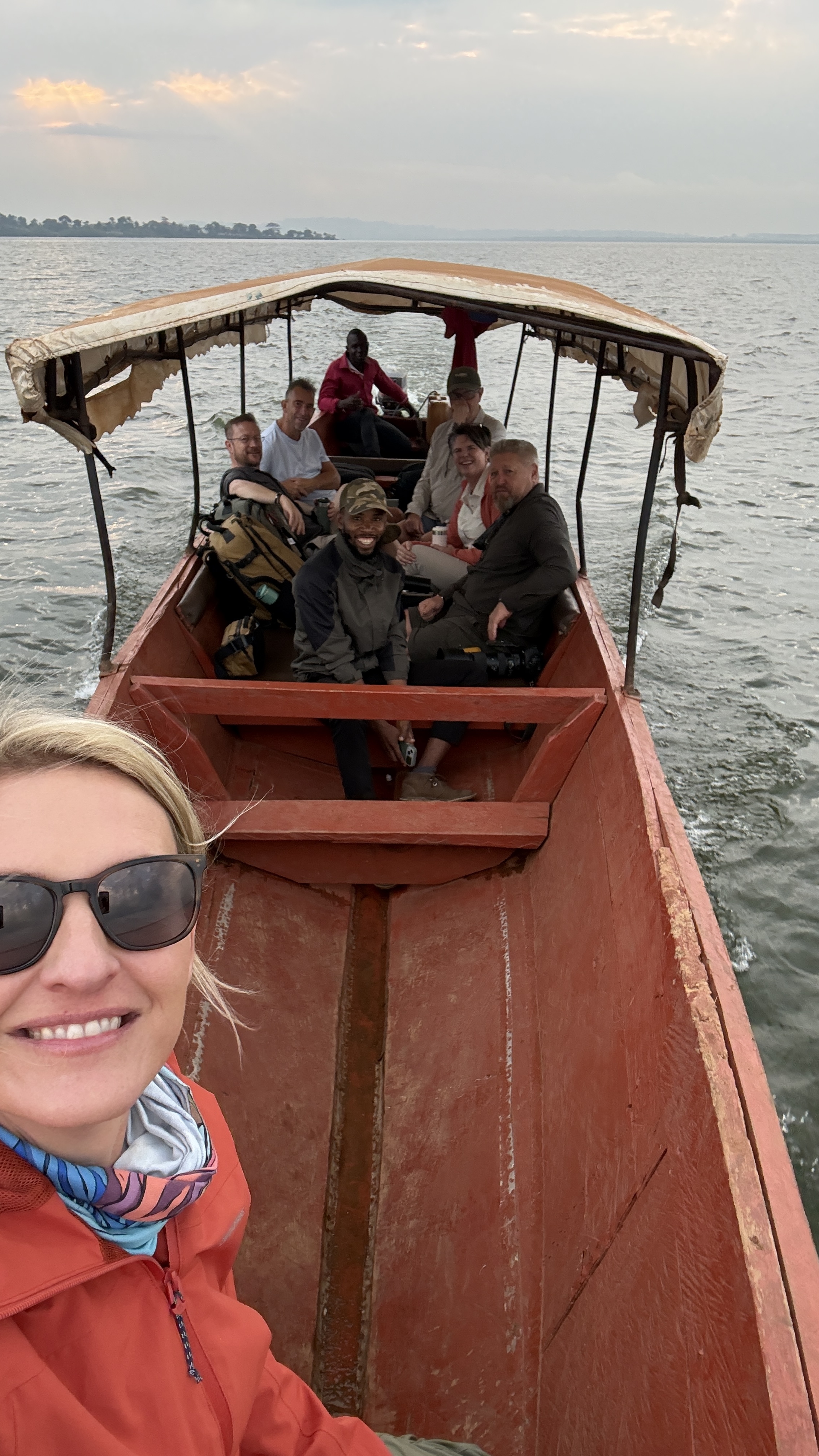
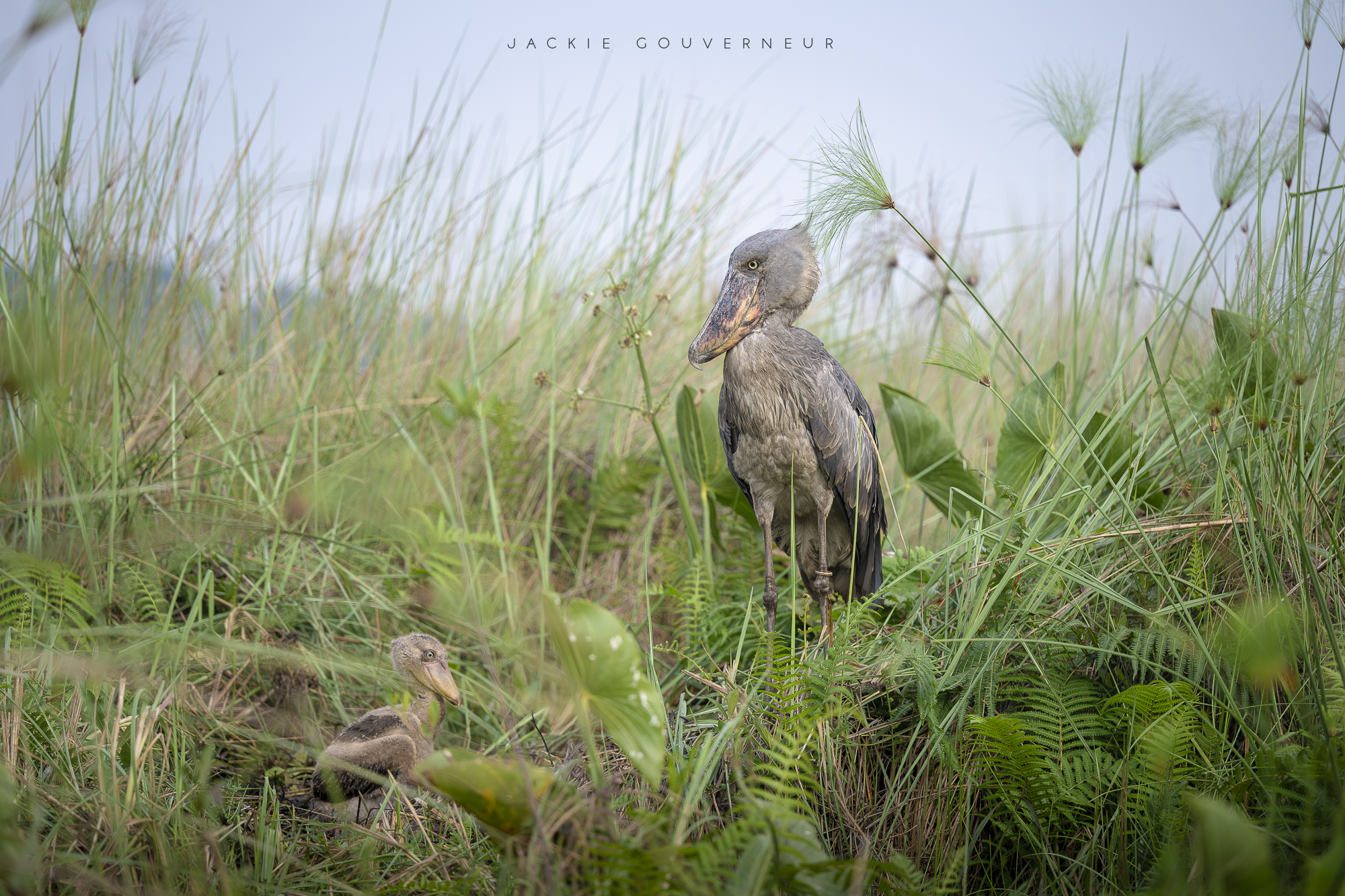
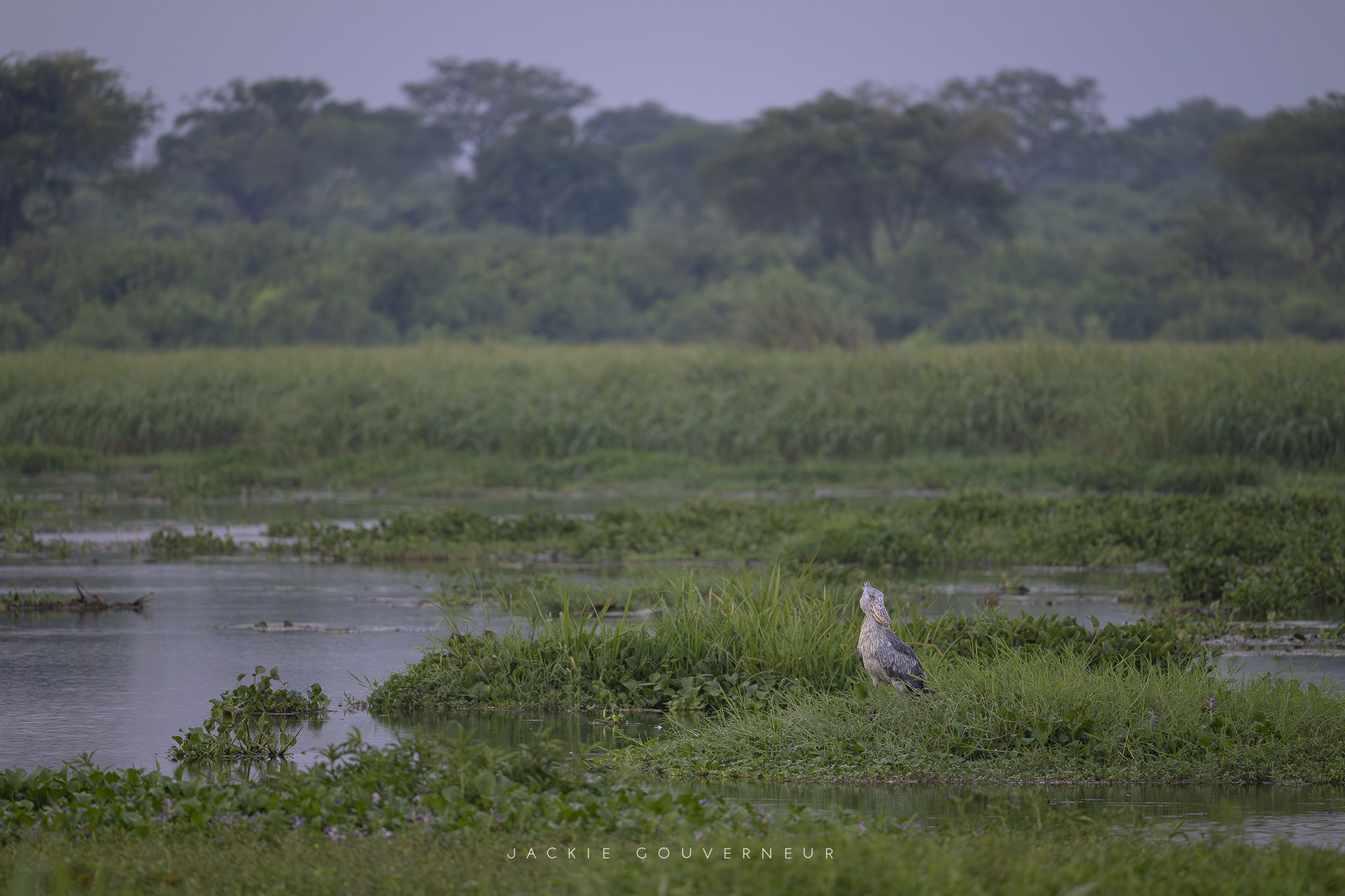
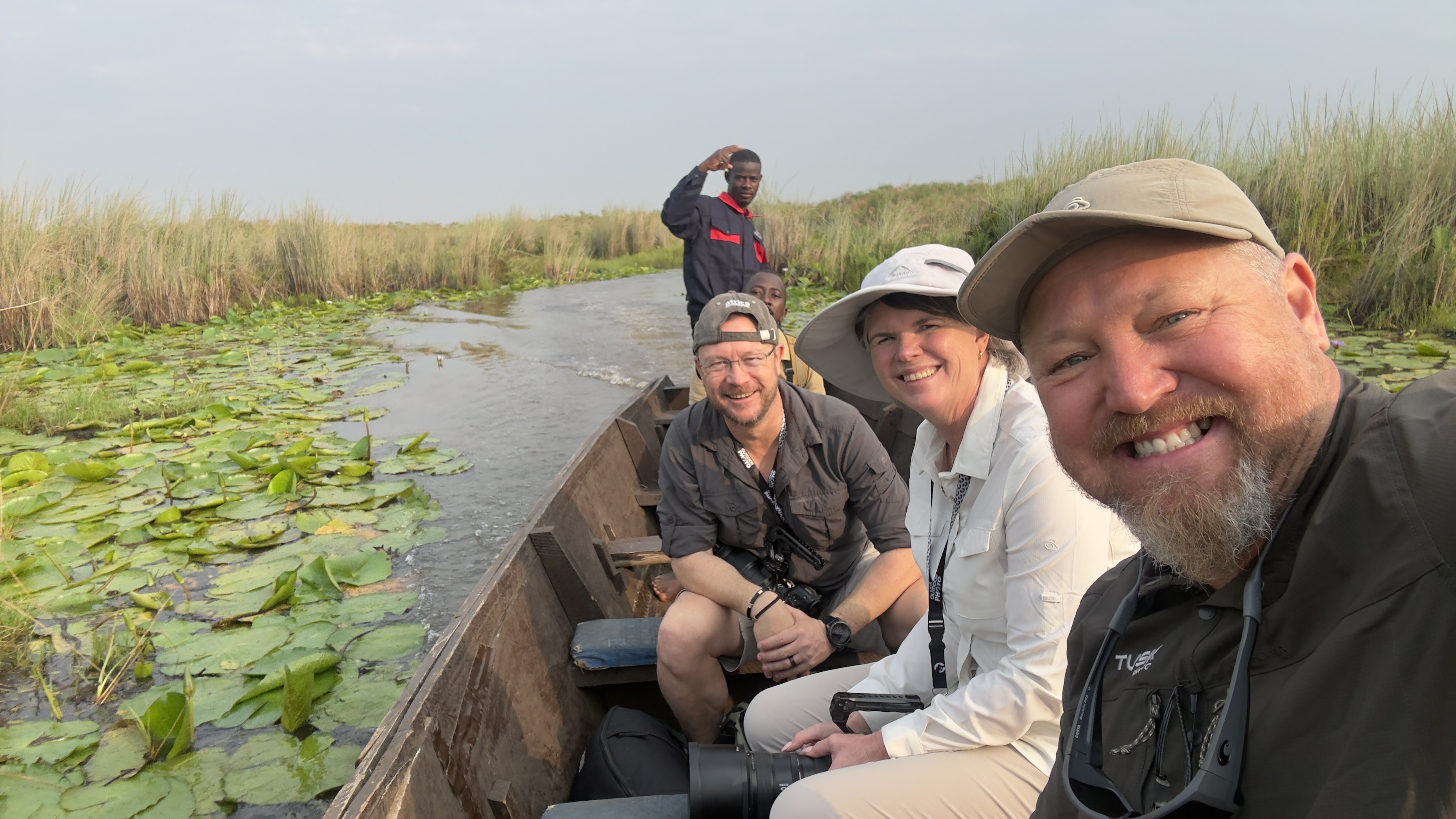
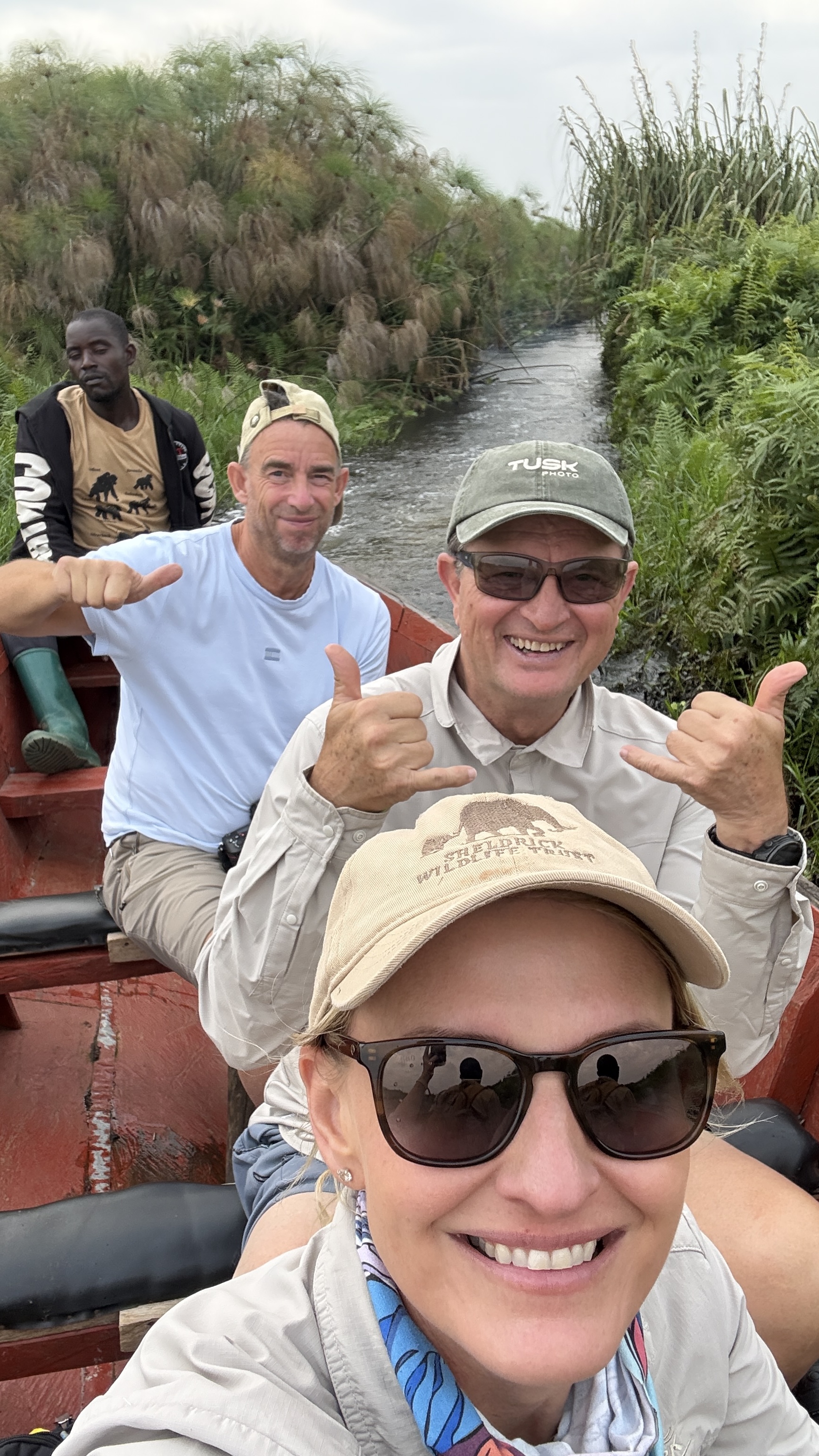
We began at Mabamba Swamps, located on the northern side of Lake Victoria. We jumped on a local motorised wooden canoe and headed into the swamp, cruising through narrow channels searching for shoebill storks. We were incredibly fortunate to encounter a shoebill with a baby. We spent time photographing beautiful portraits and simply enjoying the privilege of being in such a special environment. It’s not often one gets to have relatively unobstructed views of a shoebill chick – and what a strangely cute bird it is –with a head that looks bigger than it’s body!
From there, we continued to Murchison Falls, a dream destination that I’ve been wanting to see since I first saw explorer Kingsley Holgate visit the area, when I was in my teens. I was not disappointed – what a sight! The mighty Nile river powering its way through a tiny gorge, with beautiful indigenous bush all around. It’s really beautiful – and although we targeted shoebills we saw so much wildlife and birdlife around.
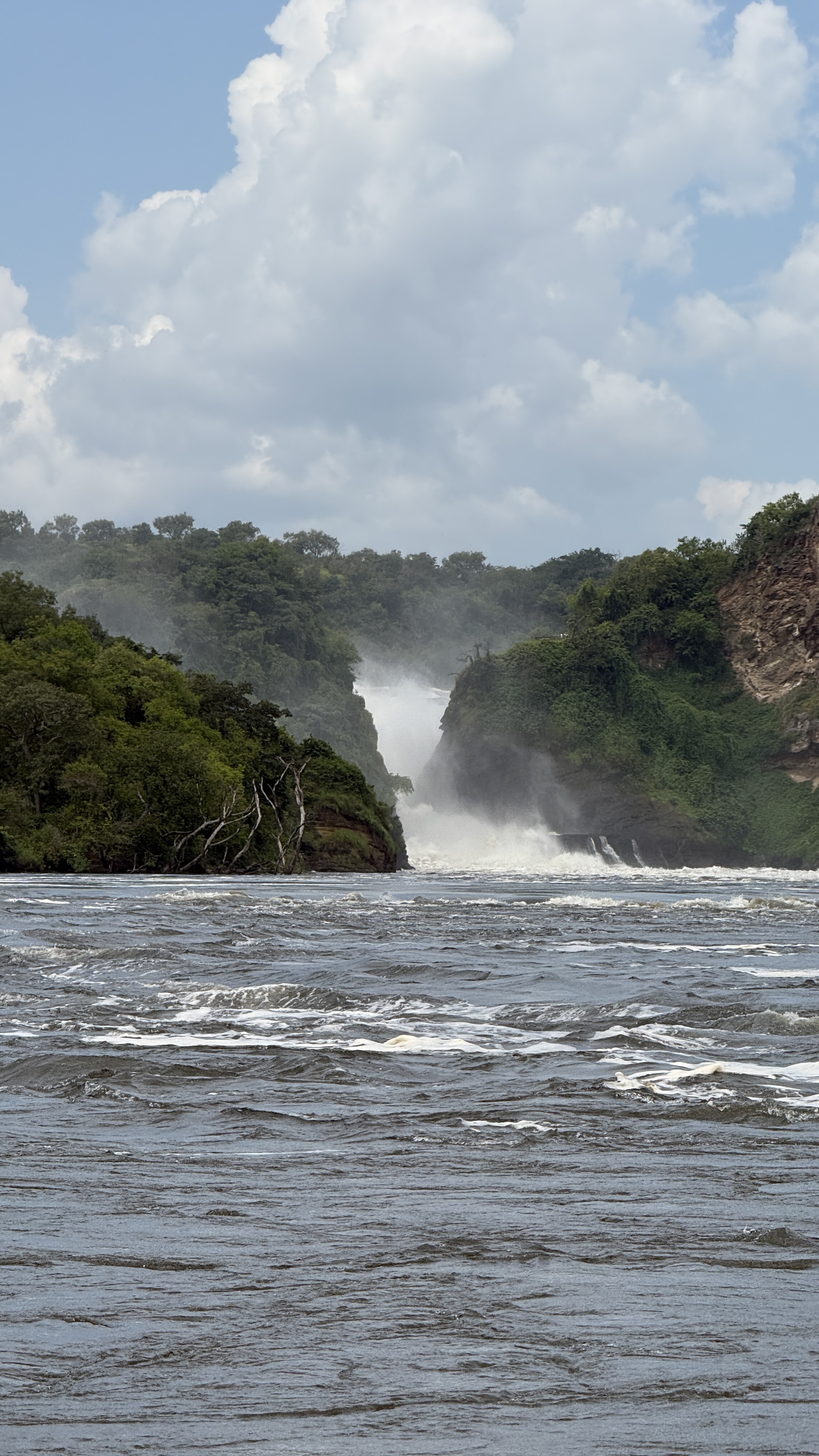
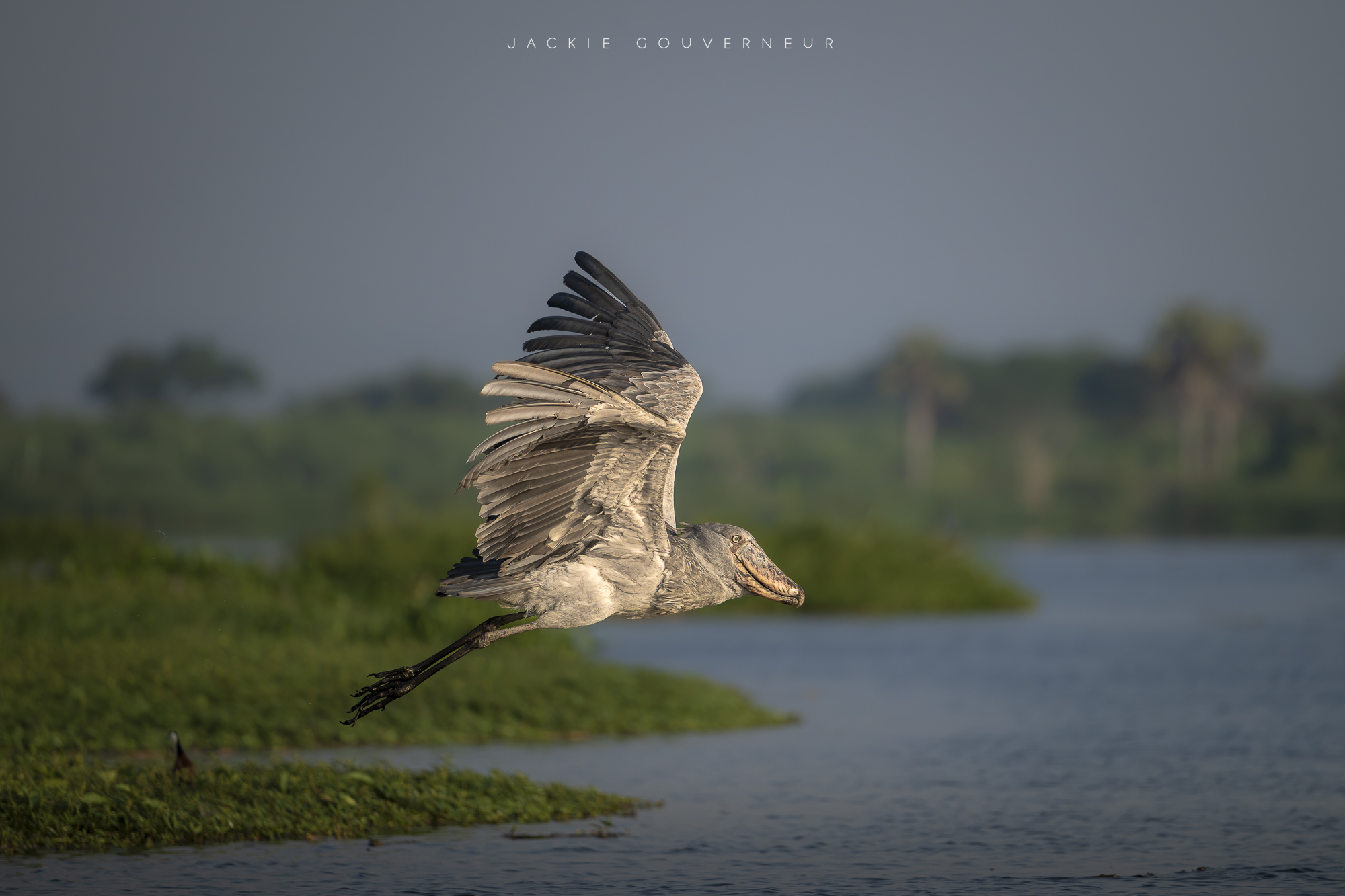
On our very first morning, we found three shoebills, including some fantastic opportunities for in-flight photographs, and each morning brought another memorable encounter of at least 2 to 3 individuals. Our afternoons were just as exciting, as we chose to go fishing alongside Murchison Falls rather than relaxing at the camp. With the falls as our backdrop, we targeted, caught and released a few Nile perch — a fantastic experience and plenty of fun. Tony got the big one – and we all plan to go back for ours!
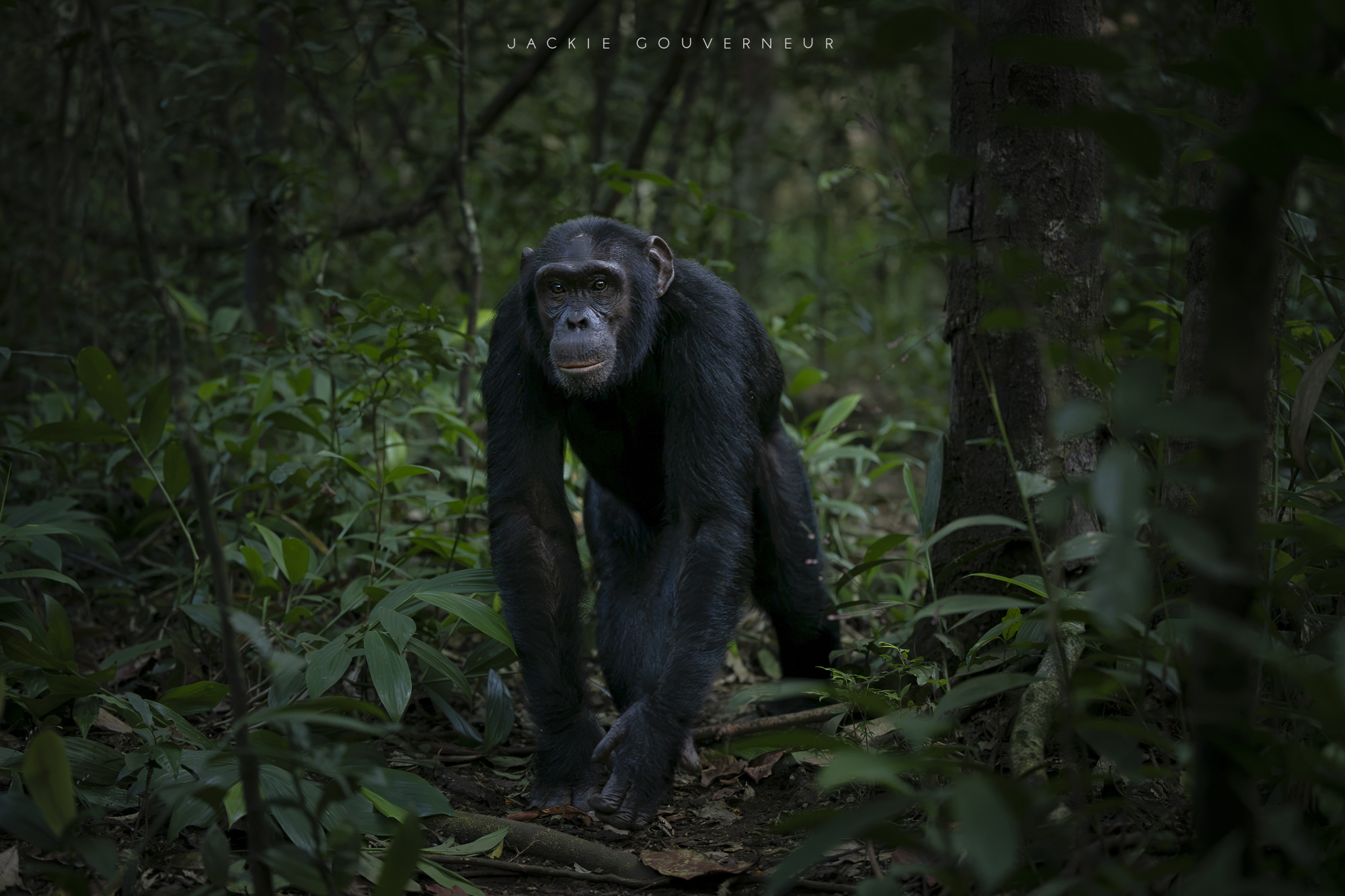
From Murchison, we moved on to Kibale Forest for chimp tracking. Our first experience was a longer, more strenuous chimp habituation track, but eventually we found the chimps and were rewarded with some wonderful photographic opportunities. The following day, a more traditional chimp track gave us much easier access and some incredible views.This was a first for many of us – and seeing this species that shares around 98,8%of our DNA was really fascinating.
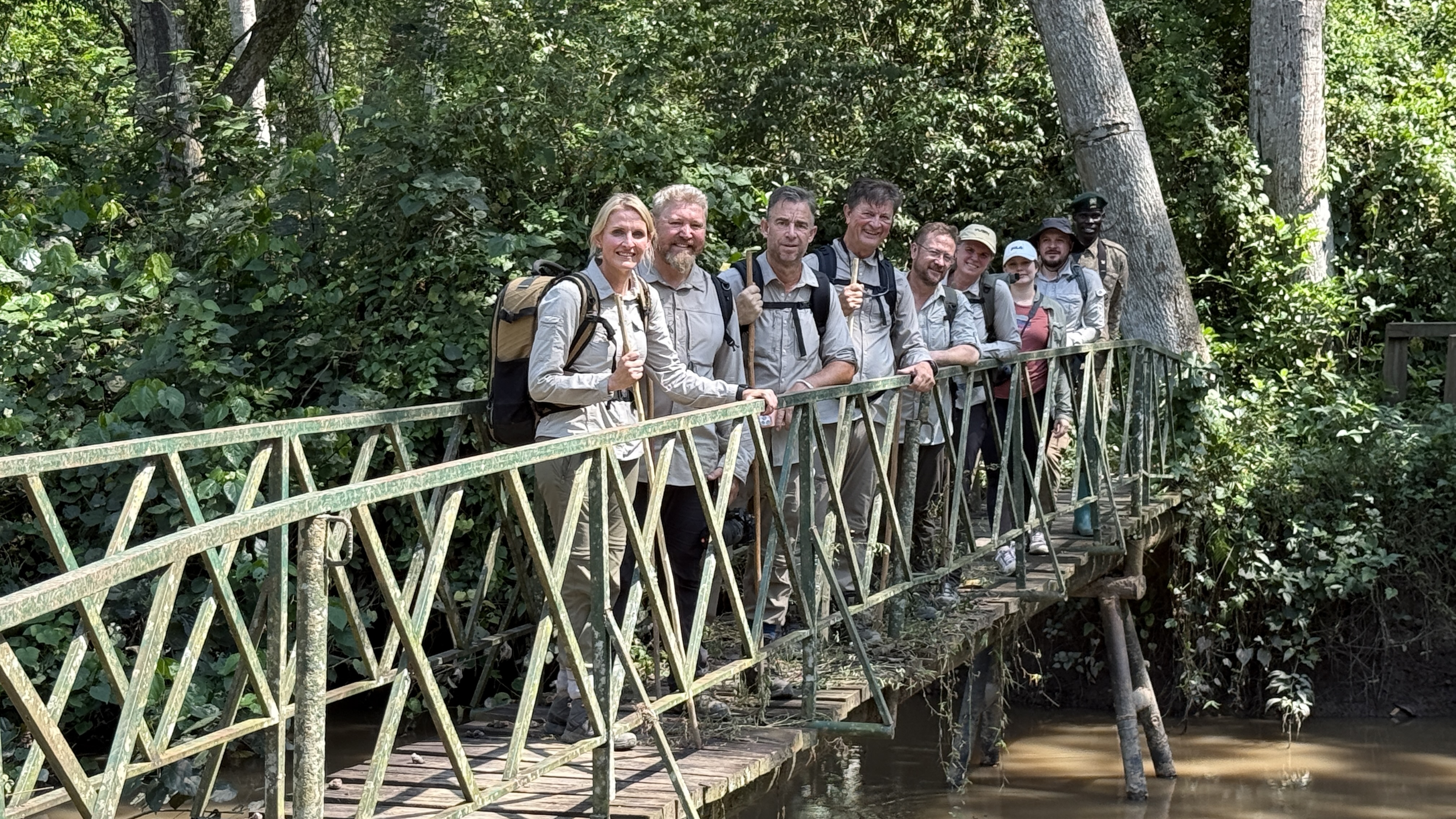
On one of the afternoons after a chimp trek, we also headed to the Bigodi Wetland Sanctuary – a conservation project managed by the local community. We were led by a young local bird guide – he was extremely knowledgeable and super friendly. The walk takes 3-4 hours and focusses on local bird species and the 9 primates species that are found in this isolated pocket of forest. We got close up views of Great blue turacos, Golden-crowned woodpecker, Blue-headed coucal and many more. We saw most of the primates - Black-and-white colobus monkeys, Grey-cheeked Mangabey, Red-trailed Monkey and others. It’s highly recommended – a good walk and such great species to see and photograph.
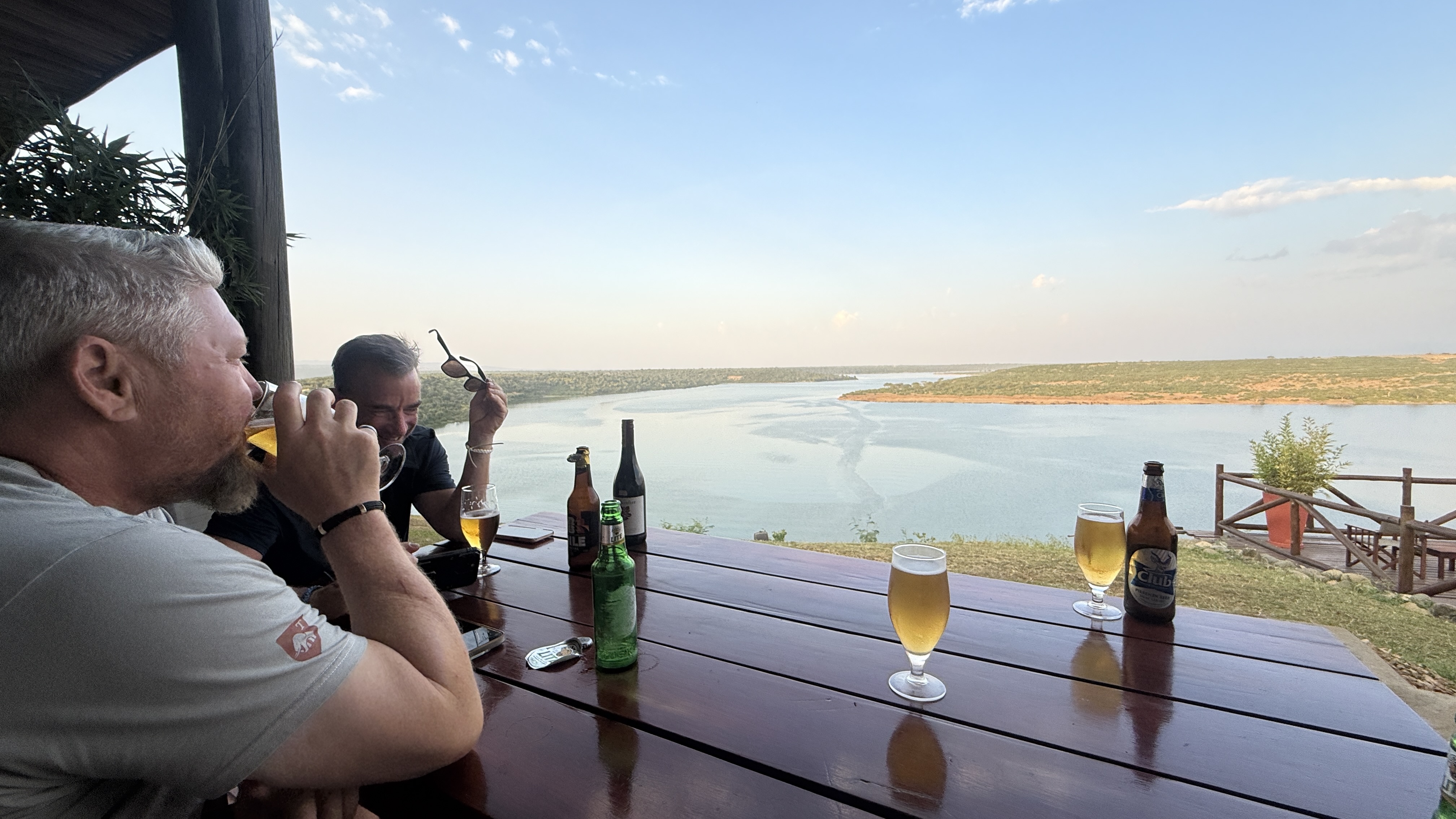
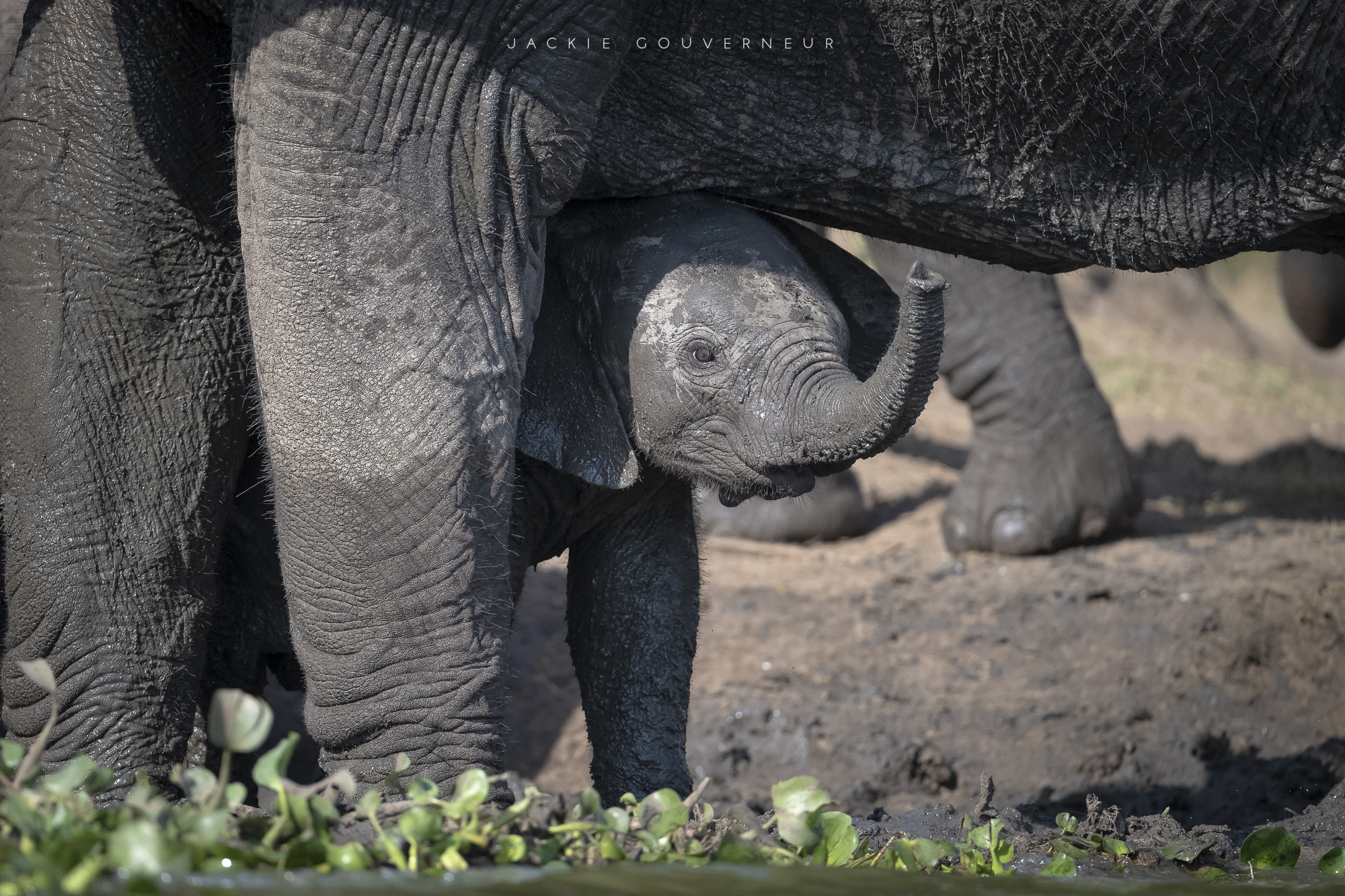
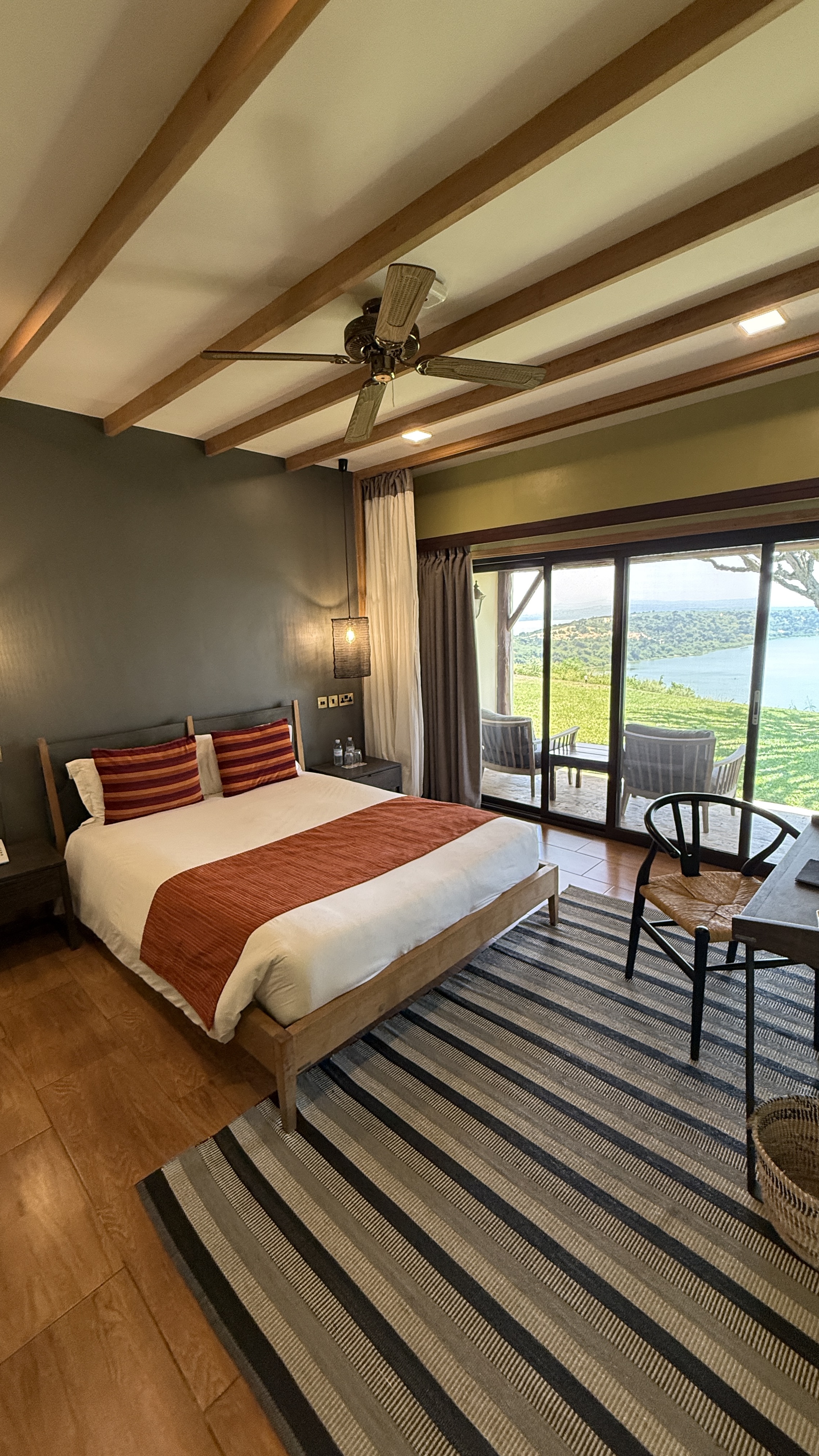
We then headed on to Queen Elizabeth National Park. Our accommodation was set high up on a hill overlooking the Kazinga channel –this must be one of Africa’s best views –with constant streams of animals to be seen - herds of elephants, buffalos and birds enjoying the water. Enjoying a beer at the dining area overlooking that scene is an absolutely memorable experience.
In the morning’s, we headed to Kyambura Gorge (for chimp treks), where the scenery alone was spectacular. Our first chimp track there was exceptionally challenging, with the chimps moving into dense and difficult terrain. We scrambled through bushes and were thoroughly tested, but managed to come away with a few rewarding images. We were told this kind of difficult sighting only happens once or twice a month — so, naturally, we had managed to pick the day!
The following morning couldn't have been more different. We found the chimps in an open area, completely relaxed around us, and even witnessed mating behaviour at close range. It was an unforgettable experience.
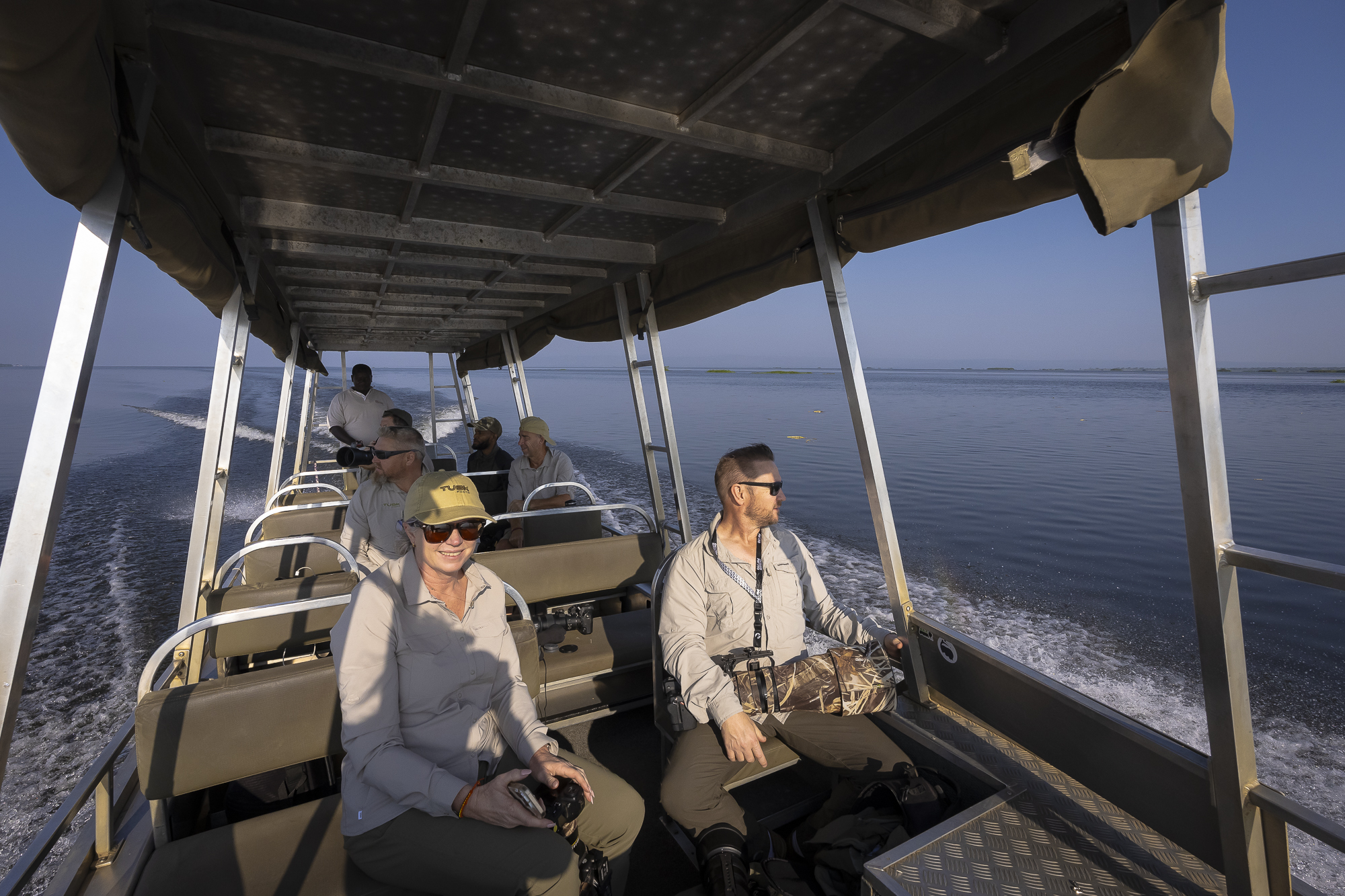
Afternoons were spend cruising along the Kazinga channel – photographing mammals like elephants and buffalo as well as countless bird species. The experience is reminiscent of boating the Chobe, there is so much to see. Photographing flocks of skimmer at last light was the cherry on the top.
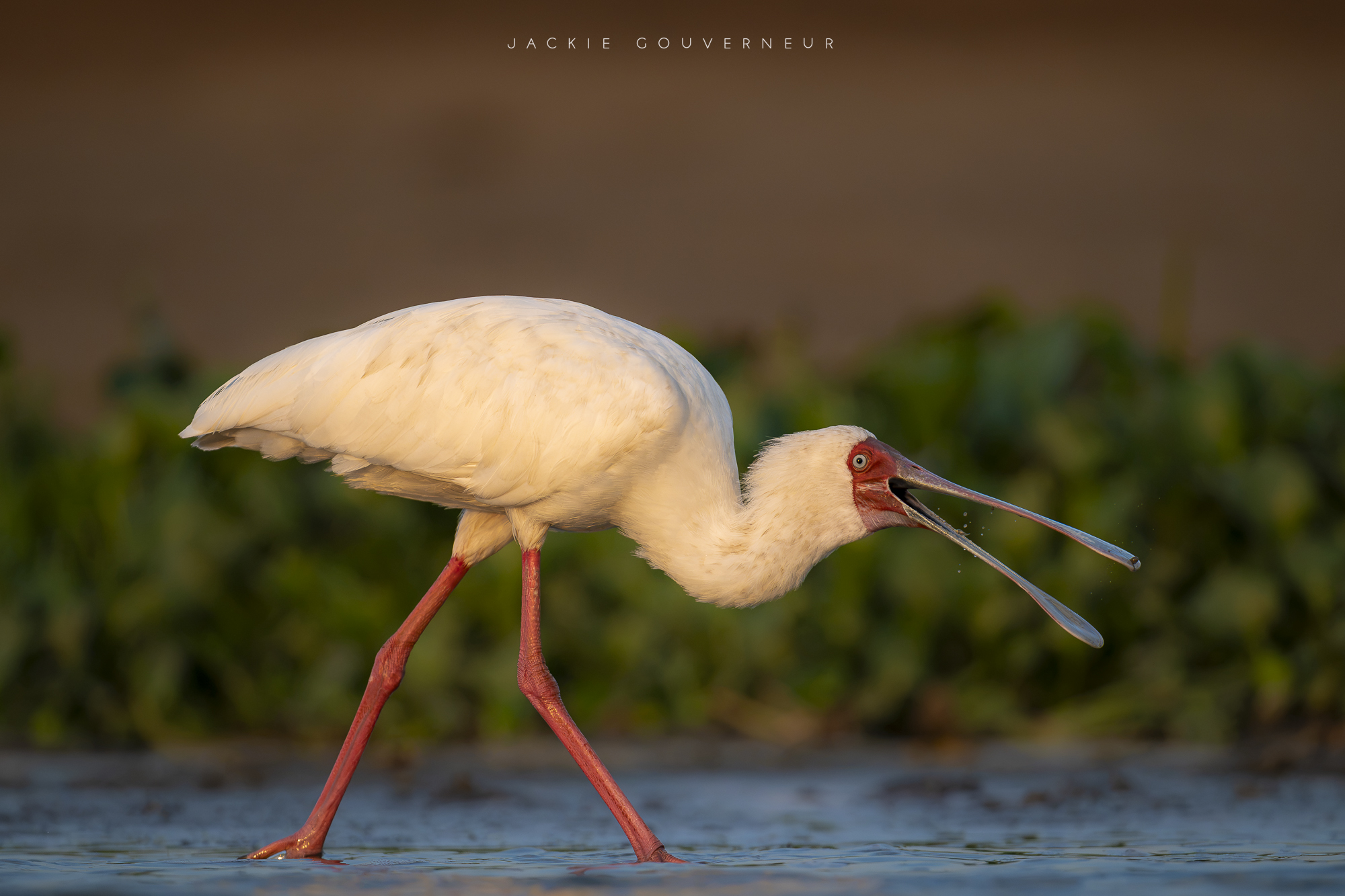
Our final destination was Bwindi Impenetrable Forest, where we spent two days trekking mountain gorillas. Our lodge, overlooking the forest, was the perfect base for what would be the final highlight of the trip.
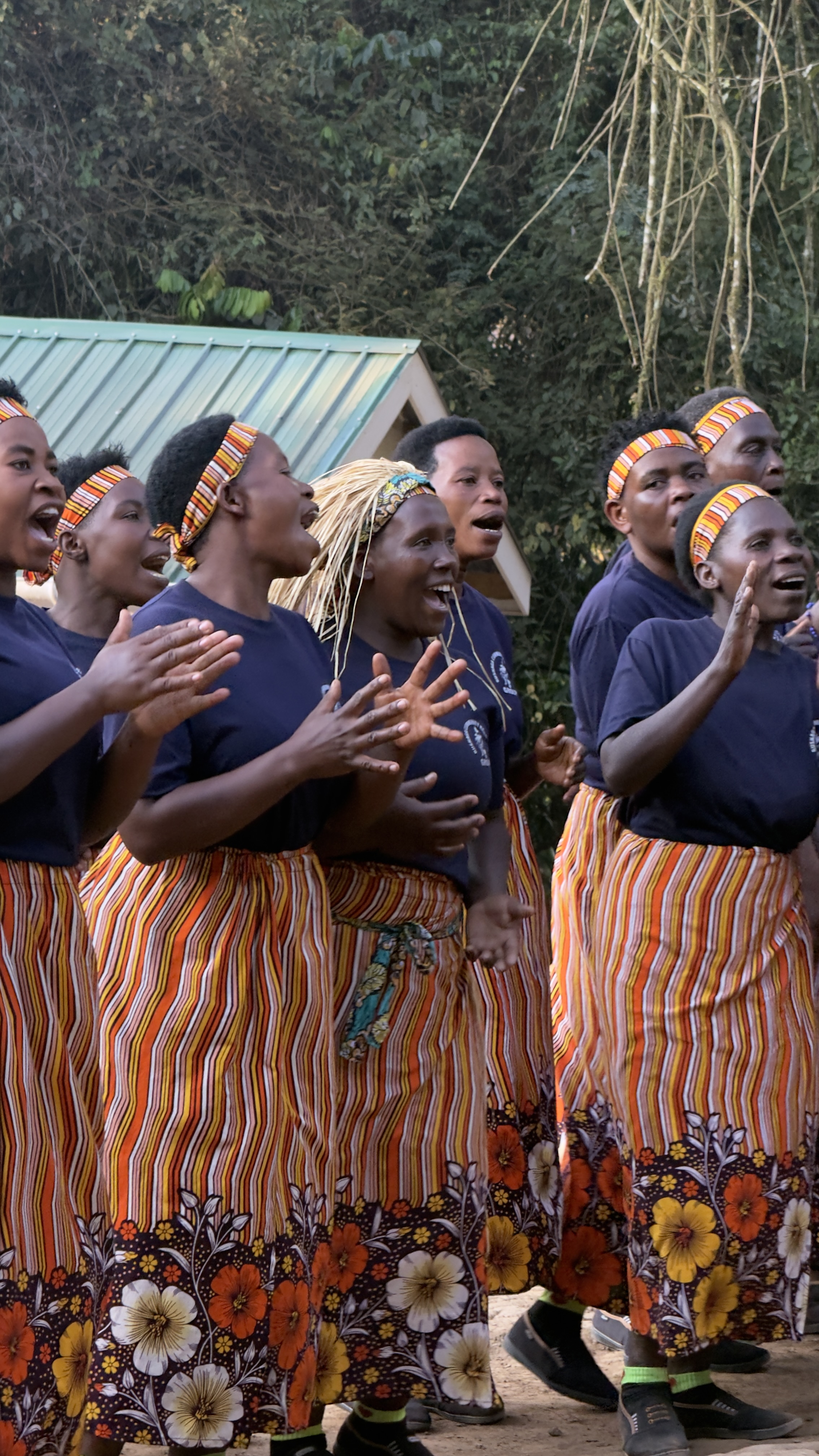
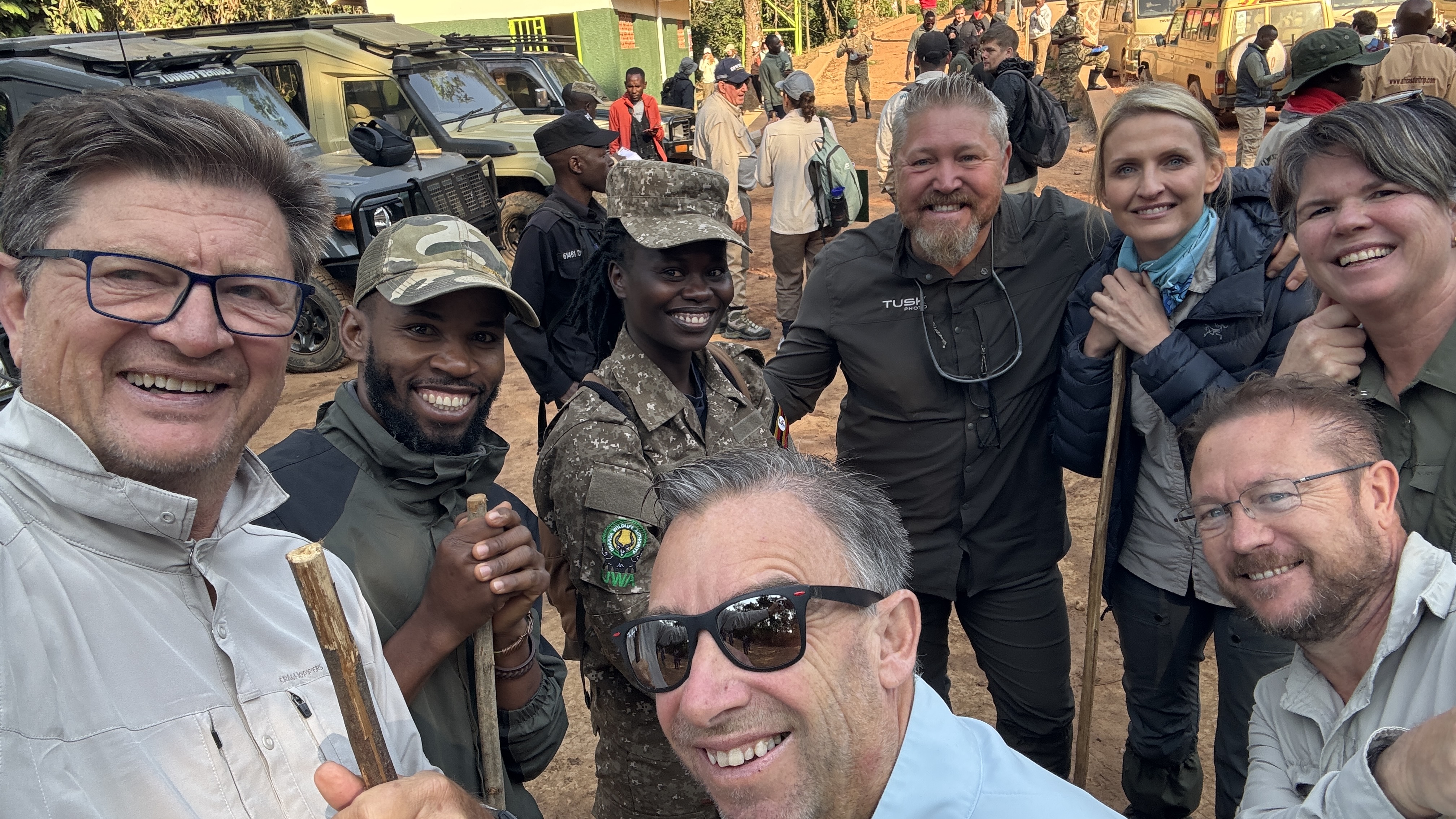
Each morning would start with a briefing at the Ugandan Wildlife Authority headquarters – where we were told which group we’d be trekking. Local dancers provided entertainment – these ladies can move –their singing and drumming is absolutely mesmerising.
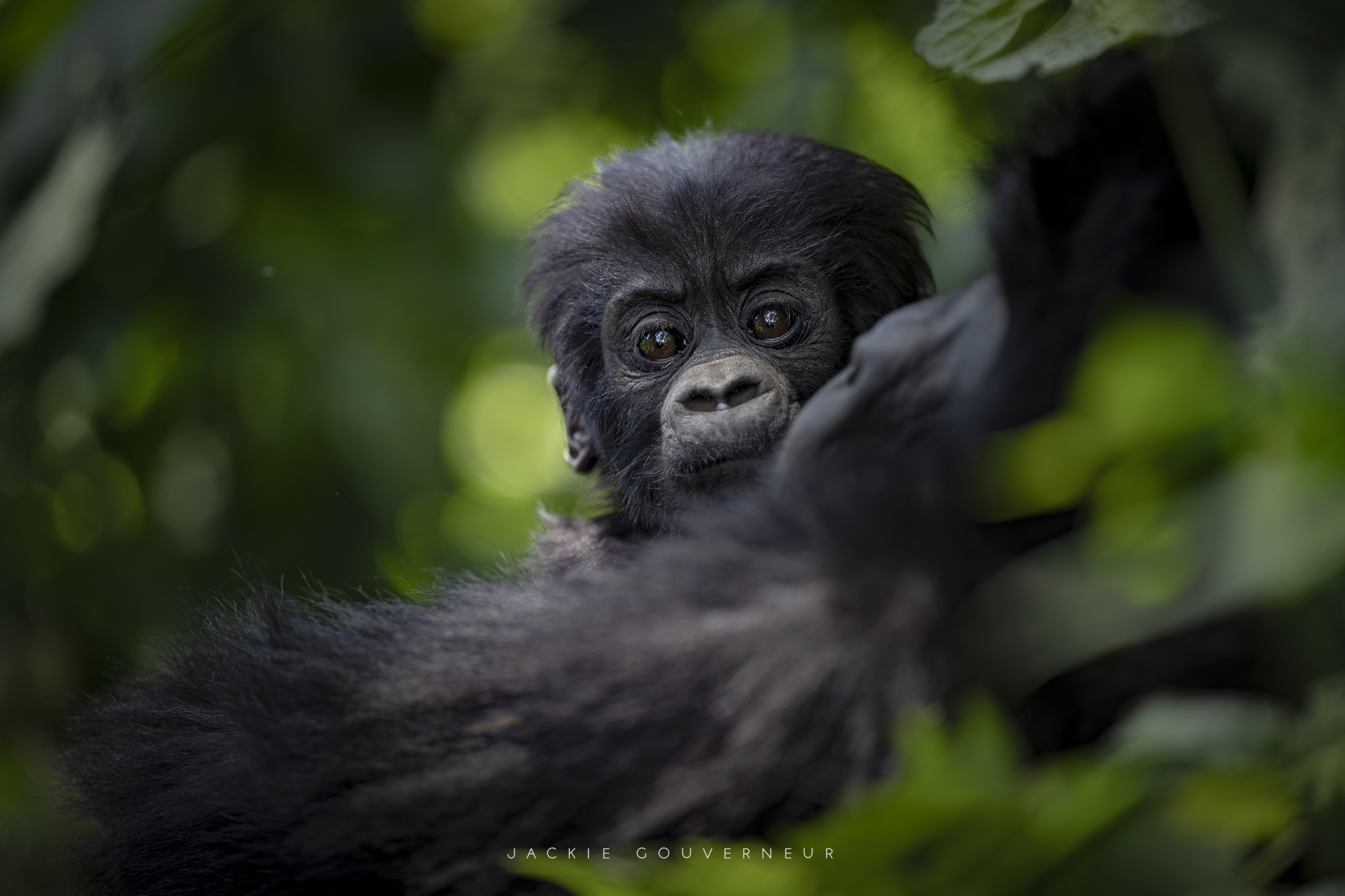
On our first trek, after walking for around an hour and a half, we found a beautiful family (Mucunguzi group) and spent a wonderful amount of time watching two youngsters interact. The entire group, including the silverback, eventually lay and rest in a bundle –sleeping peacefully – with just the smallest baby walking all over dad.
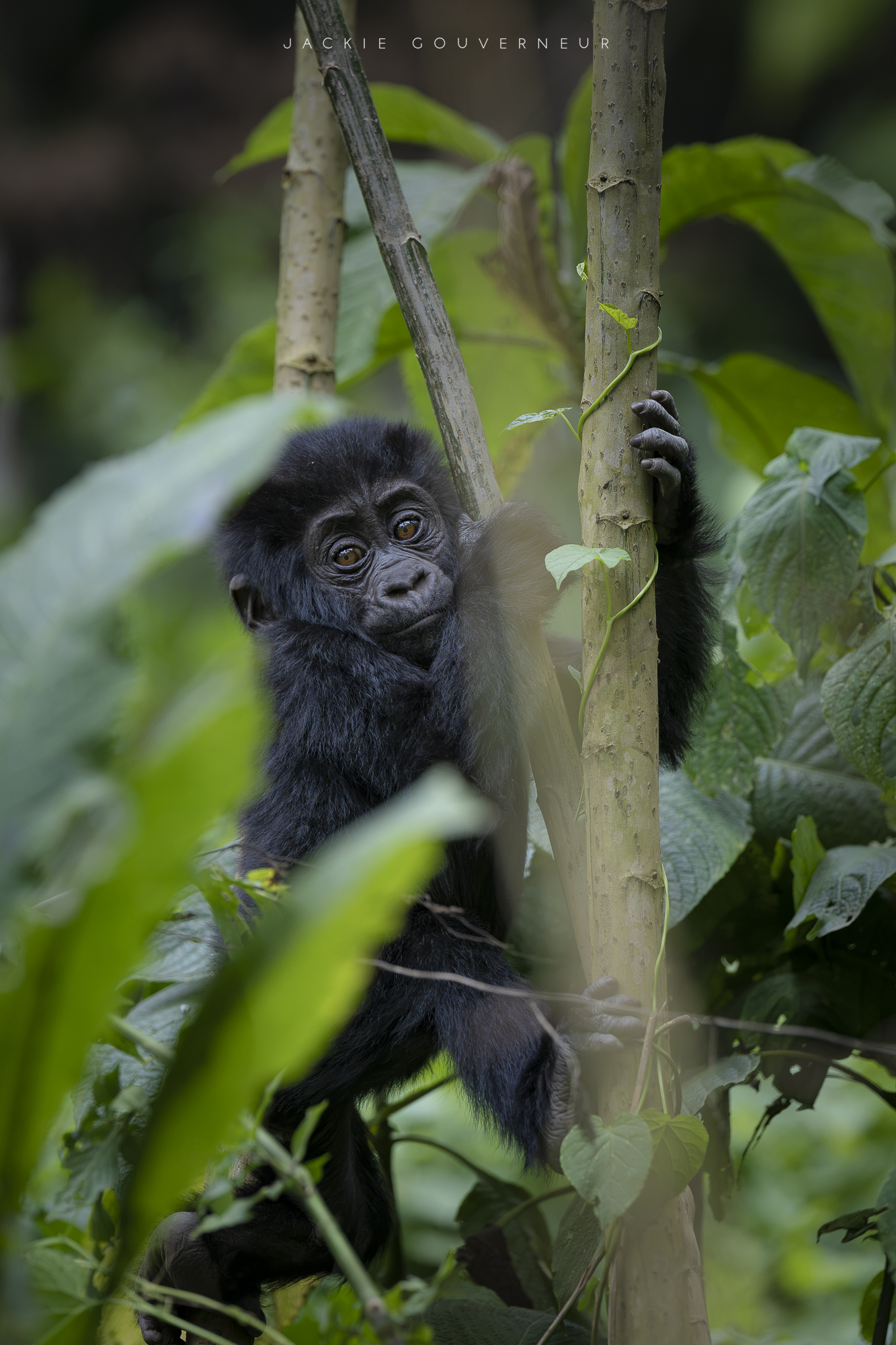
The following day brought a longer trek to the Tindatine group - which we thoroughly enjoyed, with incredible scenery and yet another energetic youngster providing some unforgettable moments. The highlight was the baby climbing up tall but flimsy vegetation and as he got to the top, the plant would flop over with the weight – with the baby holding on! So cute and funny. What a way to end the trip! Some trekking experiences are about the big silverbacks - but these two were about the babies for sure. Nobody was unhappy about that!
Overall, we travelled across a large part of Uganda and returned home with an incredible collection of photographs and memories. Too many to mention in this short post. The shoebills, chimpanzees and gorillas were the main reason for the journey, but it was the unexpected moments — the fishing, the challenging treks, the spectacular landscapes and the sheer fun of being out in the wild every day with a great group of people — that made this such a special adventure. Uganda truly delivered far more than we could have hoped for.
A special mention goes out to our local driver guide - Bentique - who over the trip became a great friend. Bentique's enthusiasm, positivity, knowledge and humour was so much appreciated throughout the trip. We look forward to the next one.
A few tips if you're heading to Uganda:
What You Actually Need for the Trekking & Photography
One thing that’s easy to underestimate when planning a Uganda wildlife and primate expedition is just how much trekking is involved — particularly on the Bwindi side.
For the treks
Sturdy hiking boots are essential. I strongly recommend a good pair with proper ankle support. The terrain can be steep and uneven, and conditions can be slippery, so this is not the place for lightweight trainers.
Gaiters are also a very good idea. They help keep mud and vegetation out of your boots and, perhaps more importantly, provide some protection from things you encounter along the trail — including fire ants and stinging nettles. Some people choose to wear lightweight gloves for the nettles, although we personally didn't find them necessary.
Sun protection and the right clothing is important. There are sections of the trek where you're walking without much tree cover, so bring a good sunscreen and a hat. Wear long sleeve shirts and stretchy hiking pants – this will protect you and be most comfortable when climbing over logs and bushes.
And don't underestimate how much water you'll need. We initially took just one small bottle, assuming it would be enough, but some of the treks turned out to be considerably longer than expected. I'd recommend carrying at least 1.5 litres of water per person, and potentially more depending on the conditions and length of the trek. A small snack or energy bar is also worth having with you if you tend to need something along the way. Ask your guide tracker how long they reckon the trek will take, they often have a good idea of this – and take enough water for your needs.
Fitness matters
You don't need to be an athlete, but you do need a reasonable level of fitness. The Bwindi terrain is steeper in places, and the combination of hills, uneven ground and a longer-than-expected trek can be demanding.
If you're not used to hiking, it's worth doing some training before your trip. Regular walking, hill walking and some general cardio and strength work will make a significant difference to how much you enjoy the experience.
And definitely make use of the local porters. They are incredibly helpful, particularly on the steeper sections, and employing a porter also provides a direct benefit to the local community. It's a win-win: you get some much-needed assistance on the trail while supporting people who live in the area. Some only get to work once a month, so your support is vital.
Camera Equipment
For photography in Uganda (as with most trips), we found that having a range of focal lengths was the most useful approach. You don't necessarily need every lens in your bag, but having the flexibility to go from wide angle to telephoto makes a big difference.
A long telephoto lens like a 400mm - 600mm is particularly useful earlier in the trip when photographing species such as the shoebills, as well as for wildlife that remains further away around Murchison and again along the Kazinga channel. Take a converter if you have one. Flashes are not allowed around the primates, so no need to pack one.
A 70–200mm is an extremely versatile option and can be useful throughout the trip for all of the species. This will probably be your most used lens.
For the chimpanzees and gorillas, don't overlook your wide-angle lens. Being able to photograph these animals in their environment can produce much more immersive images than relying solely on a longer lens.
If you have a fast portrait lens such as an 85mmf/1.2, it can be fantastic in the low-light conditions you encounter in the forest. The wide aperture allows you to work with limited light while also creating a beautiful shallow depth of field. This can be particularly effective with the often-busy forest backgrounds, helping to isolate your subject and create a cleaner, more intimate image.
And don't forget a good pair of binoculars.Uganda is an exceptional birding destination, and you'll spend plenty of time scanning the rivers and surrounding vegetation for birds. Even if photography is your primary focus, binoculars will add enormously to the experience. Seeing your first Ross’s Turaco or Black-&-White Casqued Hornbill is worth taking them along.
Finally, take some cash with you.
There are opportunities throughout the trip to support local communities by buying small handmade crafts, curios and other locally made items. These purchases may seem small, but they are a lovely way of contributing directly to the communities you're visiting — and you get to take home something meaningful from the journey.
The most important thing, though, is to come prepared for an adventure. The trekking can be challenging, the forest conditions unpredictable and the days sometimes longer than anticipated — but that's also part of what makes a Uganda primate and wildlife expedition so rewarding.
Check out our Instagram Uganda highlight for some more behind the scenes footage!
Gorilla Trekking in Rwanda


