A wildlife adventure in the Volcanoes National Park
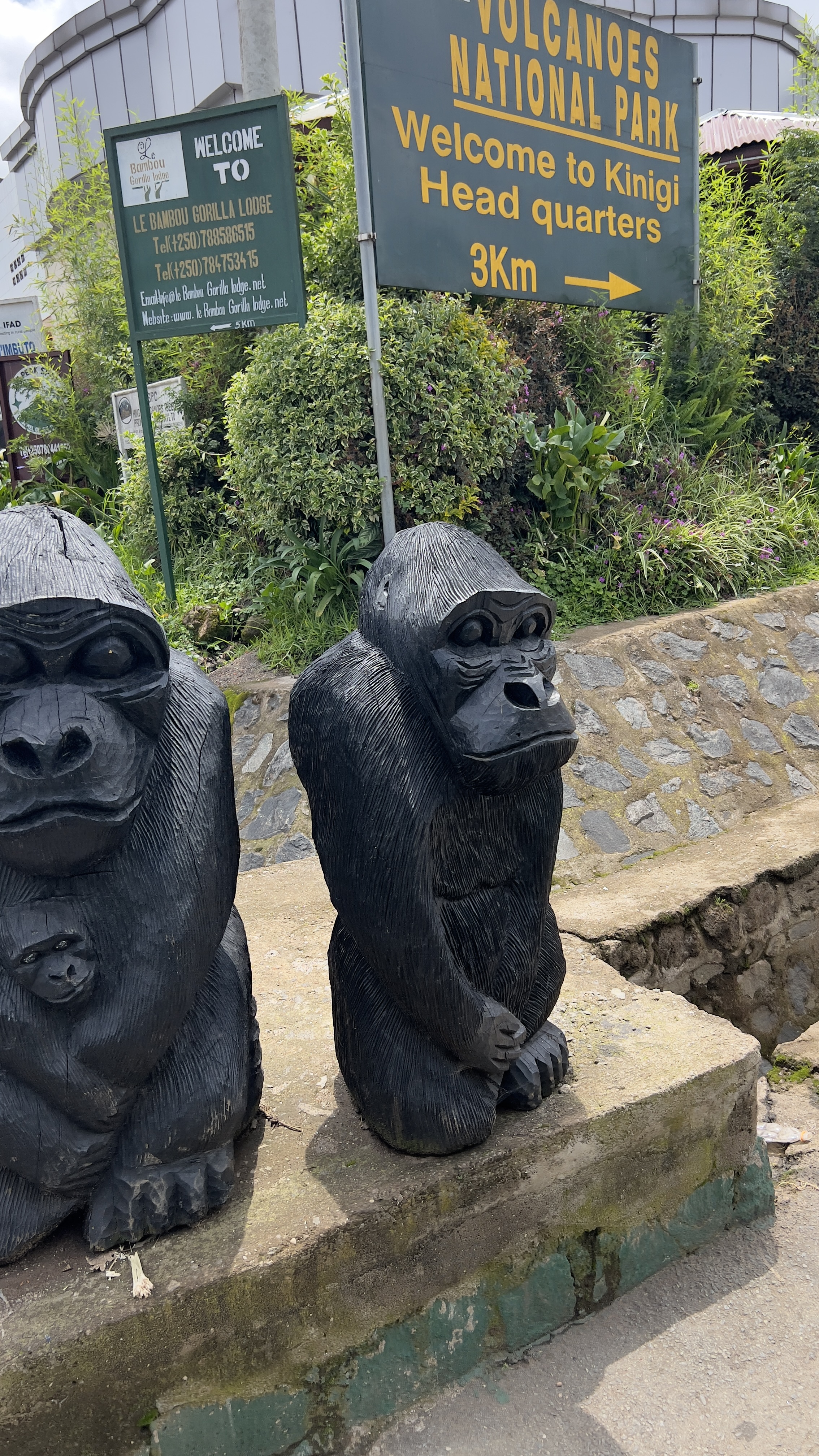
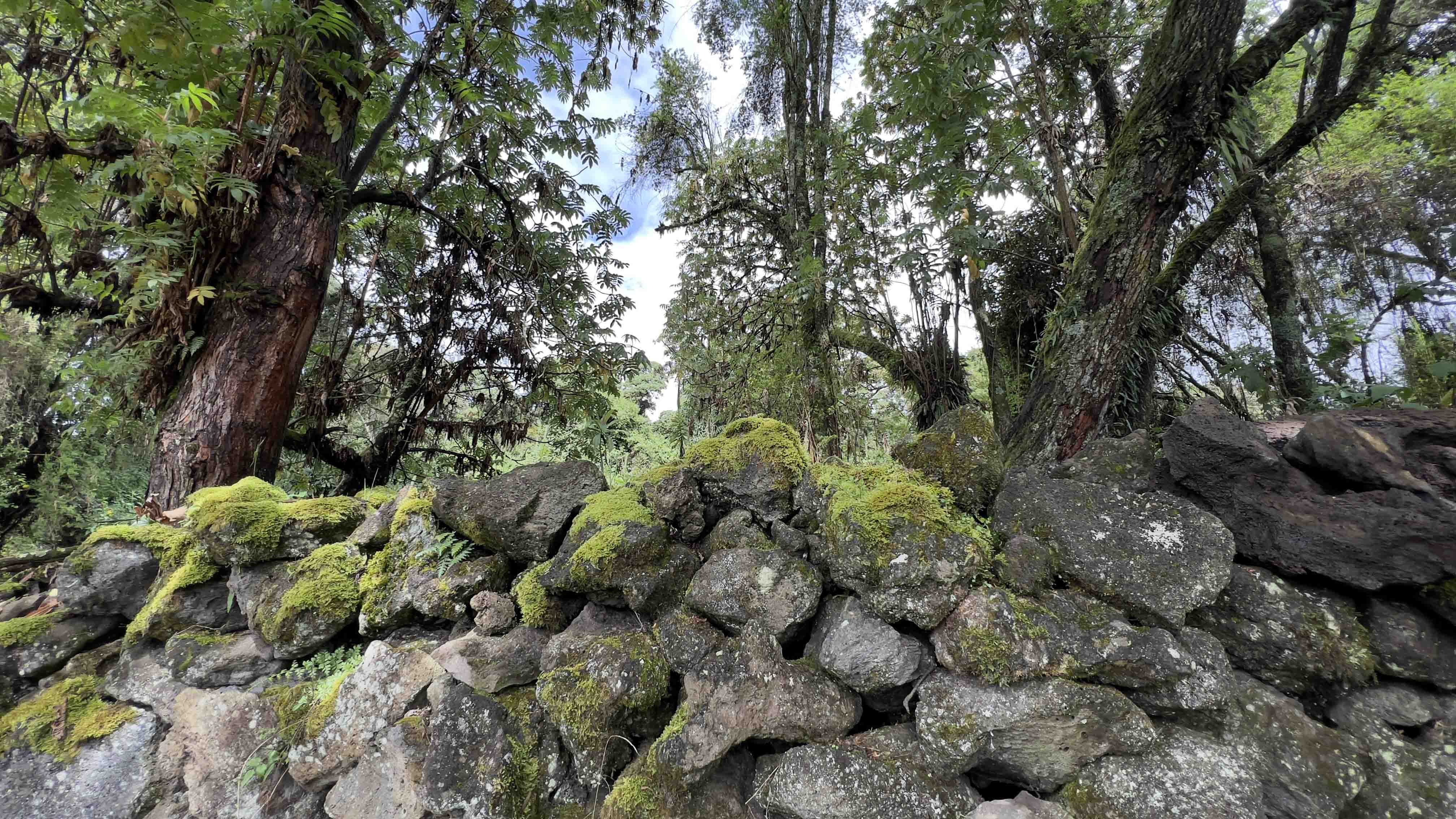
Volcanoes National Park covers 160 km² of pristine rainforest and encompasses five of the eight volcanoes in the Virunga Mountains—Karisimbi, Bisoke, Muhabura, Gahinga and Sabyinyo. It borders Virunga National Park in the Democratic Republic of Congo and Mgahinga Gorilla National Park in Uganda, making it one of Africa's most iconic wildlife destinations.
My first Tusk Photo safari to Rwanda was something I had been looking forward to for a long time, and the country exceeded every expectation I had. Although I'd heard wonderful things about Rwanda over the years, experiencing it firsthand was something entirely different.
Despite its difficult history, Rwanda is an incredibly inspiring country. Everywhere we travelled, I was struck by the warmth of the people, their optimism and the pride they have in their nation.Every person we met made us feel genuinely welcome, and it was wonderful to be able to share that experience with our guests.
We travelled in early May, towards the end of the long rainy season. While Volcanoes National Park is open throughout the year, the peak season generally falls between June and September during the drier months. We were fortunate with the weather - apart from the occasional light shower while hiking, most of the rain fell overnight. The muddy trails certainly added to the adventure, but the cloud cover provided beautifully soft, even light that photographers dream of, while also keeping the temperatures comfortable during the trek.
One of the advantages of travelling during the quieter season was that our group managed to enjoy four gorilla treks during our five-night stay. With only 96 permits issued each day, divided among eight of the thirteen habituated gorilla families, securing permits can be difficult during peak season. Although golden monkey treks are also available, we decided to dedicate as much time as possible to photographing the mountain gorillas.
What to Expect on a Gorilla Trek
Each morning starts with an early departurefrom the lodge, arriving at park headquarters around 6:30 or 7:00 am.
The entire operation is exceptionally well organised. While everyone enjoys a coffee, the guides coordinate the day's logistics, including ranger assignments and which gorilla family each group will visit.

After a short briefing, the park rangers explain the history of your assigned gorilla family, what to expect during the encounter and how to behave around the gorillas. From there, it's a short drive to the trailhead where the adventure begins.
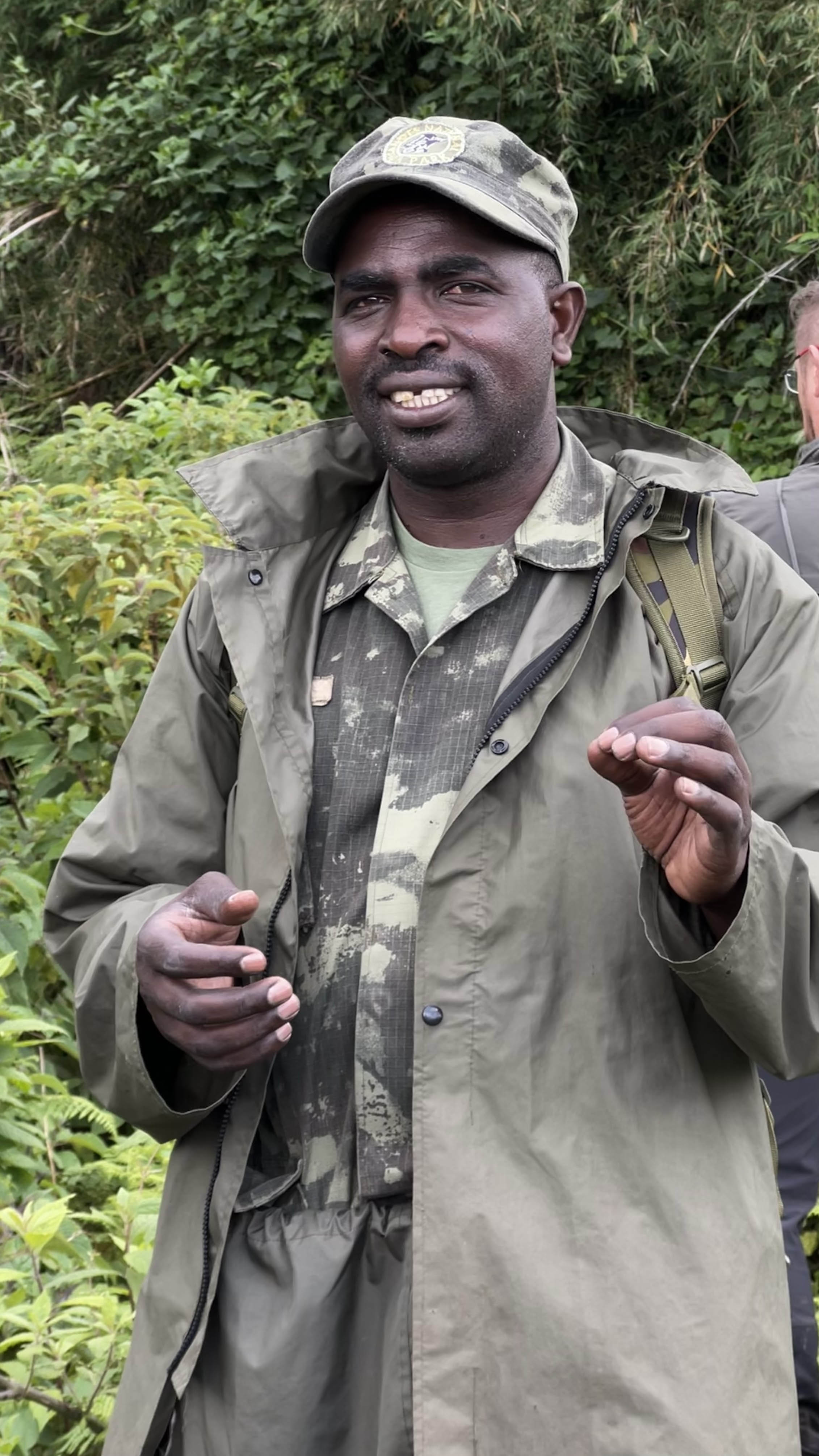
We were fortunate to spend much of our time with ranger Daniel Niyonsaba. His knowledge, enthusiasm and genuine passion for the gorillas added so much to the experience, and I thoroughly enjoyed spending time with him.
At the start of each trek, you're offered the opportunity to hire a local porter. Many of these men are former poachers who now earn a living assisting visitors. It's one of the best examples of conservation working hand in hand with local communities. Instead of relying on poaching, their livelihoods now depend on protecting the gorillas, creating a sustainable future for both people and wildlife.
As photographers, we had plenty of equipment, so I chose to hire a porter every day. It was one of the best decisions I made. Some sections of the forest were incredibly muddy, with every misplaced step threatening to swallow a boot. Having someone to help carry equipment and offer a steady hand through the difficult sections made the experience far more enjoyable. It also meant I could carry additional camera bodies, water and rain gear without worrying about the weight.
Before setting off, the rangers teach everyone the vocalisations used to reassure the gorillas—a gentle "we come in peace" sound that quickly becomes part of the experience.
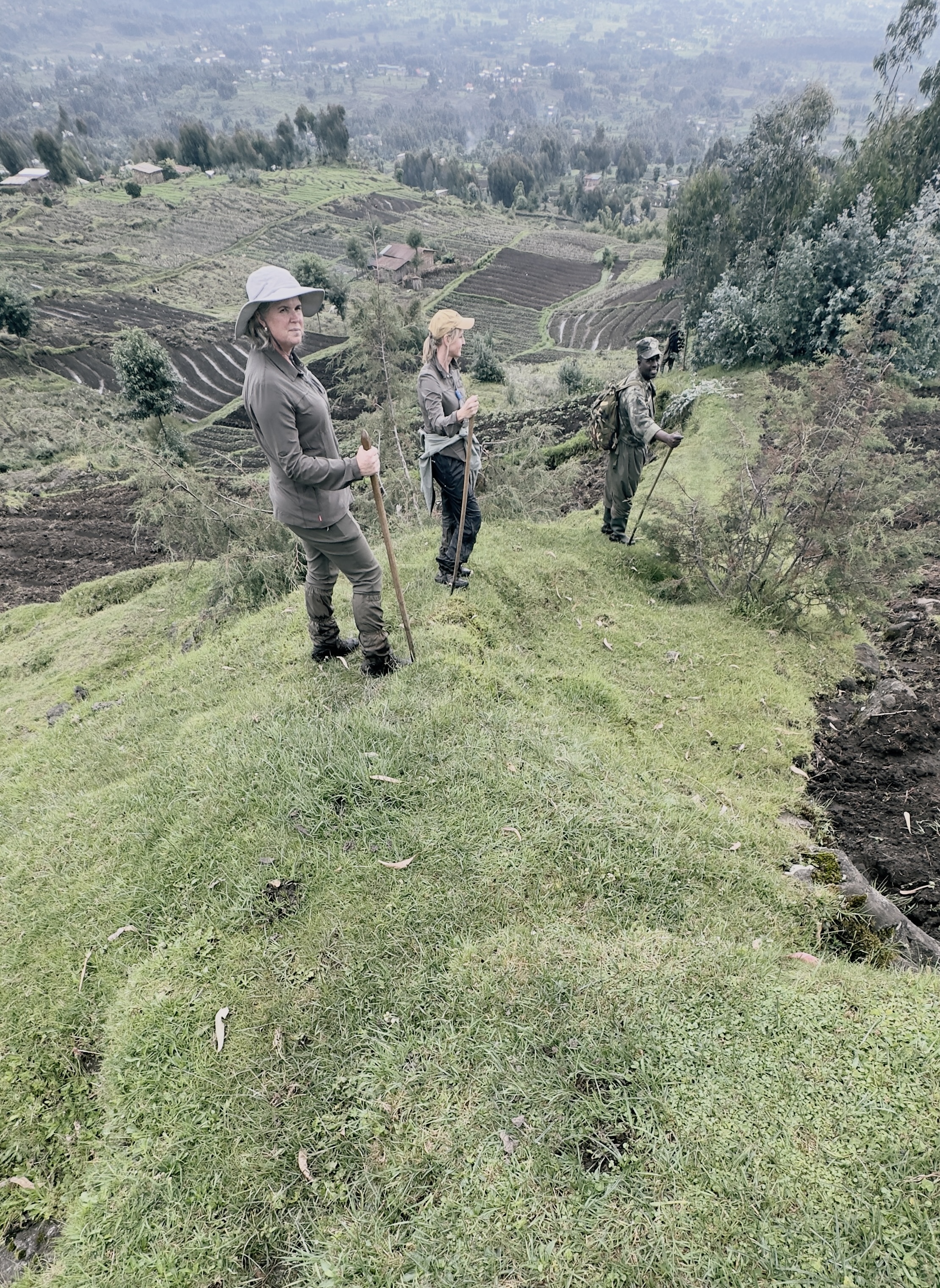
Treks generally range between three and five kilometres depending on where the gorilla family has moved overnight. While that doesn't sound particularly far, the terrain is steep, muddy and often slippery, so a trek can easily last four to five hours. Like any hike, the fitter you are, the more enjoyable it becomes.
Eventually, you meet the trackers who have been following the gorillas since dawn. At this point, you leave your backpack behind, take only the camera equipment you'll need and begin the final approach.
Meeting the Gorillas
Nothing could have prepared me for that first encounter.
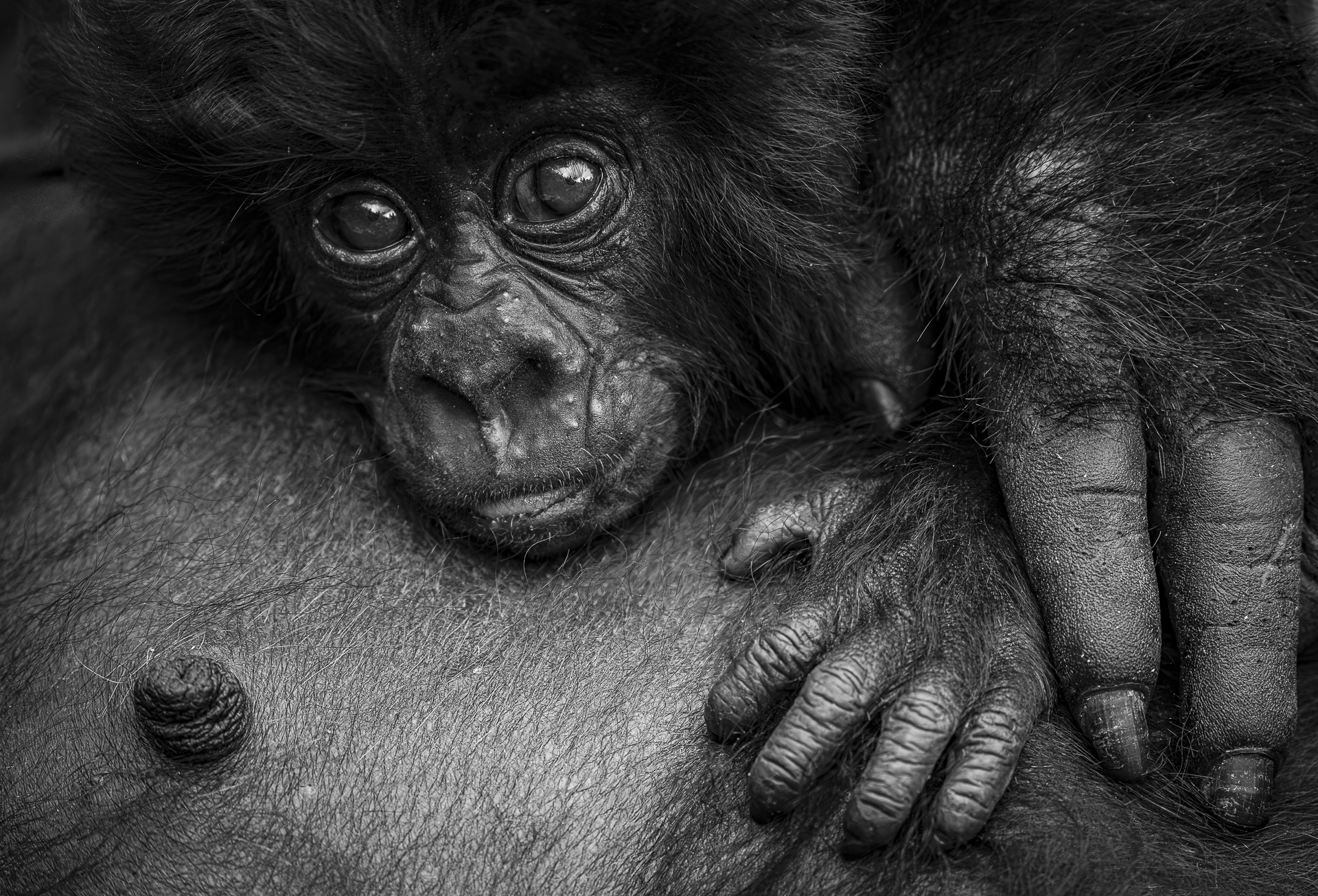
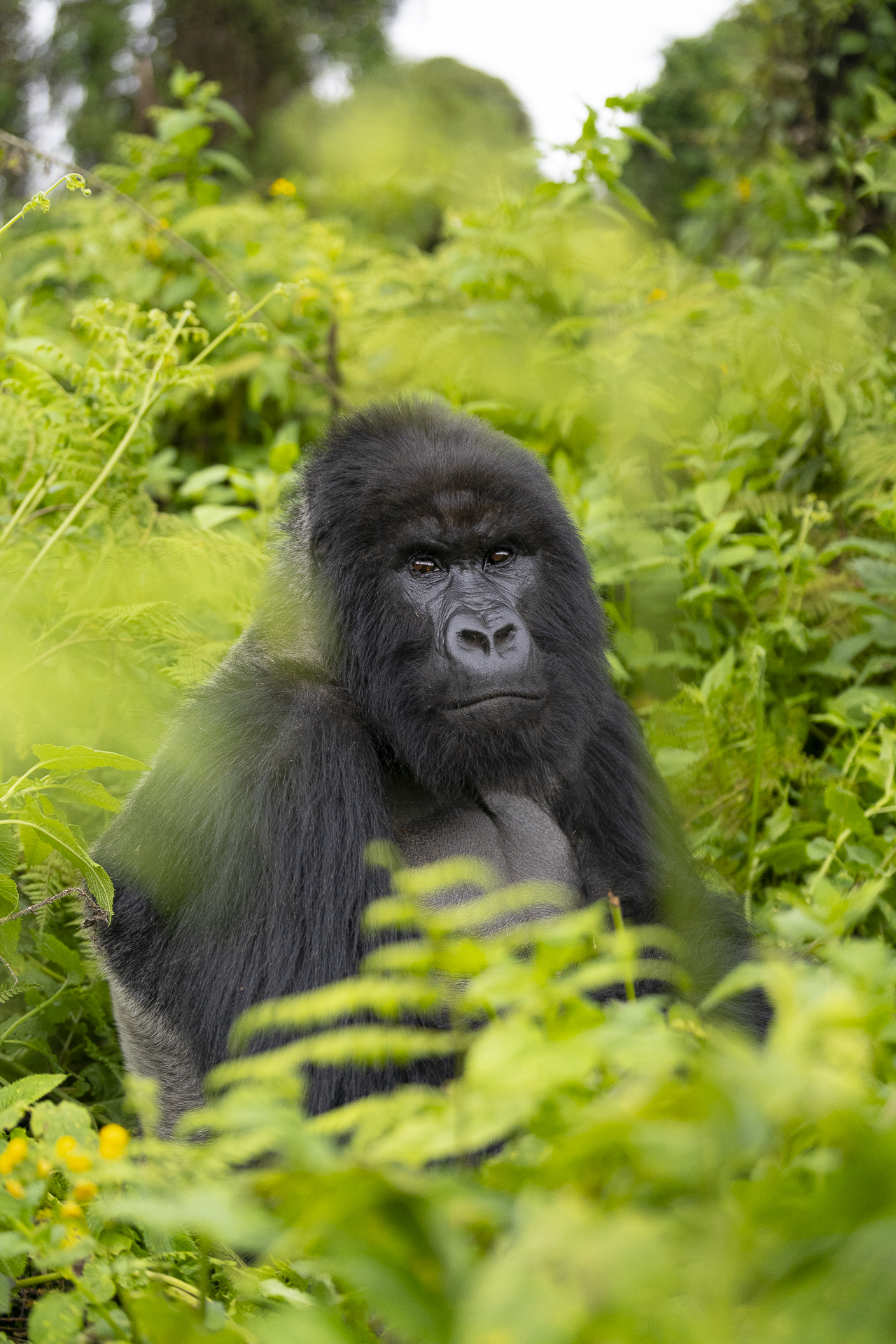
The moment I spotted my first mountain gorilla completely took my breath away. I'd heard countless people describe how emotional the experience could be, but standing just a few metres away from these incredible animals exceeded anything I had imagined.
During our stay we visited the Hirwa, Umubano, Kwitonda and Urwego families.
Each family had its own unique character. Some were led by multiple silverbacks, while others were full of curious youngsters. What surprised me most was how relaxed they were around us. There was never a feeling that we were intruding - simply sharing a moment in their world.
By the time we reached them each day, they had usually finished their first morning feed and were resting, grooming or playing together. This was fantastic for photography. Once they begin feeding again they move quickly through the forest, making it much more difficult to compose images.
It's impossible to adequately describe spending an hour with mountain gorillas. It's simply one of those experiences that has to be lived.
What I Recommend Packing
For anyone considering a gorilla trek, these are the items I found most useful:
Photography Equipment
For this trip I packed:
I found myself using my 70–200mm and 16–35mm far more than anything else. The gorillas are officially viewed from around seven metres away, but they often choose to come much closer, making wide-angle images surprisingly rewarding. I may choose to take a 85mm F1.2 next time for more intimate portraits in the dark forest.
The 400mm came out occasionally for tighter portraits, but most of my favourite images were captured with the shorter focal lengths that allowed me to include more of the gorillas' rainforest environment.
Final Thoughts
This trip combined everything I love about wildlife photography.
The physical challenge of hiking through pristine rainforest, the opportunity to spend time with incredible local people and, of course, those unforgettable moments with the mountain gorillas made it one of the most rewarding safaris I've ever enjoyed.
I've always believed that experiencing wildlife on foot creates a much deeper connection than viewing animals from a vehicle. You become part of the landscape, moving through the same environment as the animals rather than simply observing them from a distance.
Rwanda itself left a lasting impression on me. It is inspiring to see what the country has achieved through conservation, leadership and an incredible sense of national pride. As a South African, I couldn't help but admire the optimism and determination I saw everywhere we travelled.
On the drive from Kigali to Volcanoes National Park, we also visited the Kigali Genocide Memorial and the Ellen De Generes Campus of the Dian Fossey Gorilla Fund. Both are well worth visiting, providing valuable insight into Rwanda's history and the conservation journey that has helped protect the mountain gorillas.
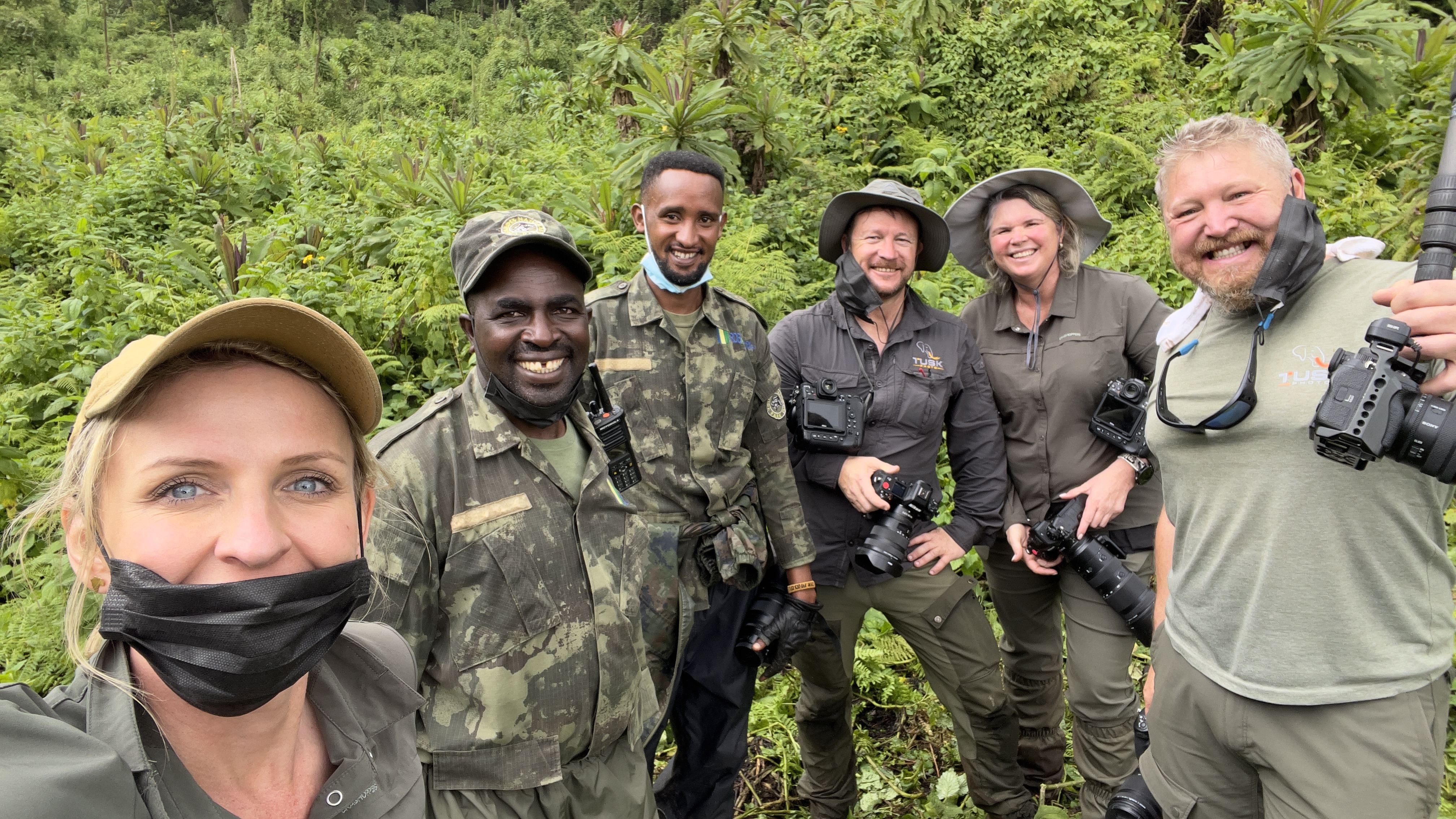
I'm incredibly grateful to everyone who helped make this safari such a success, especially our outstanding local guide, Sam Nayebare, whose knowledge and professionalism were second to none.
If you've ever dreamed of seeing mountain gorillas in the wild, I can't recommend this experience highly enough. Join Us next time - it's an experience that will touch your soul!