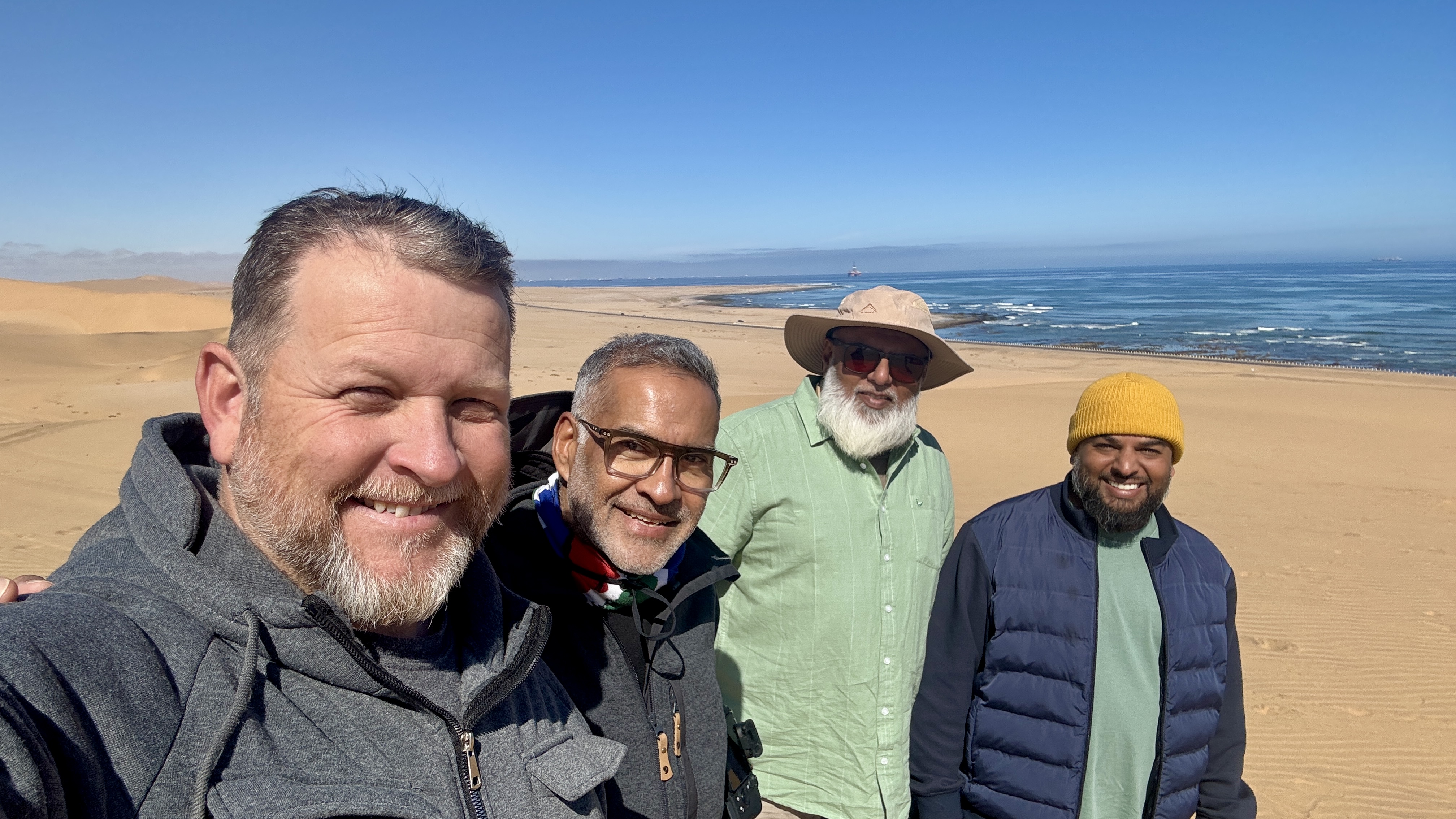
Our Namibia Landscapes & Wildlife Photo Tour was once again an incredible success. Over two unforgettable weeks, we explored one of the most diverse photographic destinations in Africa, capturing everything from dramatic desert landscapes and abandoned ghost towns to incredible wildlife and spectacular night skies.
What makes this tour so special is the sheer variety of images you take home. Looking back through your photographs afterwards, it's hard to believe they all came from a single journey. Every destination offers something completely different, making this one of the most rewarding photographic adventures we offer.
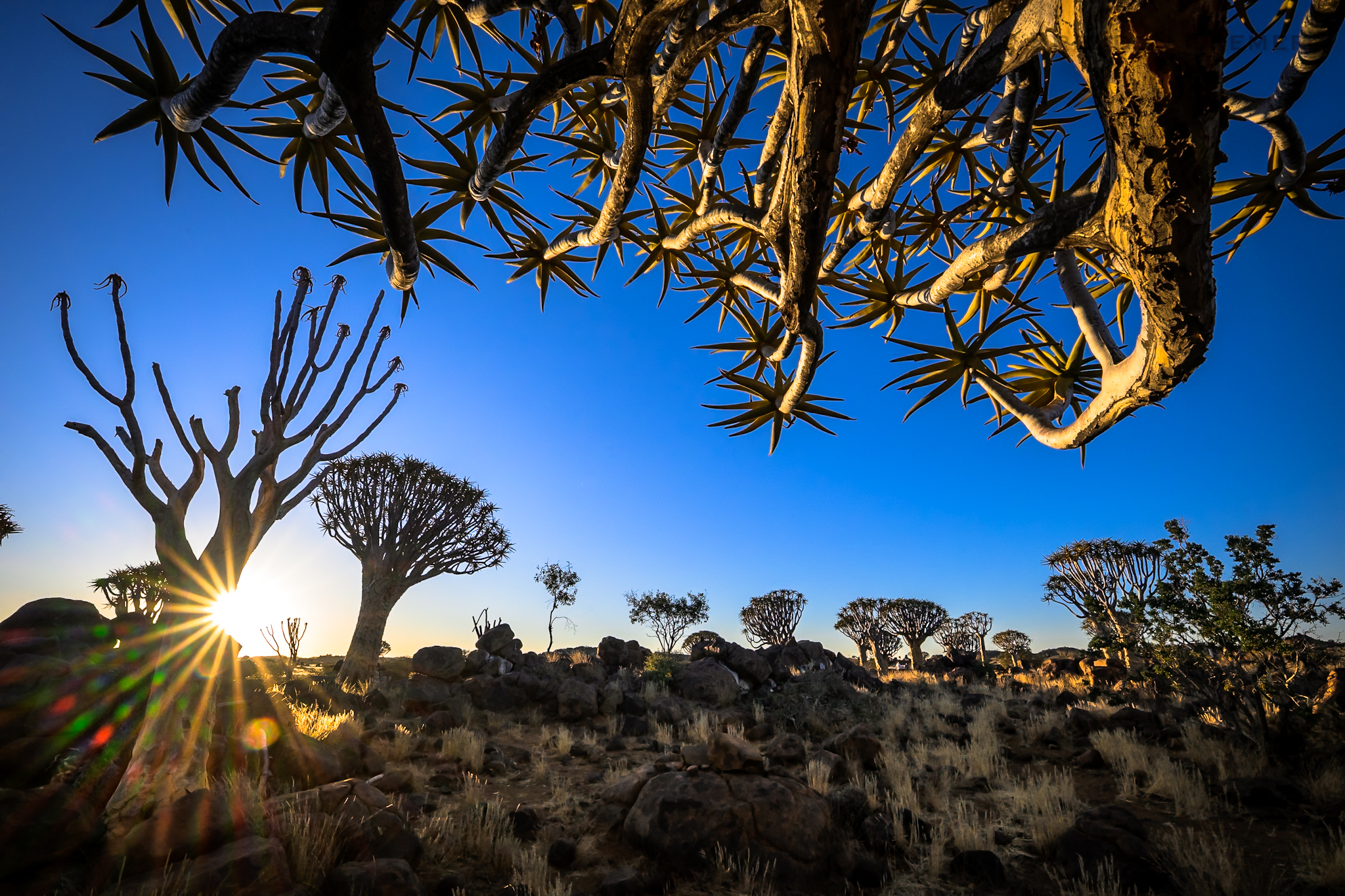
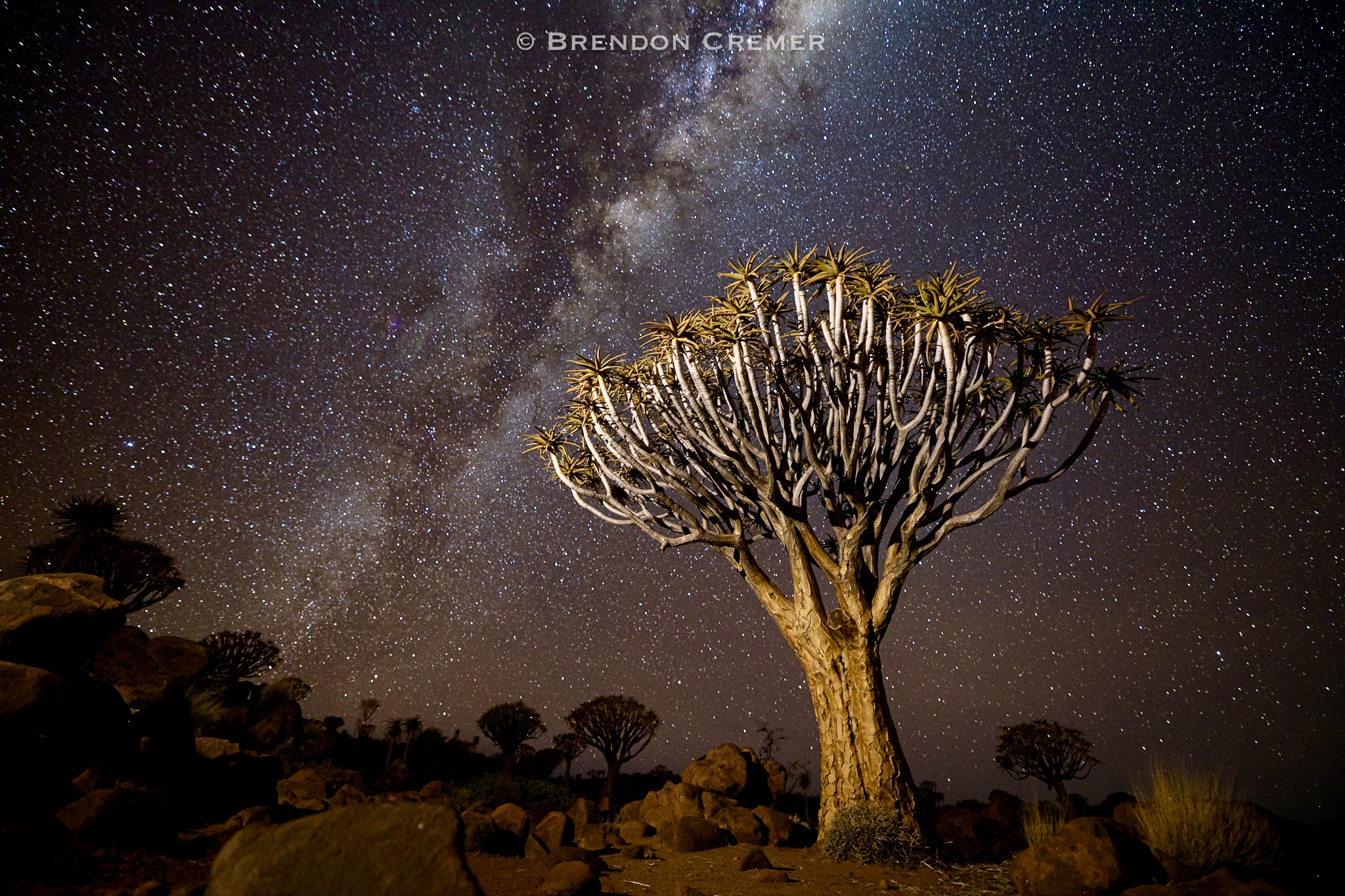
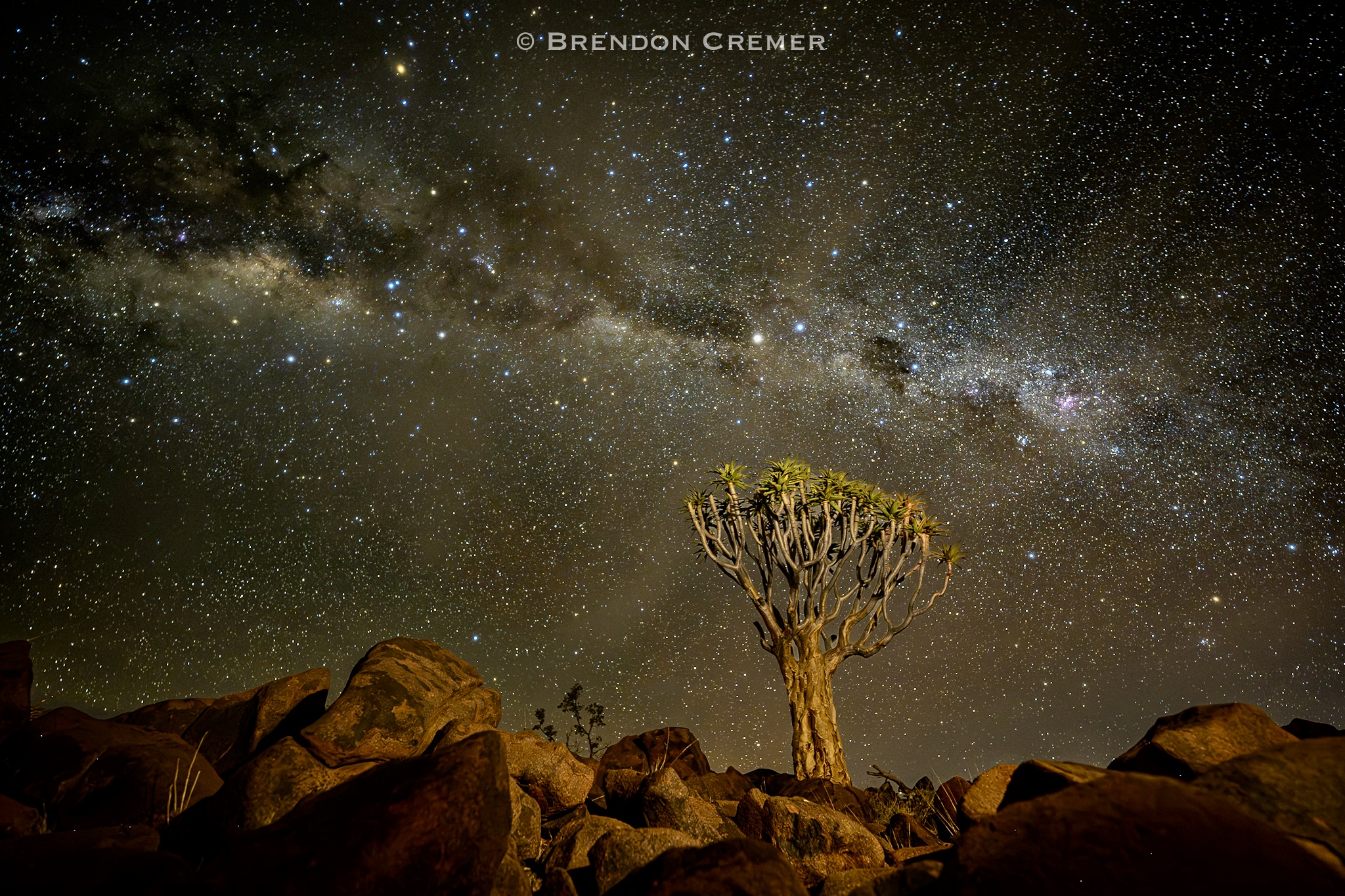
Our adventure began in southern Namibia near Keetmanshoop, where we photographed the remarkable Quiver Tree Forest. We enjoyed a beautiful sunset session, followed by a return after dinner for astrophotography and light painting beneath the stars.
The evening rewarded us with spectacular cloud formations that added drama to the sunset, while the changing conditions throughout the night created a variety of unique night sky images. The quiver trees are fascinating photographic subjects, and every visit offers something different.
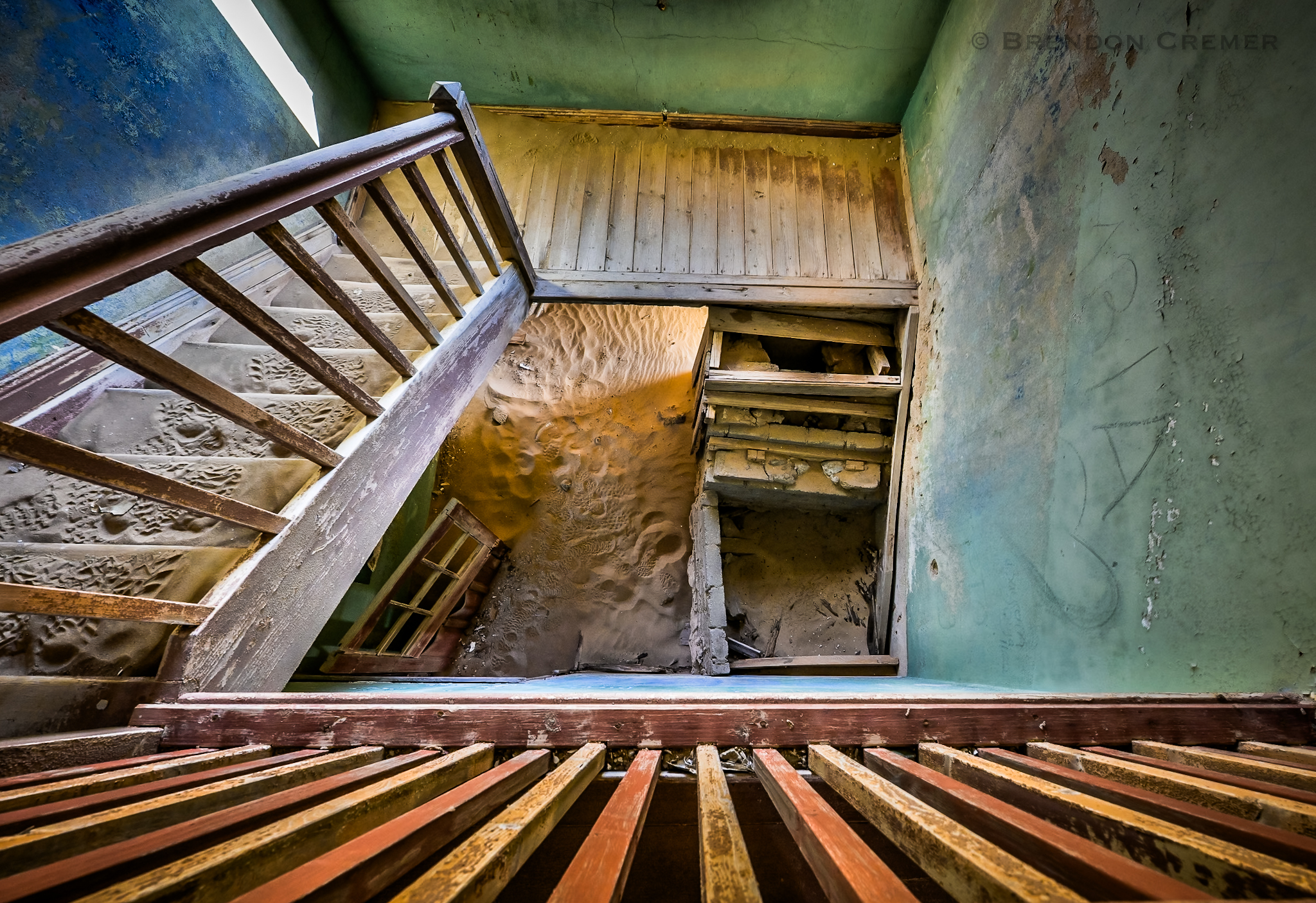
The following morning, we travelled to Lüderitz, where we spent two nights exploring the abandoned diamond mining town of Kolmanskop.
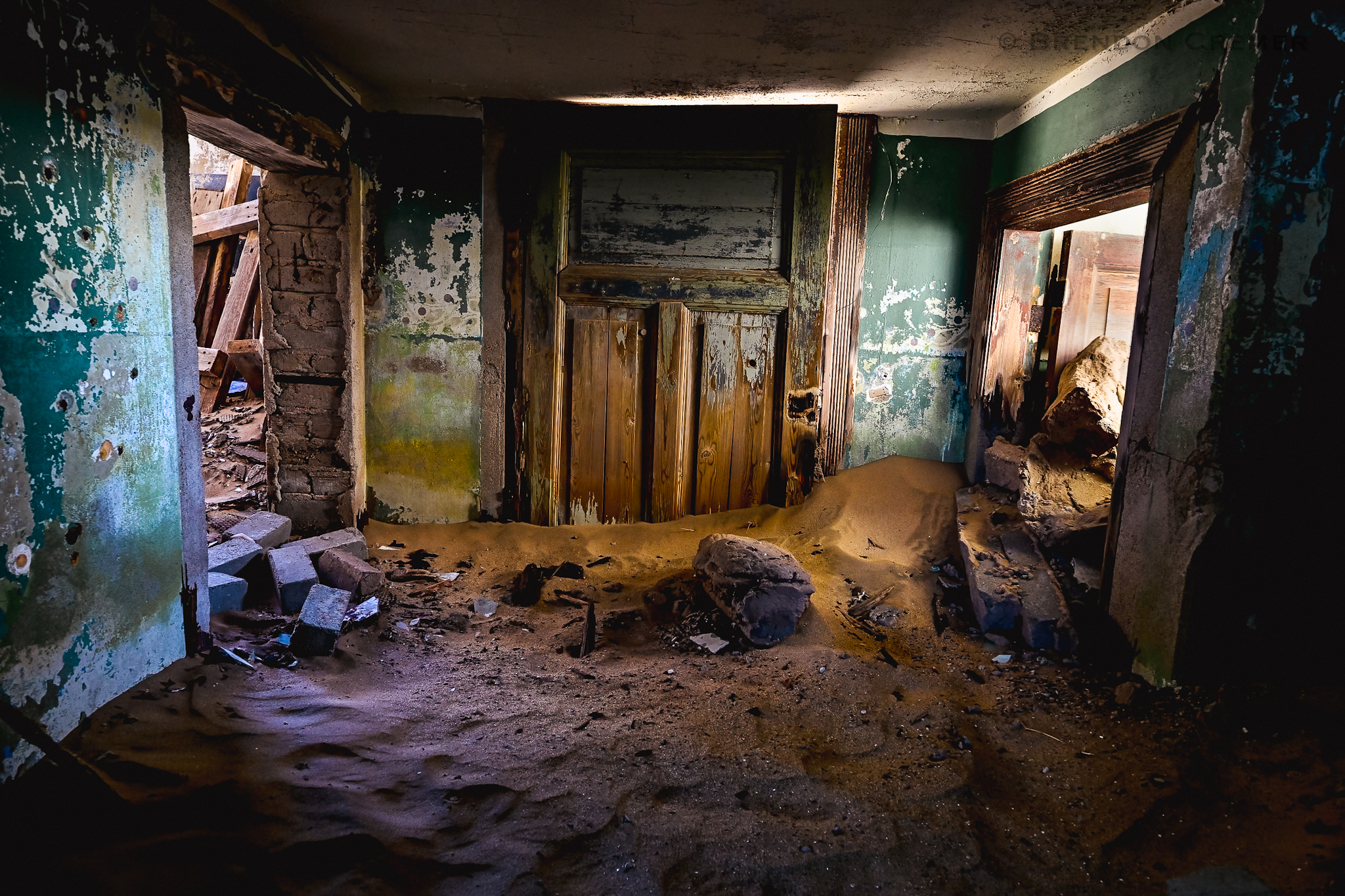
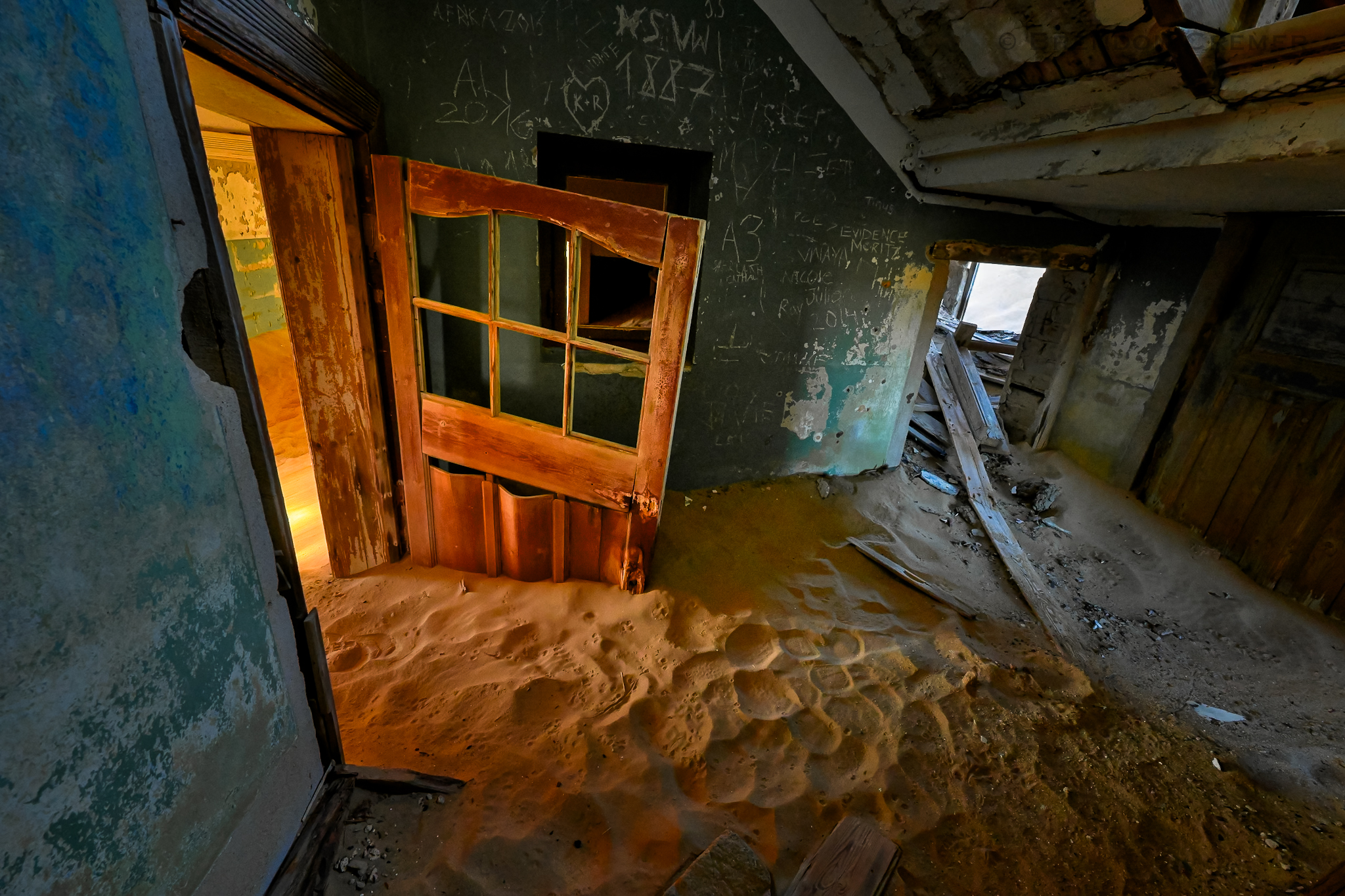
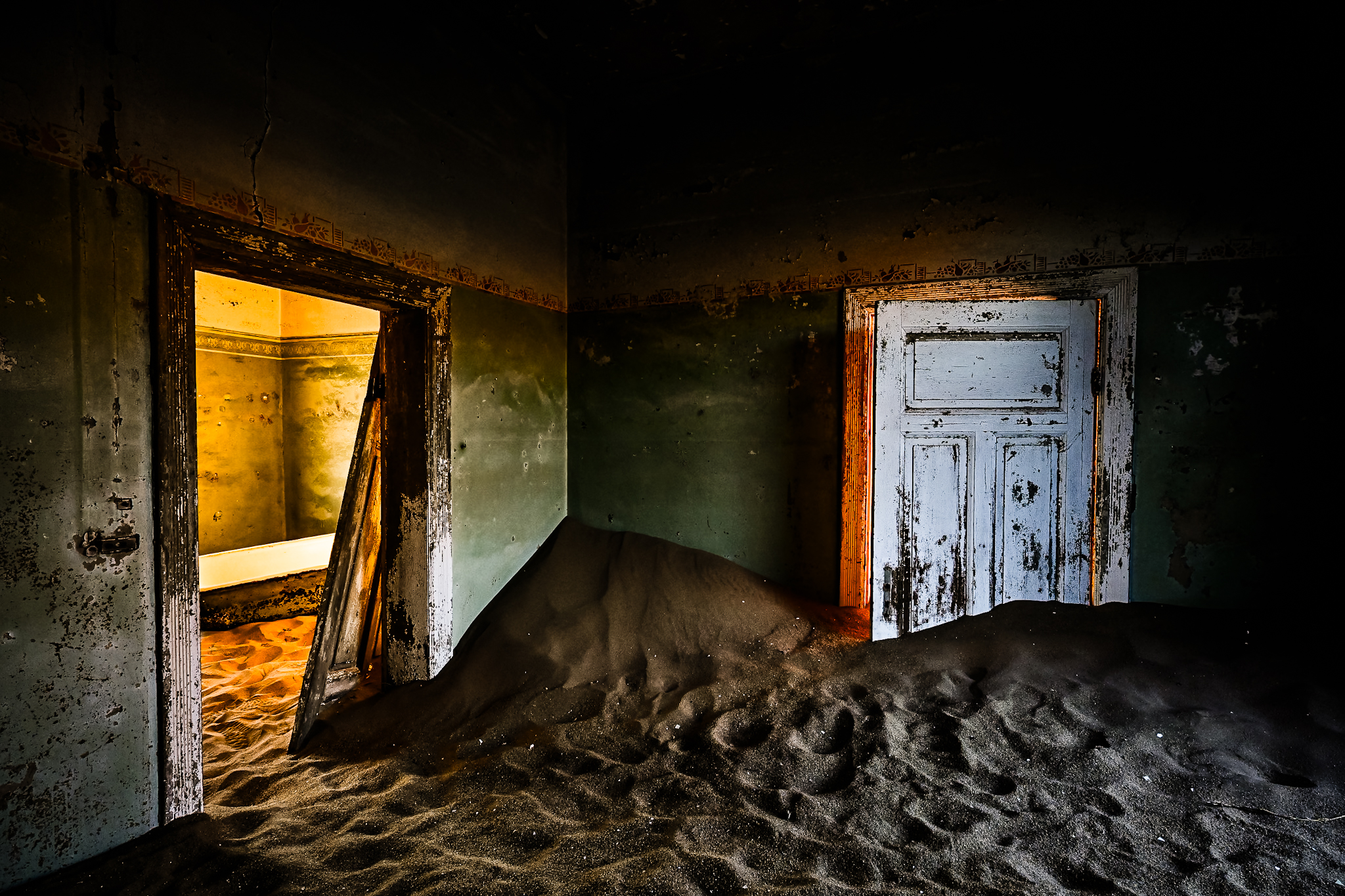
Kolmanskop has a fascinating history. Founded in 1908 after diamonds were discovered scattered across the desert sands, it quickly became one of the wealthiest towns in Africa. German settlers built elegant European-style homes, creating a thriving community in the middle of the desert. As the diamond deposits declined, the town was gradually abandoned, leaving nature to reclaim the buildings with drifting sand.
Today, it is one of the world's most captivating locations for photographers. Every room tells a different story, and the way the light pours through broken windows, doorways and roof openings changes dramatically throughout the day, creating a great variety of potential images.
We enjoyed two sessions here, one in the afternoon and another starting before sunrise the following morning. Having multiple sessions is invaluable, as different rooms come alive under different lighting conditions. No matter how many times we visit Kolmanskop, there always seems to be a new composition waiting to be discovered.
With strong winds preventing our planned afternoon shoot elsewhere, we spent our final afternoon in Lüderitz visiting Diaz Point. Besides offering spectacular ocean views, it is also home to an historical monument commemorating Bartolomeu Dias, the first European navigator to round the southern tip of Africa during the late 1400s—a remarkable achievement given the uncharted and often treacherous waters of the time, giving this costline the apt name of the skeleton cost.
Leaving Lüderitz, we made our way towards Sossusvlei, one of the most scenic drives in southern Namibia.
Our first stop was to photograph the famous wild horses of Aus, believed to be descendants of horses abandoned by the German cavalry during World War I. Today, around 300 horses roam freely through this harsh desert environment.
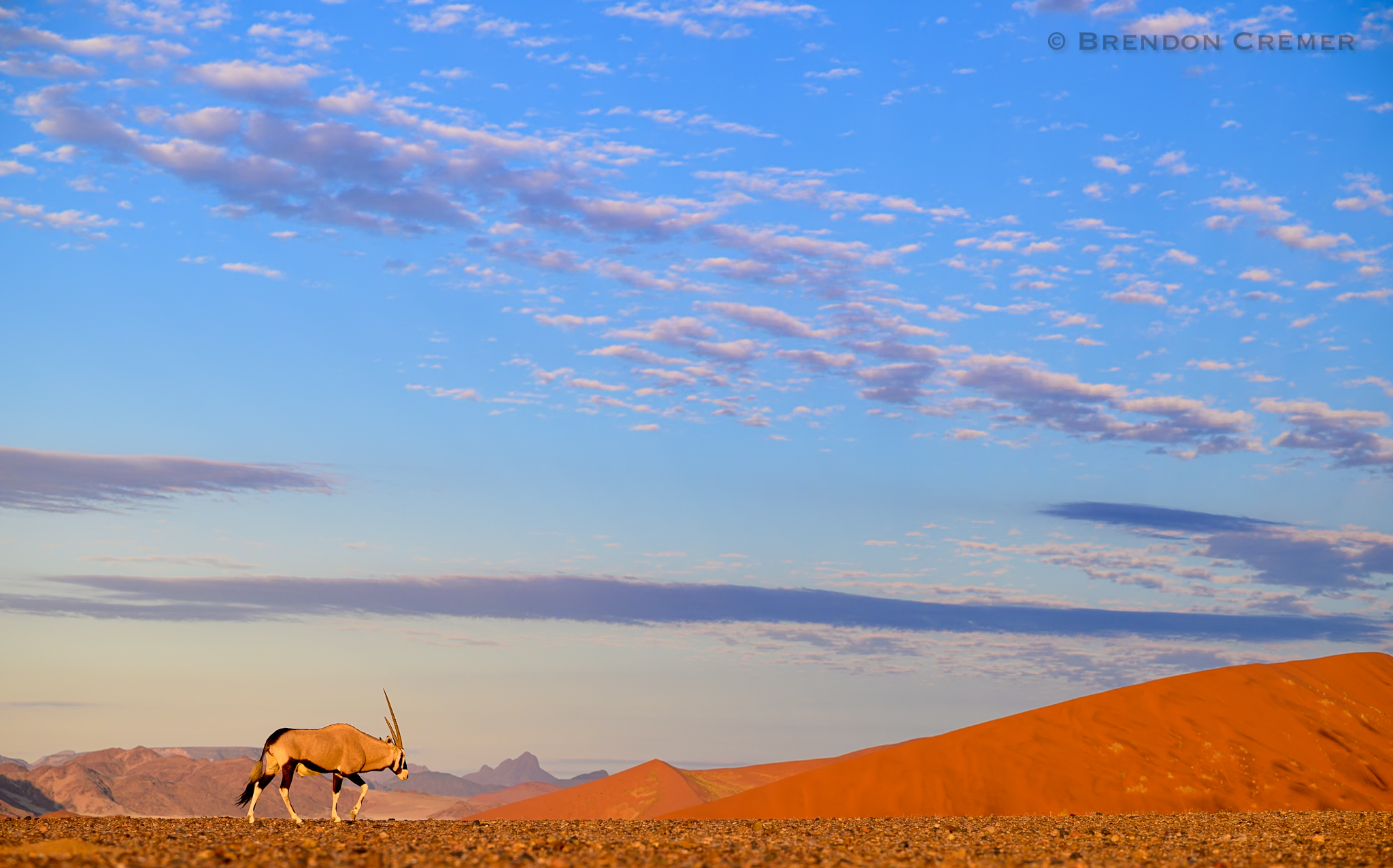
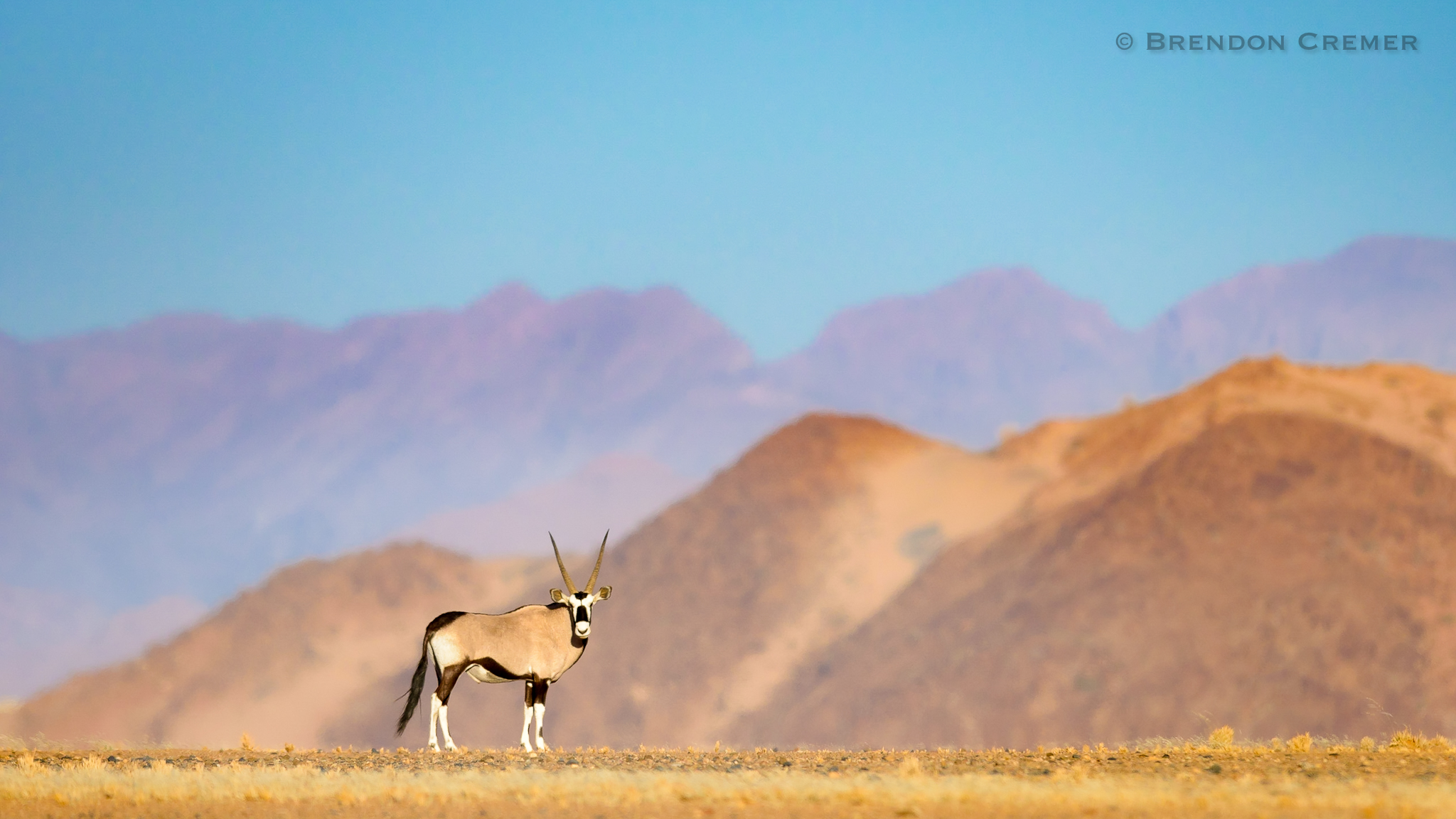
The drive itself is filled with photographic opportunities. Travelling along gravel roads through vast wilderness areas, we frequently stopped for wildlife including jackals, bat-eared foxes, Hartmann's mountain zebras and numerous oryx and springbok.
Our home for the next three nights was the outstanding Dead Valley Lodge, located inside the National Park. Staying inside the park gives us a huge advantage, allowing us access well before the gates open to day visitors and enabling us to remain later into the evening.
One of the highlights of the tour is always Dead Vlei.
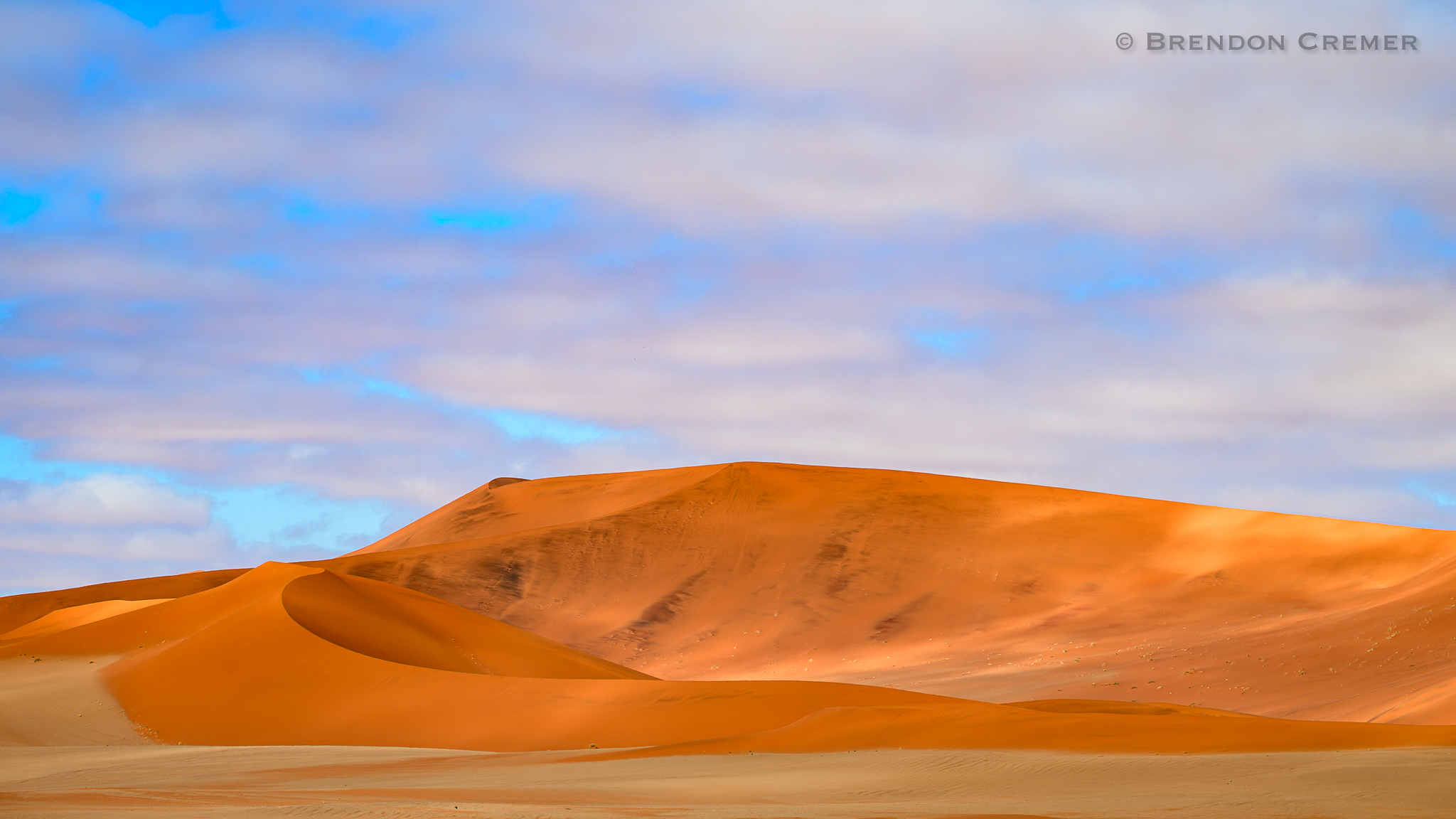
The contrast between the bright white clay pan, ancient black camel thorn trees and towering red dunes creates one of the world's most iconic landscape photography locations. Every visit presents new light, changing weather and endless creative possibilities.
One morning we also enjoyed an unforgettable helicopter flight at sunrise, photographing the sweeping red dunes from above. The aerial perspective reveals patterns and textures that simply can't be appreciated from the ground.
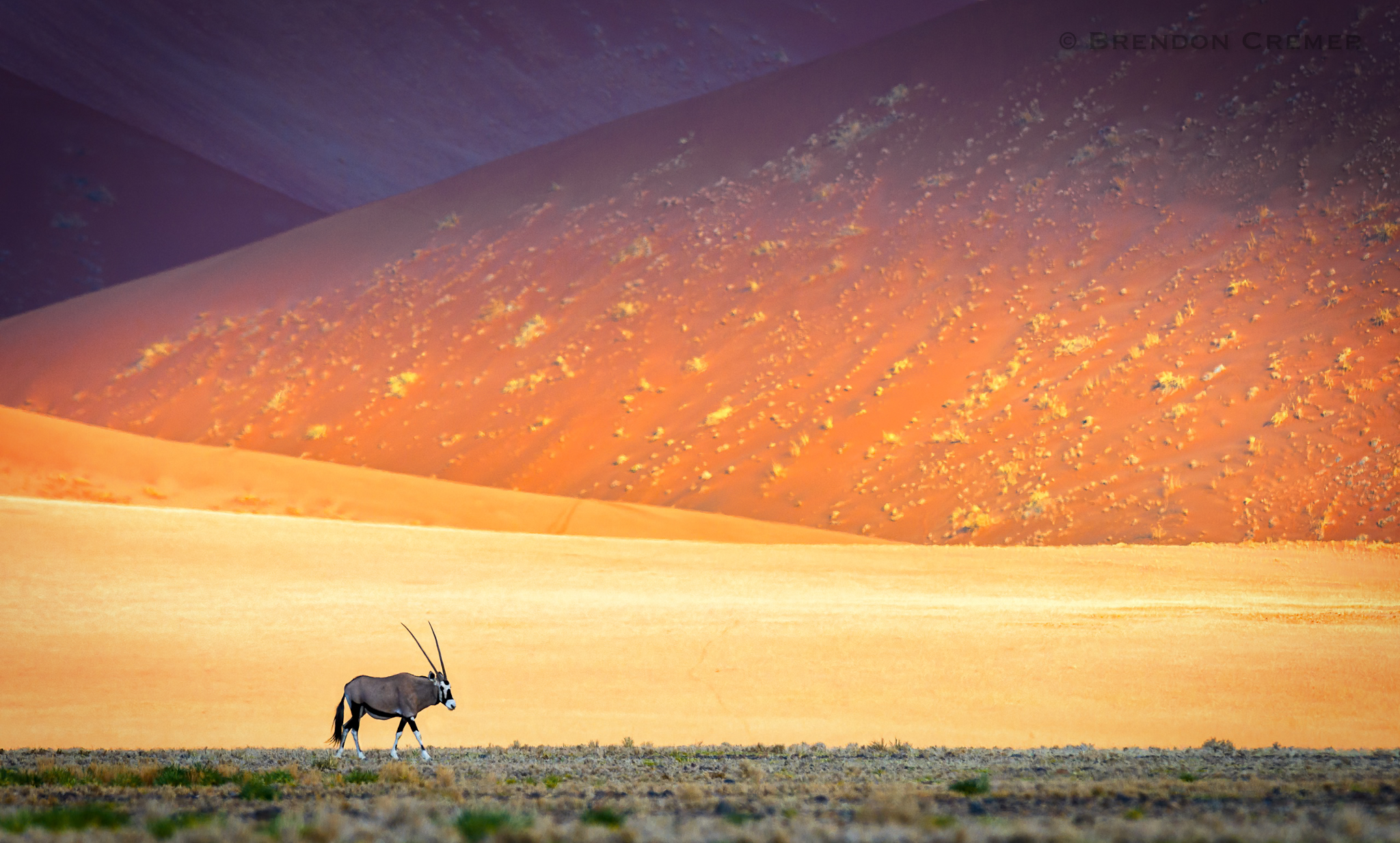
This year, Sossusvlei also surprised us with an abundance of wildlife. Following one of the wettest seasons Namibia has experienced in decades, the desert was alive with oryx, springbok, wildebeest and jackals. Photographing these animals against the vibrant red dunes created some truly memorable images.

After Sossusvlei, we travelled north to Swakopmund, where we spent the next three nights.
Many visitors underestimate just how much this region has to offer. Nestled between the Atlantic Ocean and the Namib Desert, Swakopmund provides an incredible mix of landscapes and wildlife.
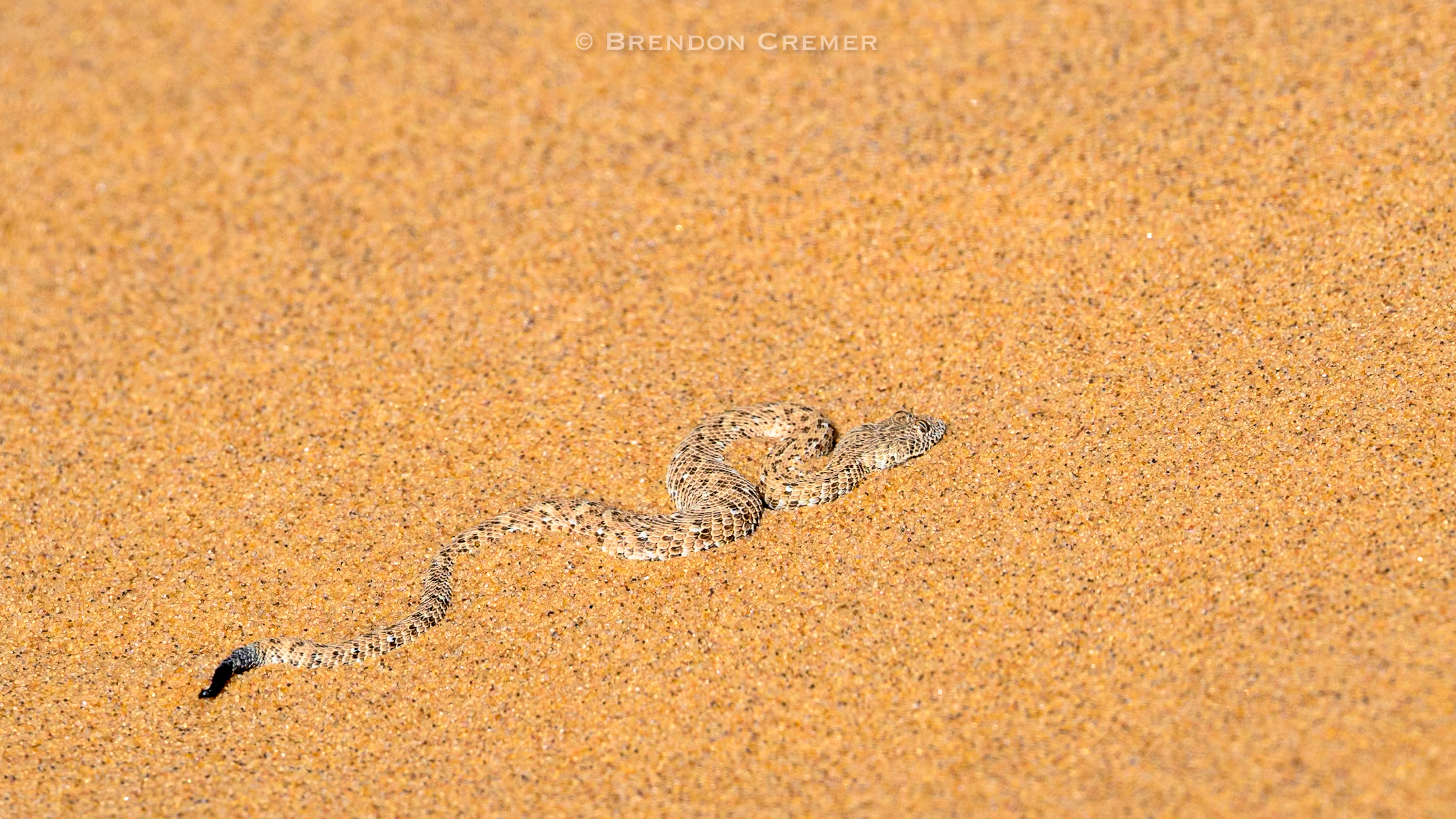
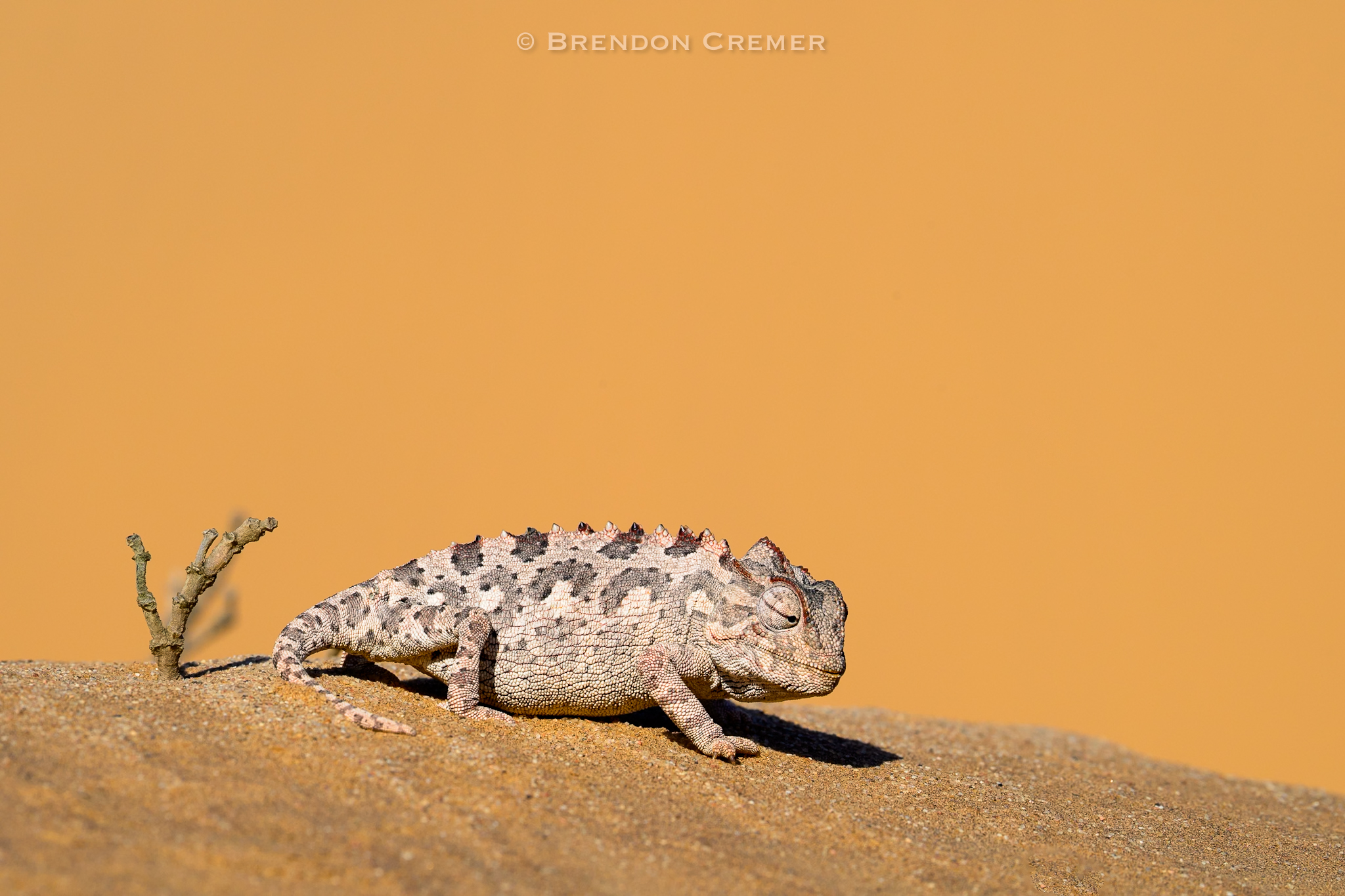
One of our highlights was the Living Desert Tour, where our expert local guide introduced us to the fascinating creatures hidden within the dunes. We photographed species including:
These perfectly adapted desert animals are incredibly well camouflaged, making every sighting feel like discovering hidden treasure.
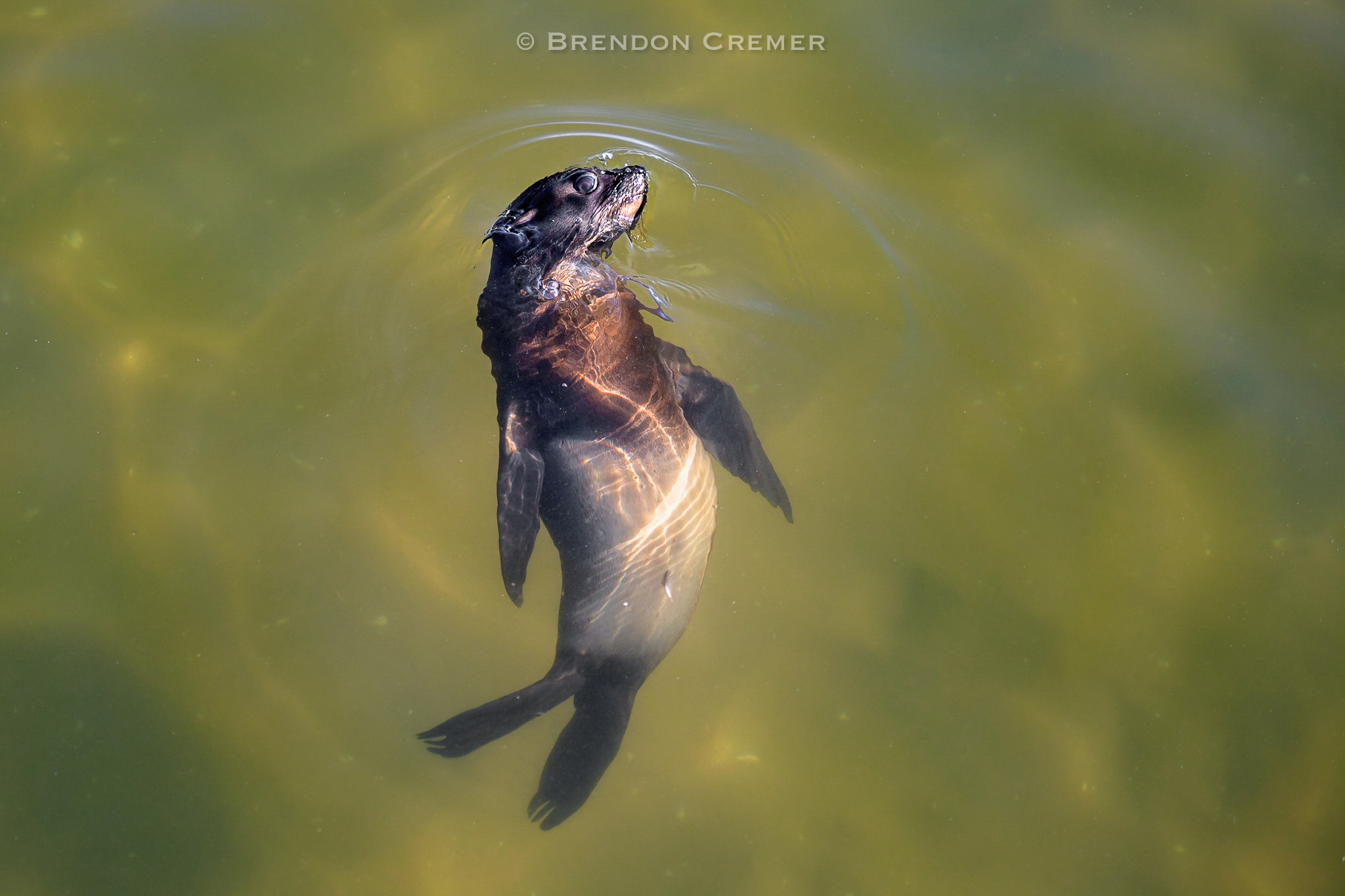
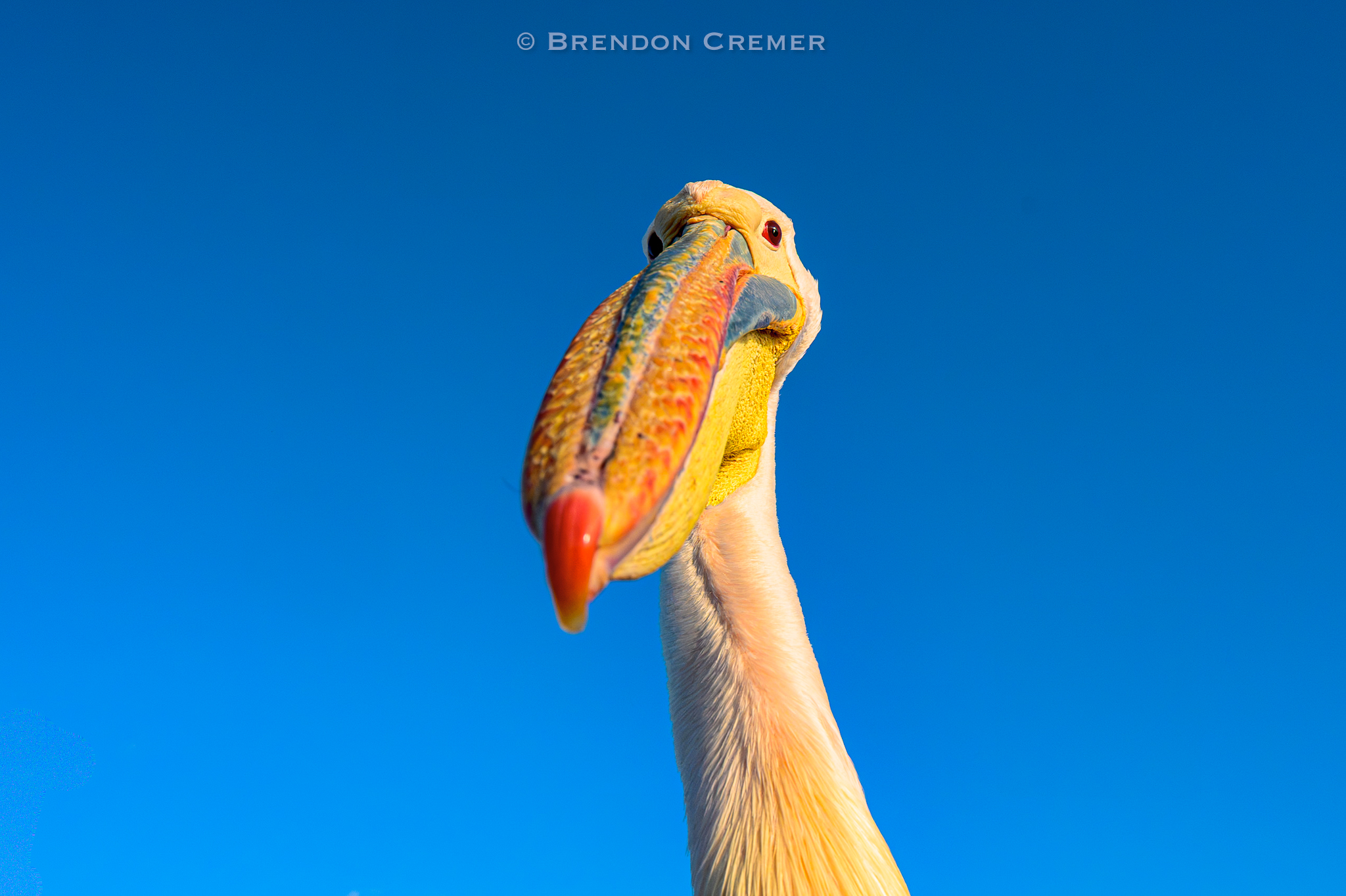
The following day, we headed out on a wildlife cruise from Walvis Bay. The morning exceeded our expectations with an incredible pod of Heaviside dolphins, a humpback whale, thousands of Cape fur seals and the ever-entertaining great white pelicans, which happily landed on the boat looking for an easy meal.
Our cruise ended with a delicious brunch on Pelican Point before returning to the harbour.
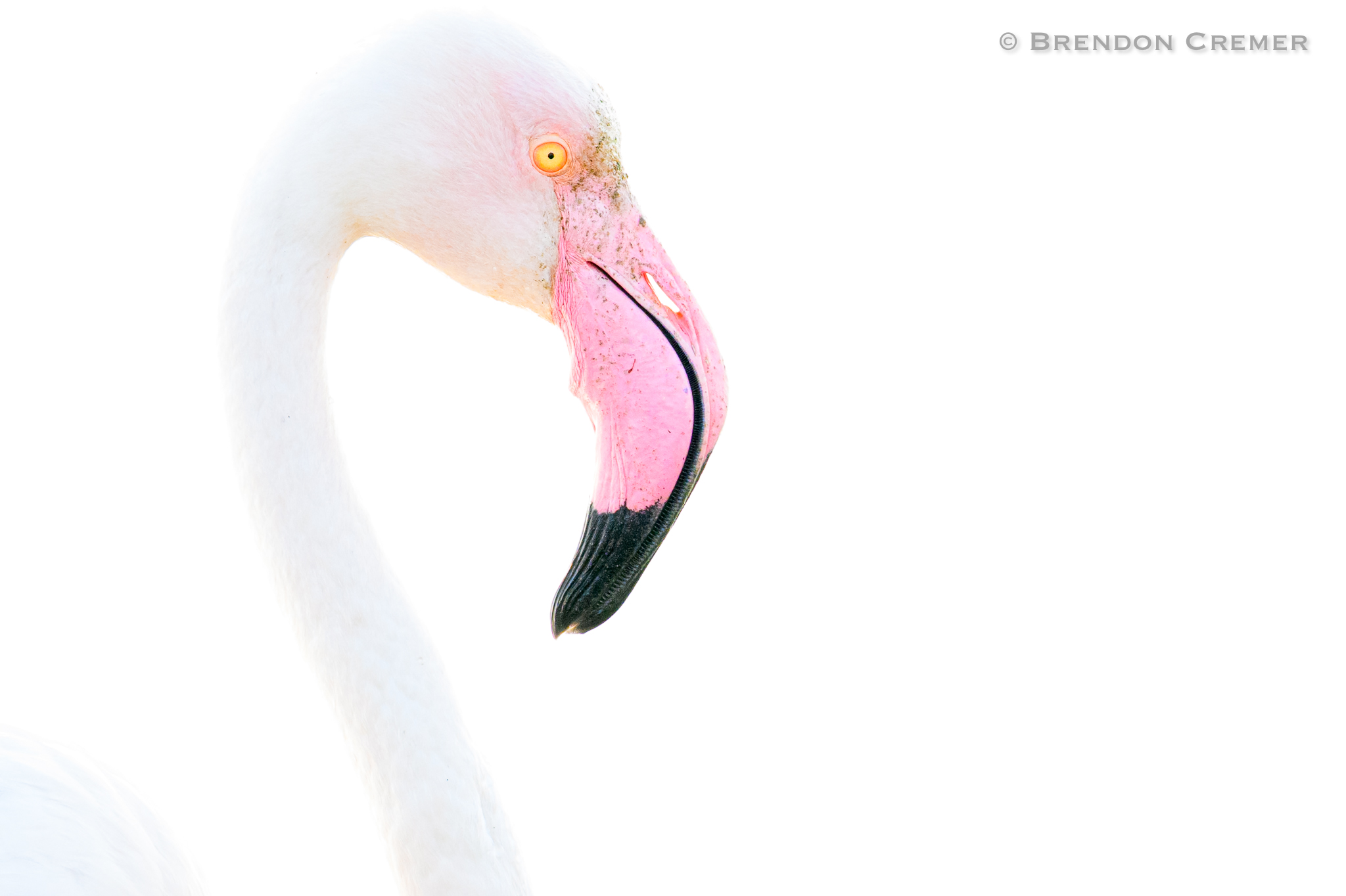
No visit to Walvis Bay would be complete without stopping at the nearby salt works, home to one of Southern Africa's largest breeding populations of greater and lesser flamingos, along with numerous other shorebird species.
Our final destination was Etosha National Park, where we spent four unforgettable nights based at Okaukuejo Camp.
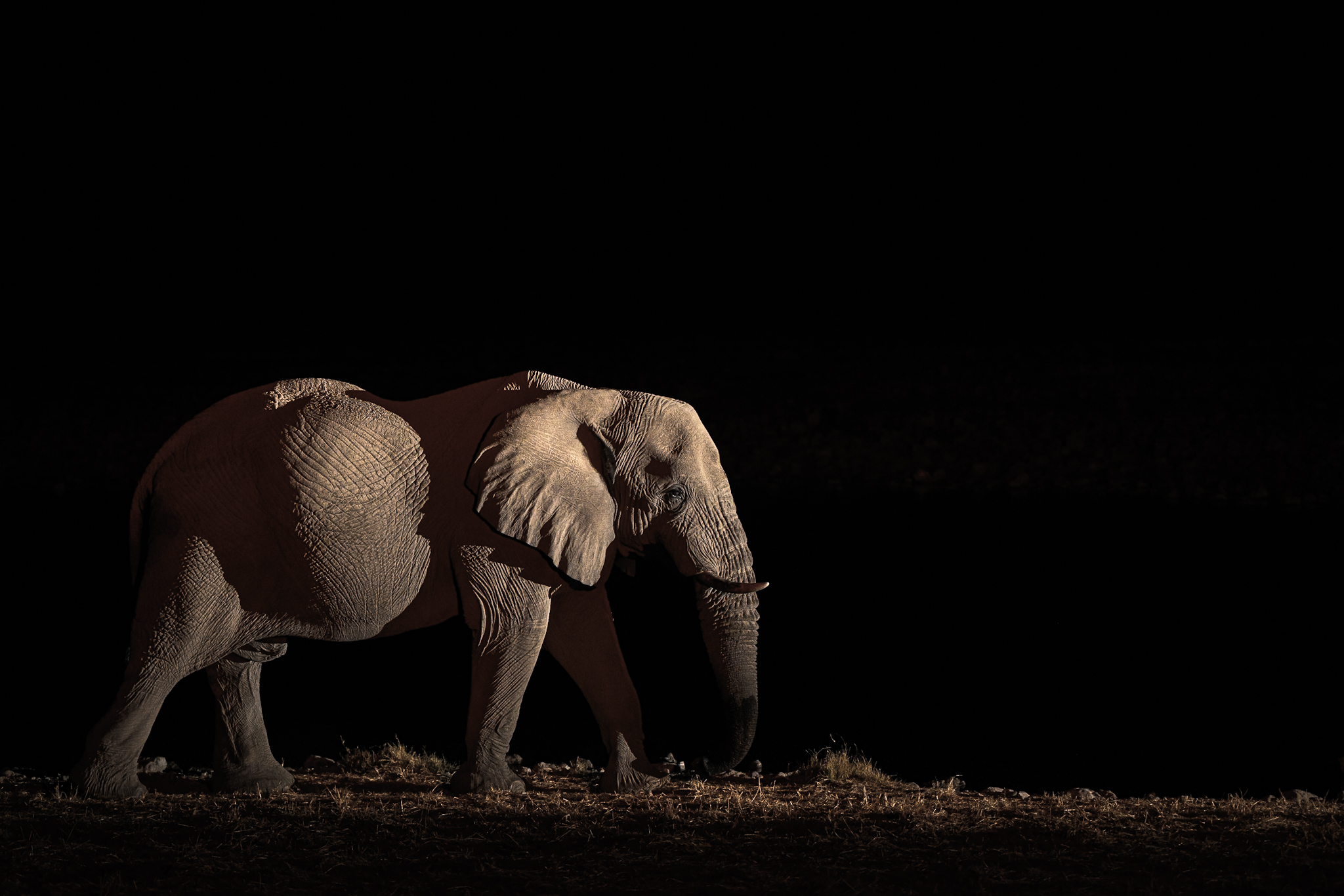
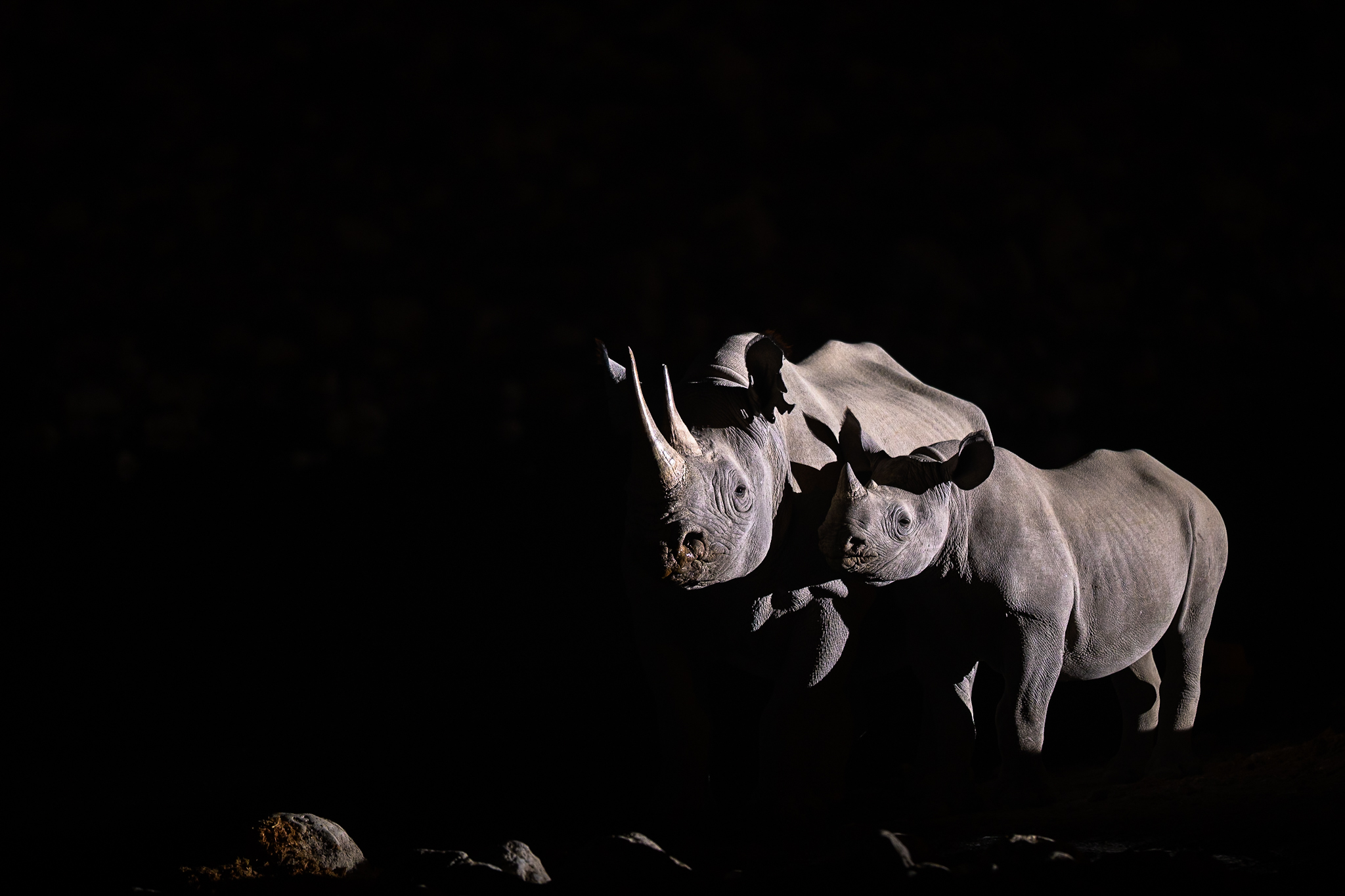
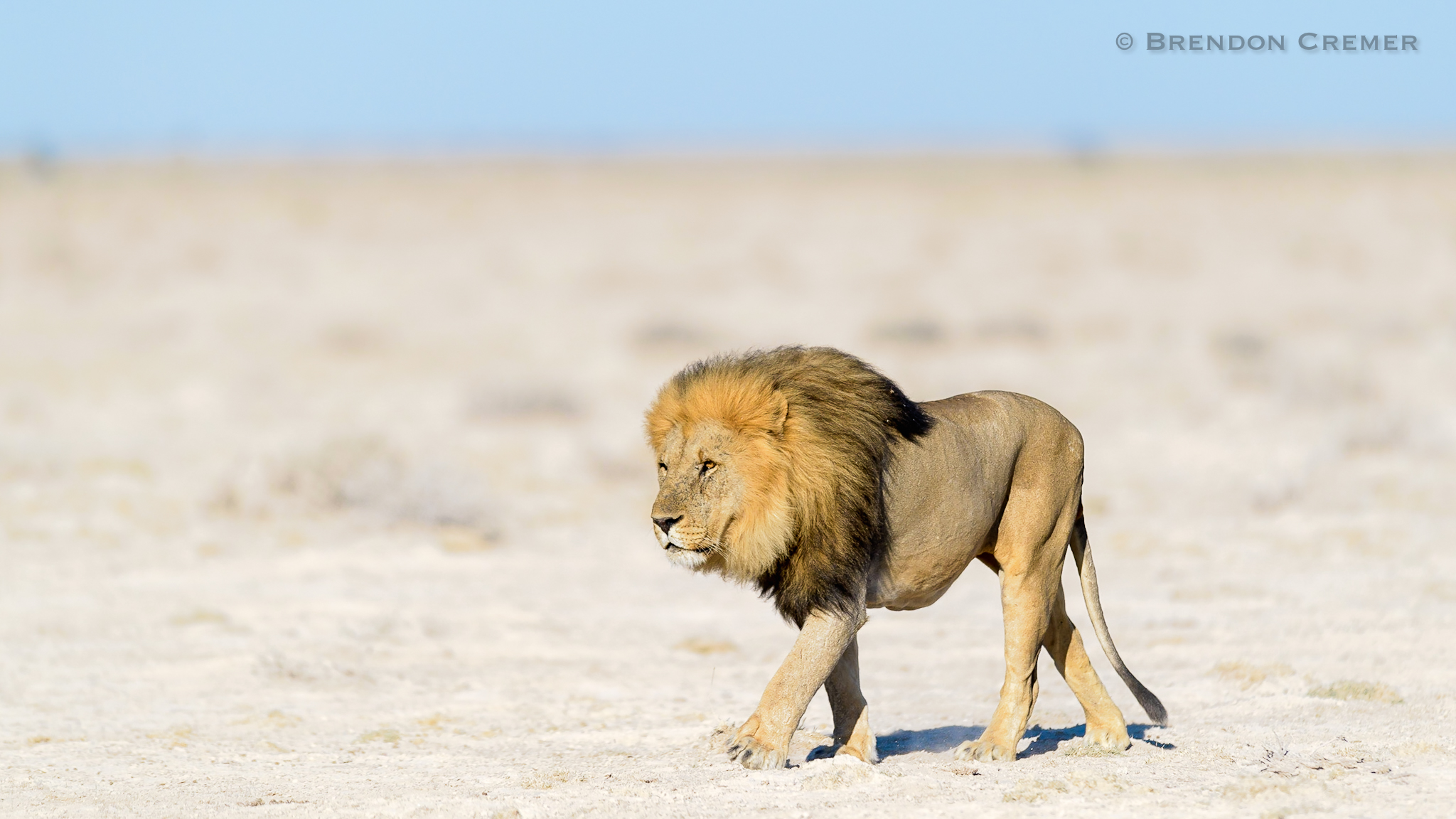
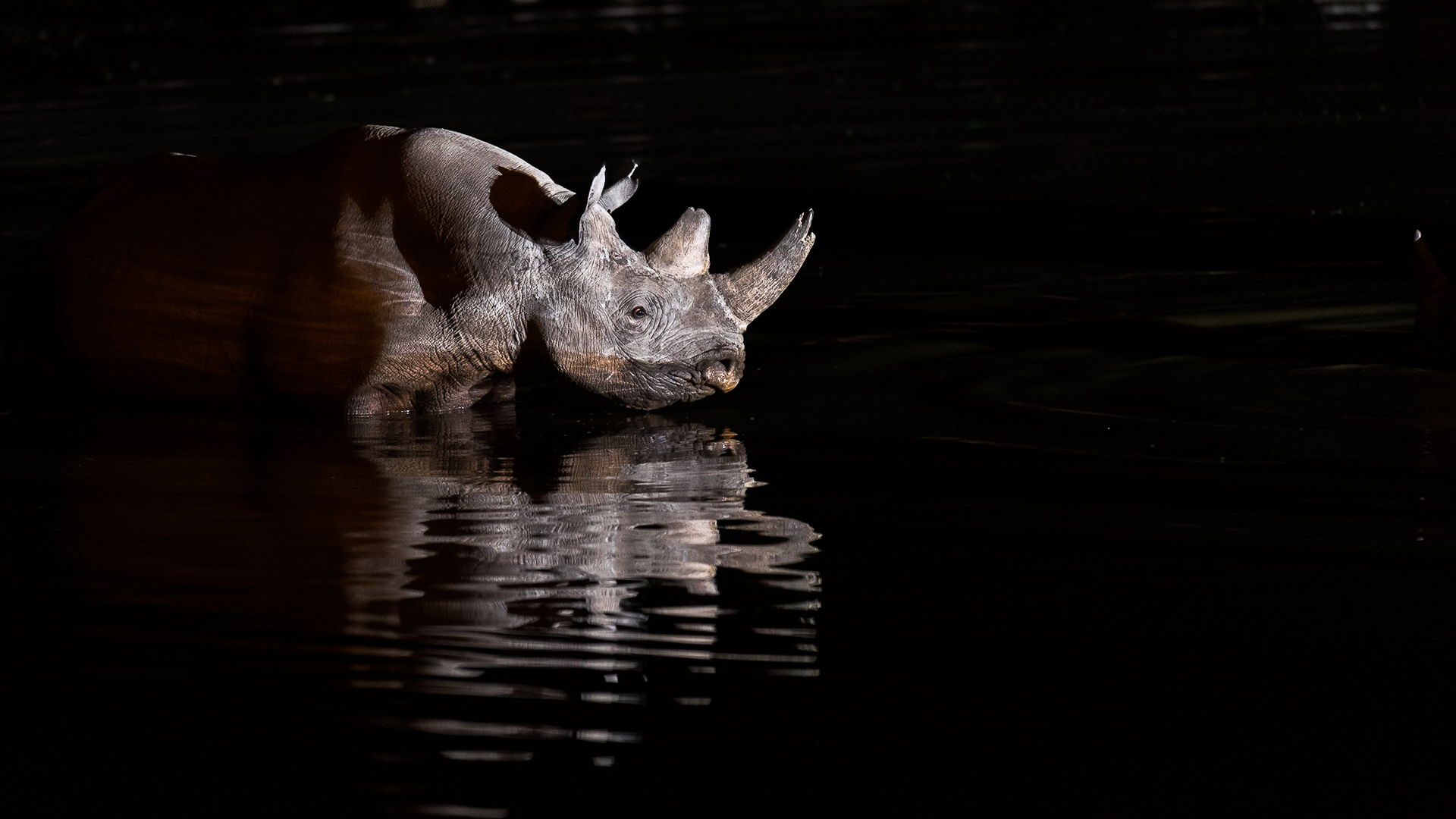
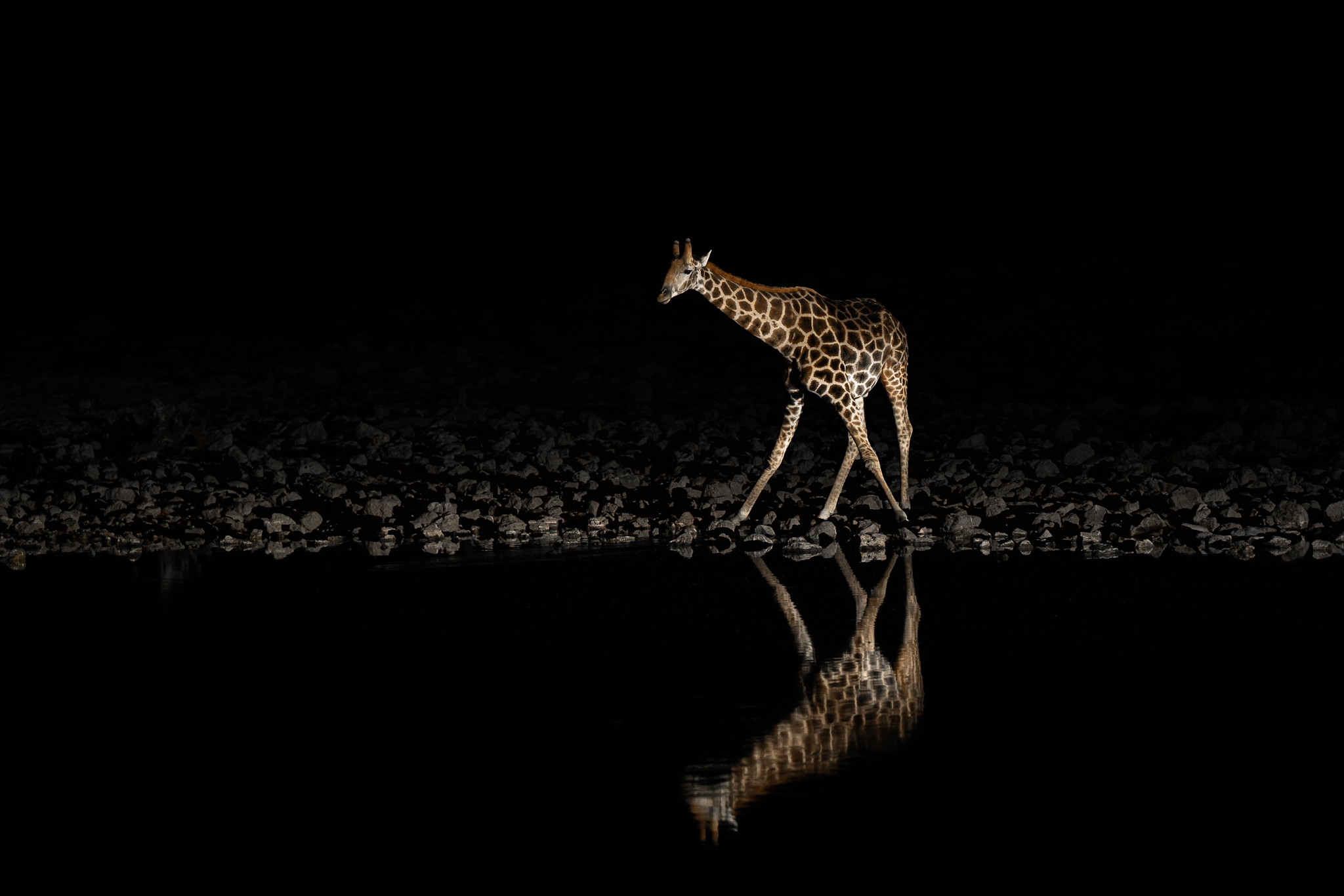
While our daytime game drives produced exceptional wildlife sightings—including lions, elephants, both black and white rhinos, eland, springbok, oryx, jackals and a wonderful variety of birds—the real highlight was the floodlit waterhole directly in front of the camp.
Each evening we settled in with our cameras, waiting as wildlife constantly arrived throughout the night, elephants, rhinos, giraffe, zebra, eland and even some lions. With the assistance of carefully placed lighting , we created some striking images of animals visiting the waterhole.
The sheer abundance of animals was often so exciting that it became difficult to leave and get some sleep, even knowing the alarm would ring before sunrise for another day of exploring the park.
Among our bird highlights were Red-necked Falcon, Lanner Falcon and the beautiful Crimson-breasted Shrike, just to name a few, adding even more diversity to an already incredible photographic experience.
After four unforgettable nights in Etosha, we returned to Windhoek, where our group said their goodbyes before travelling home.
This year's Namibia Landscapes & Wildlife Photo Tour was filled with unforgettable experiences, incredible wildlife encounters, spectacular landscapes, fantastic food, plenty of laughter and countless photographic opportunities.
Namibia continues to surprise us every time we visit, and it's impossible not to return home inspired by the country's beauty and diversity.
We cannot wait to return next year and share this extraordinary adventure with another group of passionate photographers.