
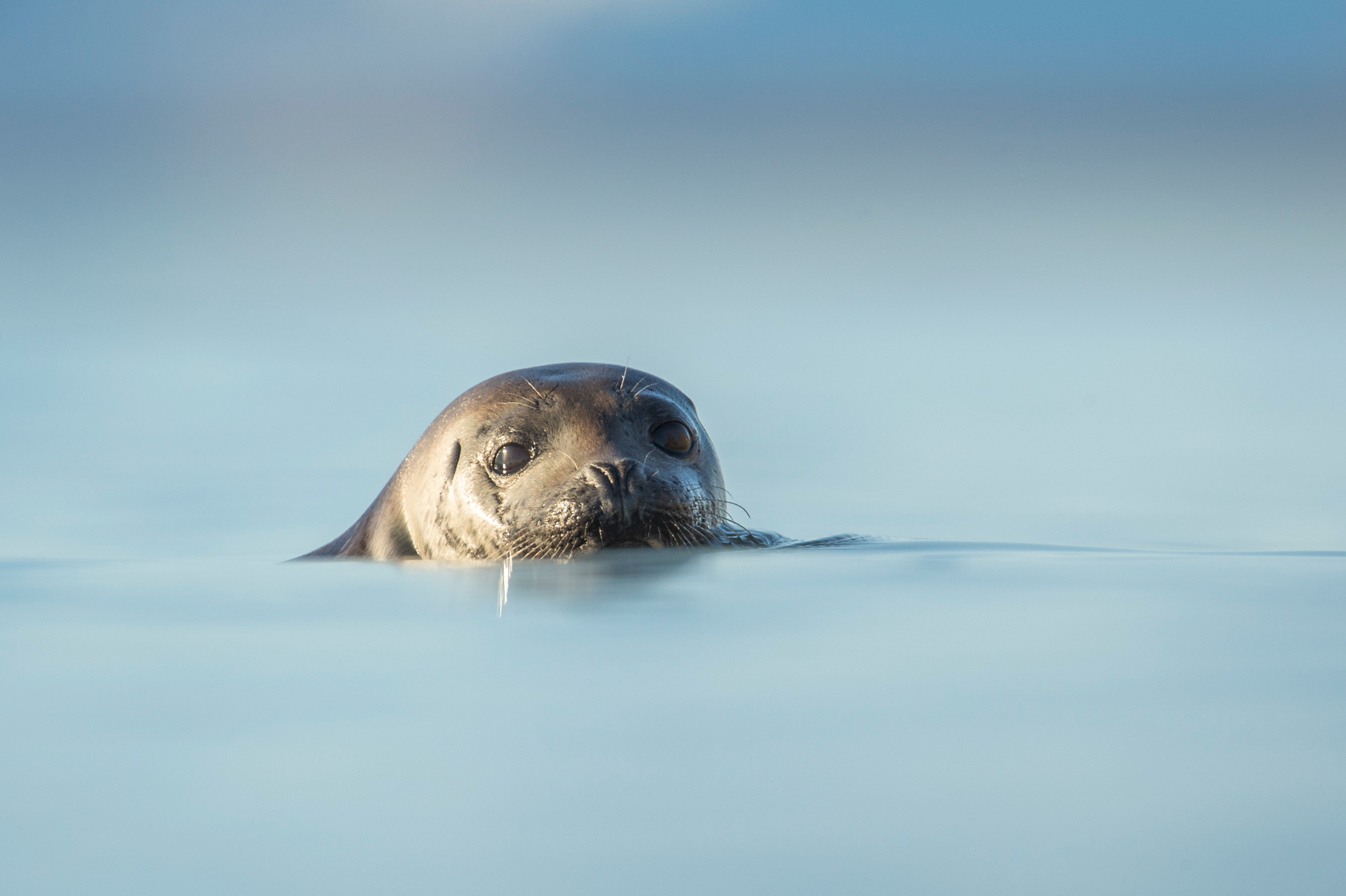
With streamlined bodies and flipper-like limbs, seals are agile swimmers and engaging subjects to photograph in coastal and polar environments.
Seals are semi-aquatic animals, known for their ability to thrive both in water and on land.
Seal photography offers wildlifephotographers the chance to capture playful behaviour, dramatic coastalenvironments, and fascinating marine life interactions. From rocky shorelinesto icy polar habitats, seals provide endless opportunities for creativewildlife images. Discover where to photograph seals, the best equipment formarine photography, and how to capture these charismatic animals whilerespecting their natural behaviour.
Find them at the following tours
Our photo safaris are designed to bring you as close to the wild as possible, so that you can watch and photograph these extraordinary animals in their natural habitat.

Overview
Seal photography offers wildlife photographers the chance to capture playful behaviour, dramatic coastal environments, and fascinating marine life interactions. From rocky shorelines to icy polar habitats, seals provide endless opportunities for creative wildlife images.

Key Facts
Types and Habitats
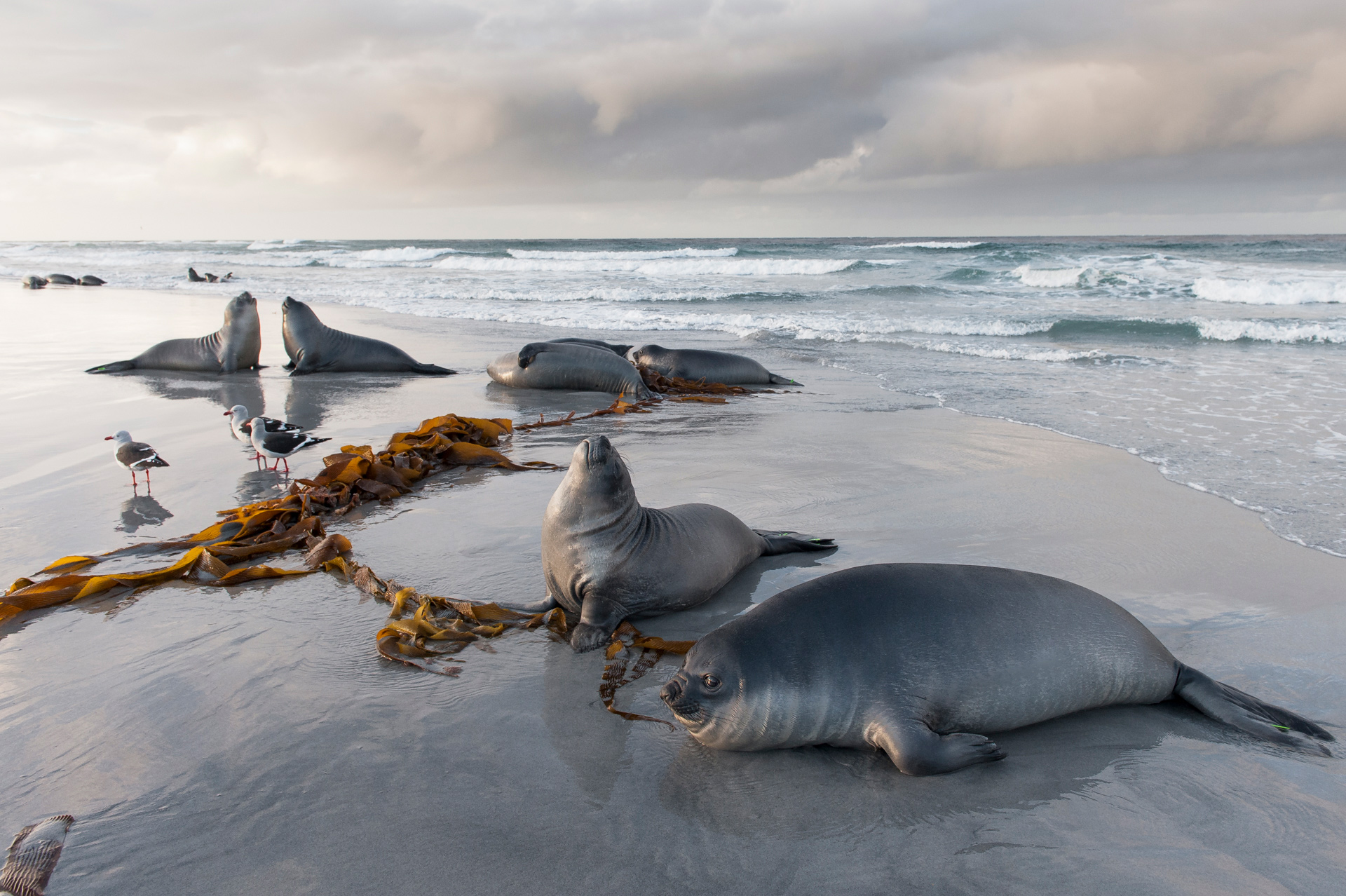
There are various species of seals found in different habitats around the world. Some common species include harbour seals, which inhabit coastal areas, and grey seals, which can be found in both the North Atlantic and the Baltic Sea. Elephant seals, known for their large size, thrive in sub-Antarctic and Antarctic regions. Seals can be found in a range of habitats, including rocky shores, sandy beaches, and ice floes, depending on the species. They are often seen basking in the sun, hauled out on land or ice, providing photographers with opportunities to capture their behaviour and interactions.
WHERE TO FIND ME


FAQ
Explore the Fascinating World of This Animal Through These Frequently Asked Questions (FAQs)
Where can I photograph seals in the wild?
When is the best time to photograph seals?
What camera equipment is best for seal photography?
How can photographers photograph seals responsibly?


