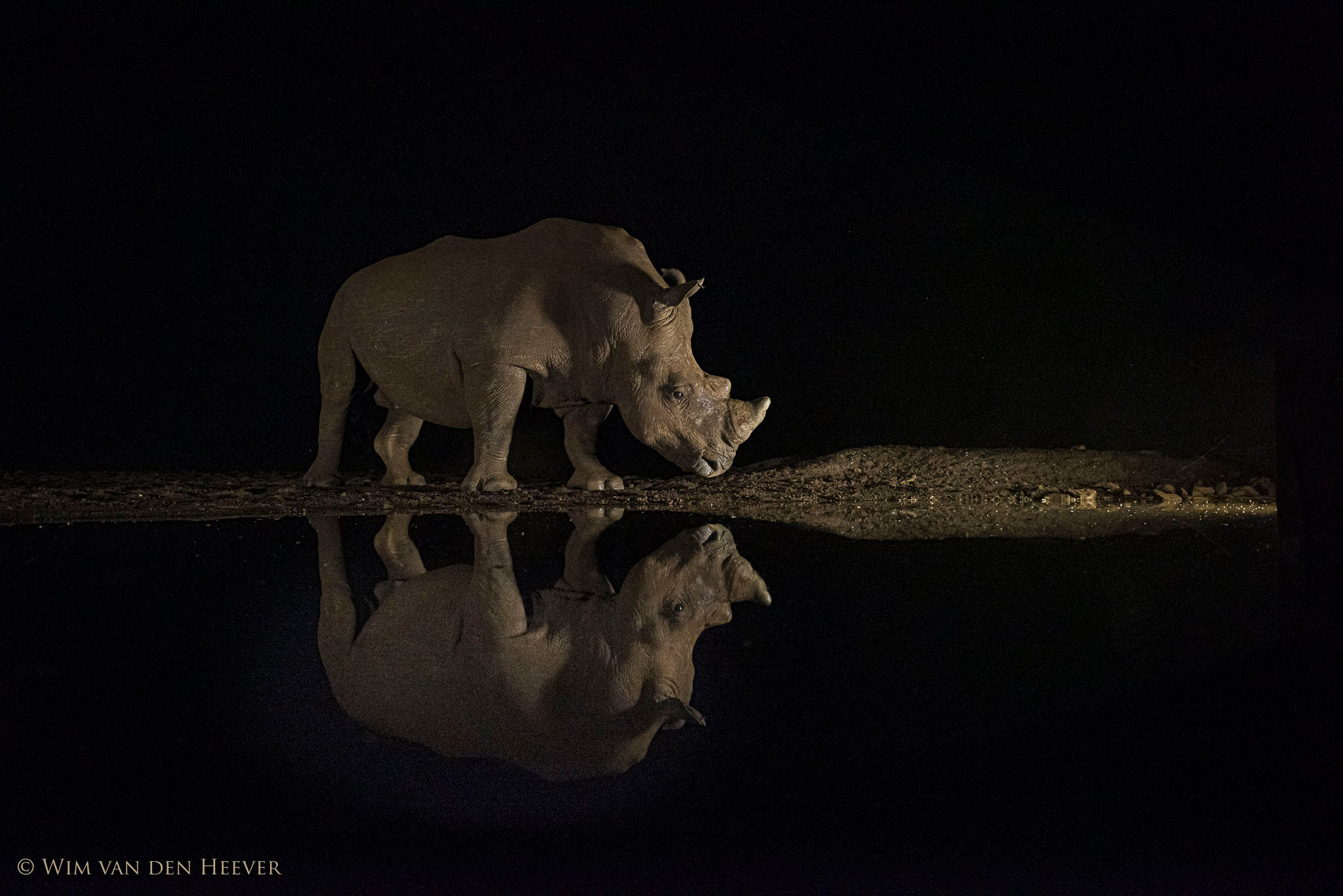
Rhinos are large, thick-skinned herbivores known for their distinctive horns and heavy, muscular build.
Rhinoceroses are large, heavyset mammals with a distinctive prehistoric look, known for their thick skin and prominent horns.
Rhinoceros photography allowswildlife photographers to capture one of Africa’s most ancient and iconicmammals. With their prehistoric appearance, powerful presence, and importantconservation story, rhinos provide opportunities for both dramatic portraitsand meaningful wildlife images. Learn where to photograph rhinos, the besttimes for sightings, and techniques for photographing these incredible animalsresponsibly.
Find them at the following tours
Our photo safaris are designed to bring you as close to the wild as possible, so that you can watch and photograph these extraordinary animals in their natural habitat.
Overview
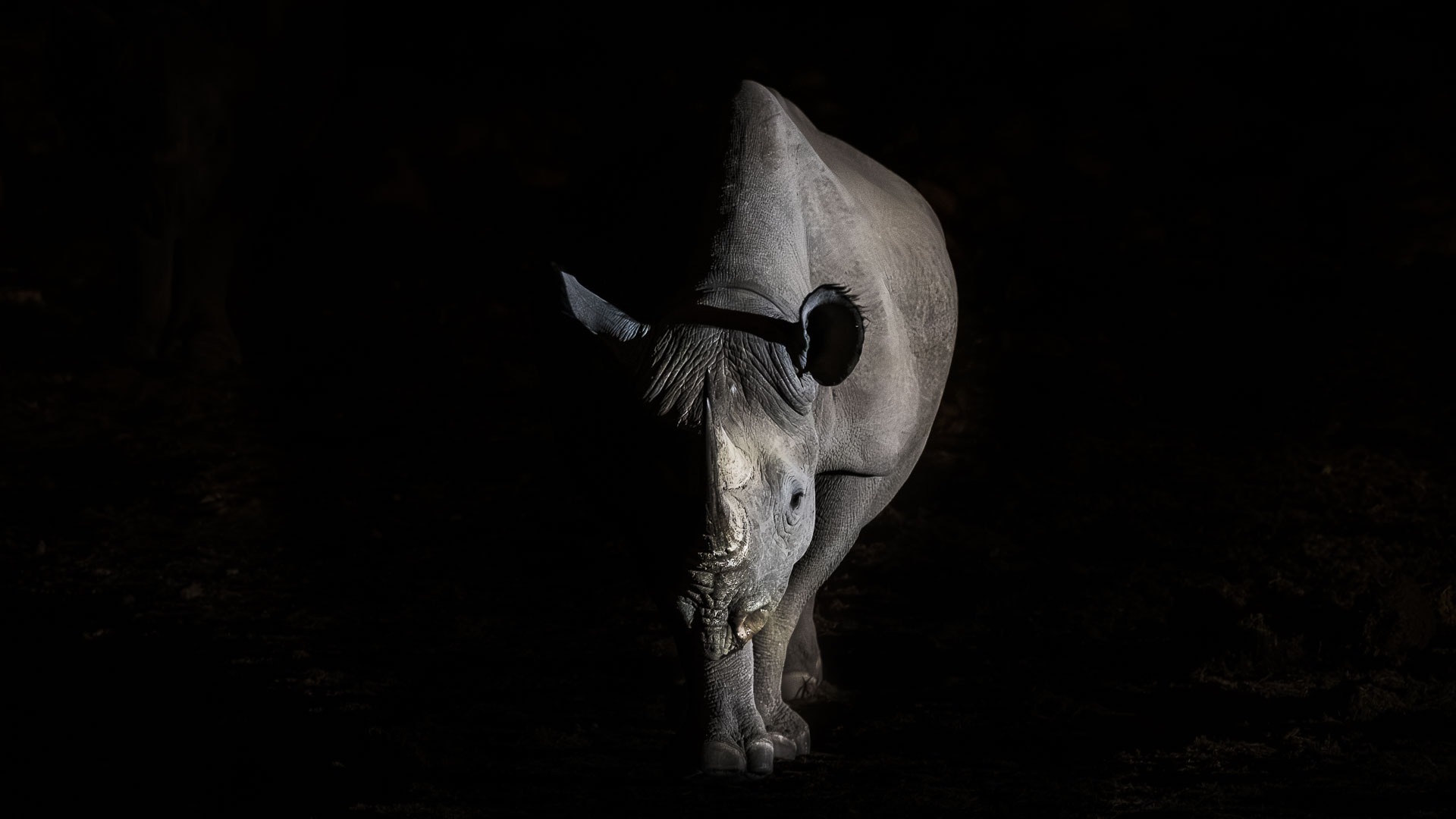
Rhinoceros photography allows wildlife photographers to capture one of Africa’s most ancient and iconic mammals. With their prehistoric appearance, powerful presence, and important conservation story, rhinos provide opportunities for both dramatic portraits and meaningful wildlife images.

Key Facts
Types and Habitats
There are five main species of rhinoceros, each with its unique characteristics and habitat preferences. The white rhinoceros is found in grassy plains and savannas of southern and eastern Africa. Black rhinos inhabit dense vegetation areas, including woodlands and shrublands, primarily in eastern and southern Africa. Indian rhinoceros are native to the Indian subcontinent and can be found in the tall grasslands and riverine forests of Nepal and northeastern India. Javan rhinoceros are critically endangered and reside in the dense tropical rainforests of Java, Indonesia. Sumatran rhinoceros are also critically endangered and inhabit dense forests and swampy areas of Sumatra, Indonesia.
These different species of rhinos have adapted to their respective habitats, utilizing their unique physical and behavioural traits. For example, white rhinos have a broad, square-shaped mouth for grazing on grasses, while black rhinos have a prehensile upper lip for browsing on leaves and twigs.
FAQ
Explore the Fascinating World of This Animal Through These Frequently Asked Questions (FAQs)
Where can I photograph rhinos in Africa?
Why are rhinos popular with wildlife photographers?
When is the best time to photograph rhinos?
What lens is best for photographing rhinos?
Why are rhinos endangered?