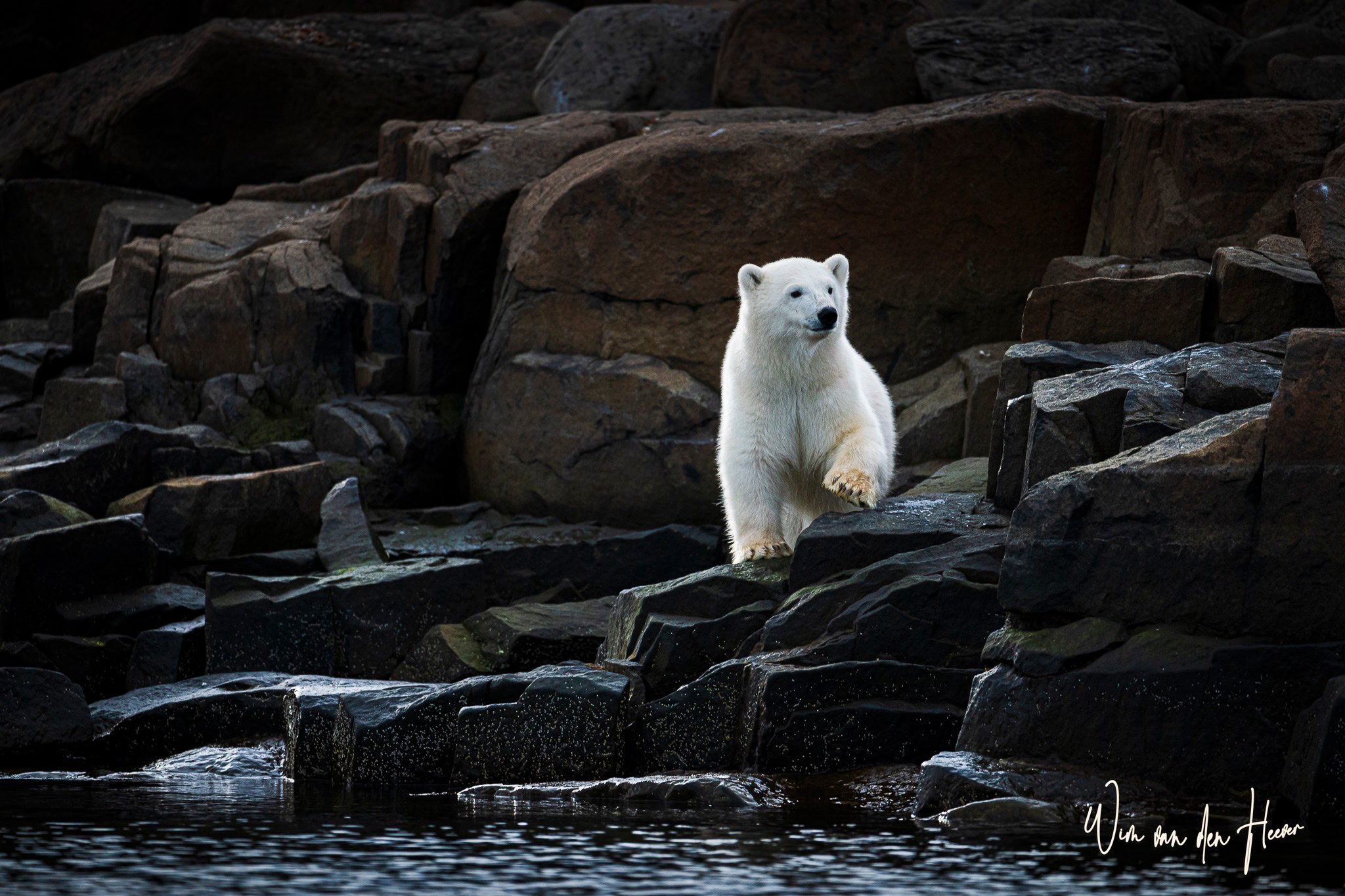
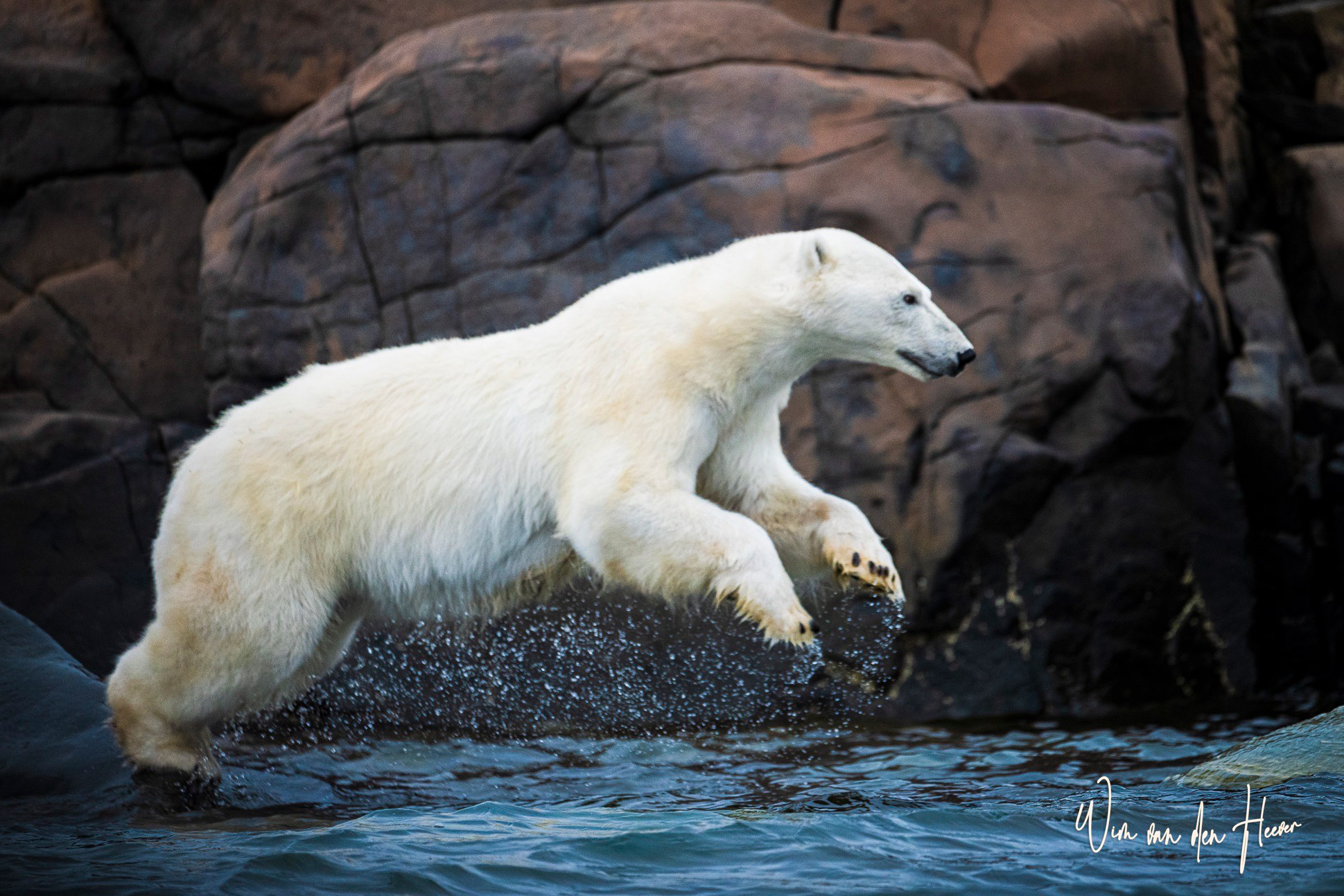
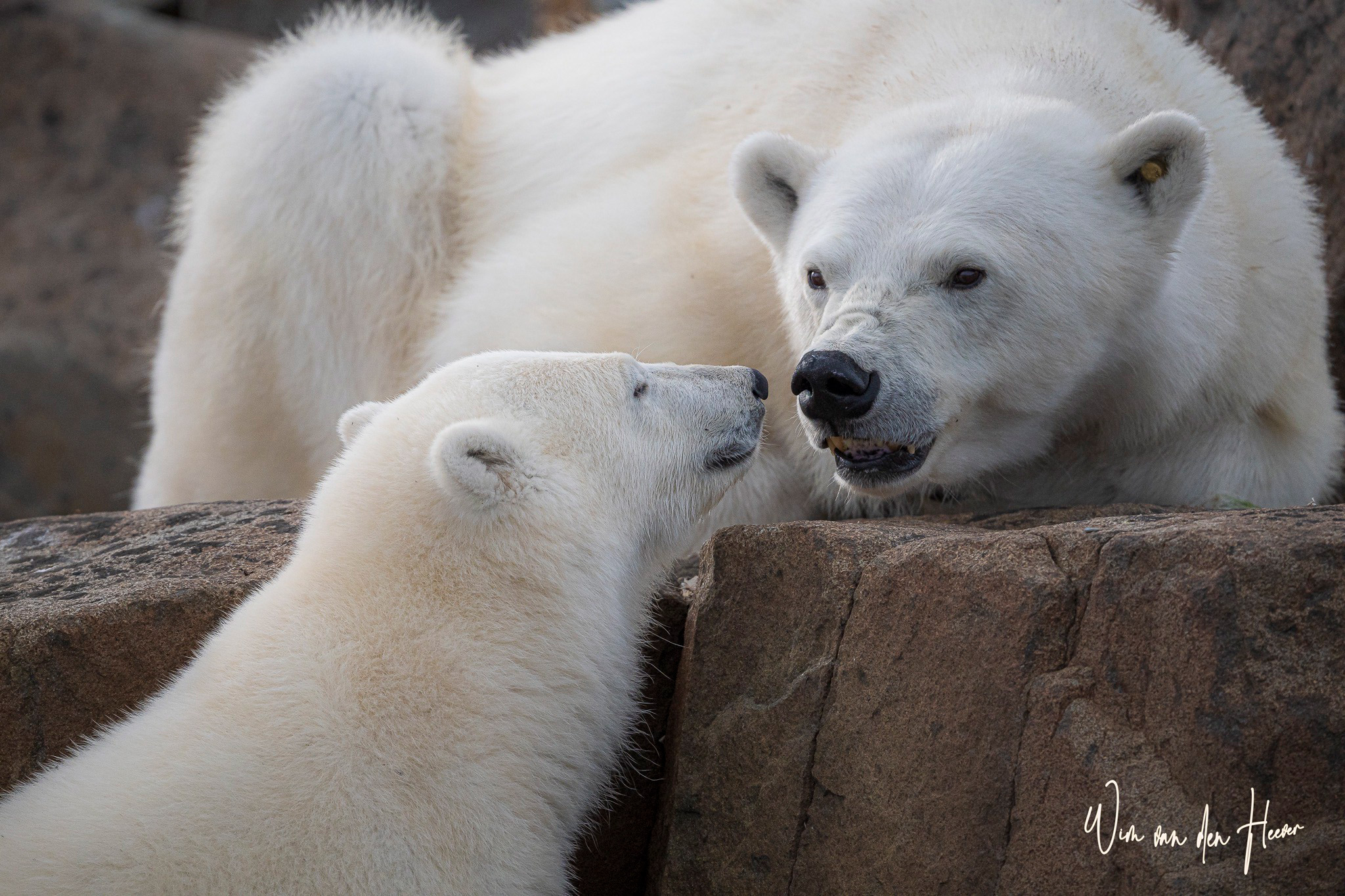
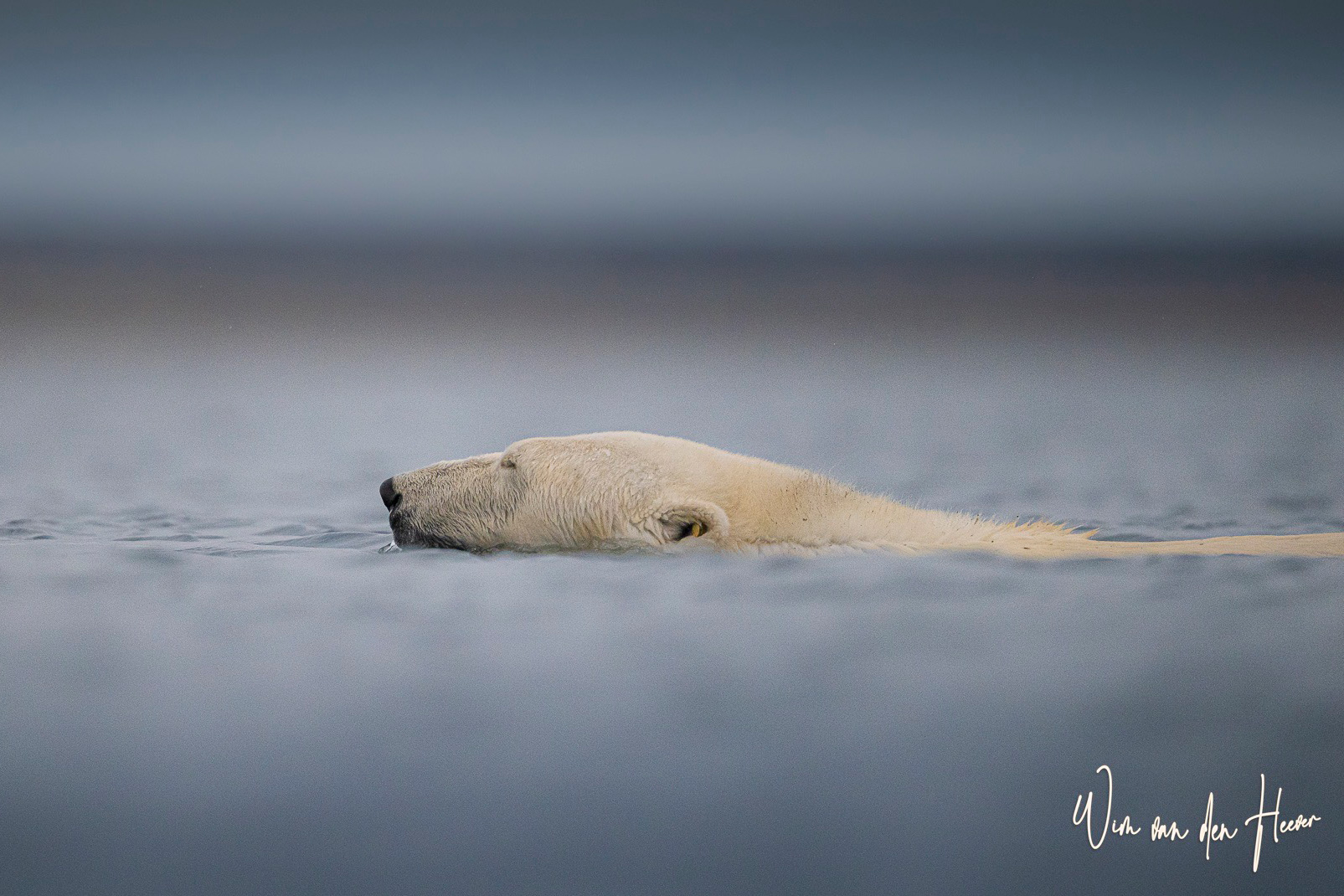
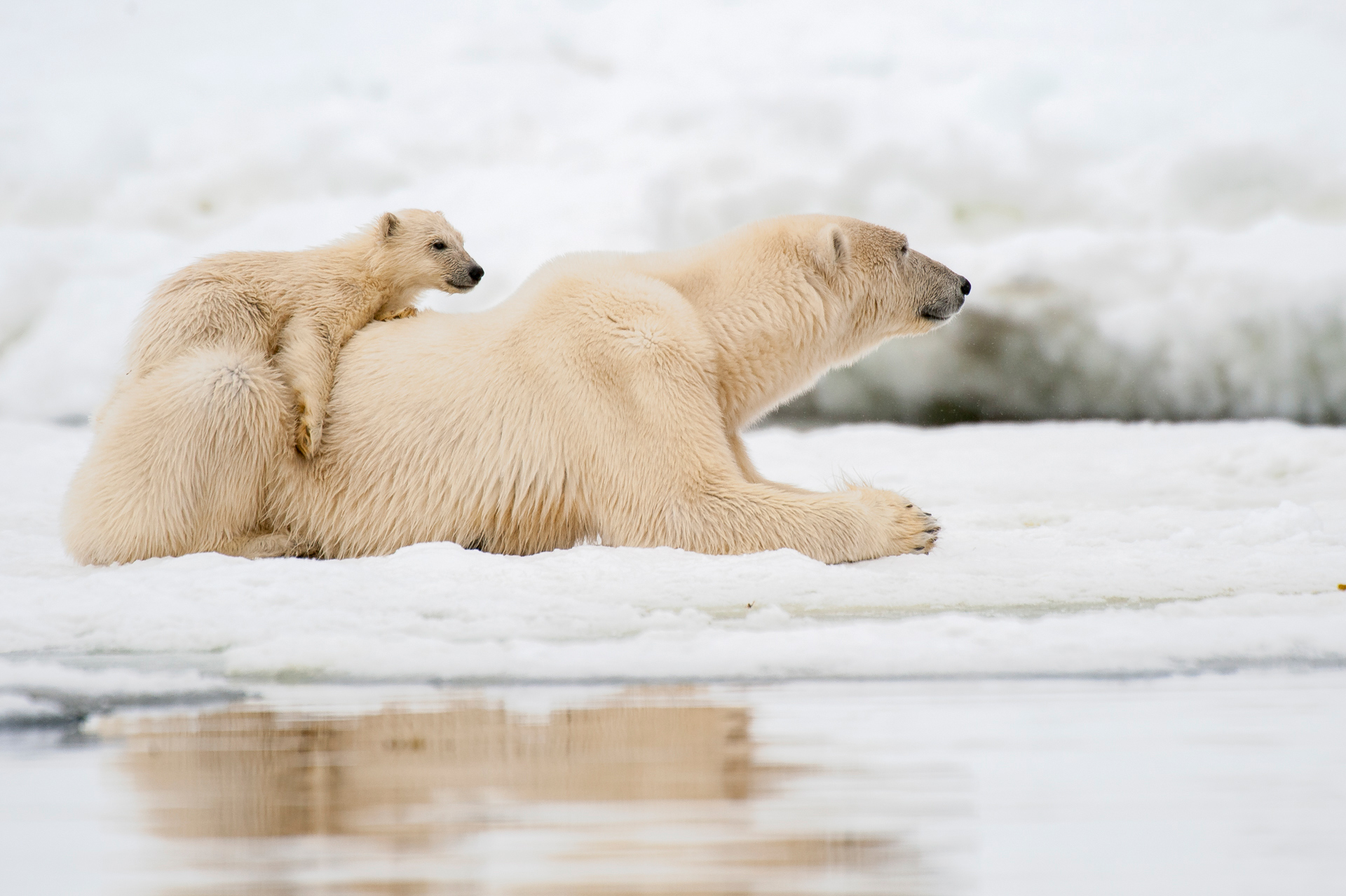
Polar bears are the iconic giants of the Arctic
Polar bears are powerful predators built for life on ice.
Polar bear photography offers anextraordinary opportunity to capture one of the Arctic’s most iconic predatorsin a breathtaking frozen landscape. These powerful and adaptable animals createunforgettable wildlife photography moments, from hunting behaviour on sea iceto peaceful scenes across the Arctic wilderness. Explore where to photographpolar bears, the best equipment for cold environments, and responsiblephotography practices.
Find them at the following tours
Our photo safaris are designed to bring you as close to the wild as possible, so that you can watch and photograph these extraordinary animals in their natural habitat.

Overview
Polar bear photography offers an extraordinary opportunity to capture one of the Arctic’s most iconic predators in a breathtaking frozen landscape. These powerful and adaptable animals create unforgettable wildlife photography moments, from hunting behaviour on sea ice to peaceful scenes across the Arctic wilderness.

Key Facts
Types and Habitats
Polar bears are a single species, but they are found across the Arctic region, inhabiting the sea ice and coastal areas near the Arctic Ocean. They rely on the sea ice as a platform for hunting seals and traveling vast distances.
Photographing polar bears often involves expeditions to remote locations such as Svalbard, the Canadian Arctic, or the coastal regions of Alaska, where the chances of encountering these magnificent creatures are highest.
FAQ
Explore the Fascinating World of This Animal Through These Frequently Asked Questions (FAQs)
Where is the best place to photograph polar bears?
Why are polar bears popular with wildlife photographers?
When is the best time to photograph polar bears?
What camera equipment is best for polar bear photography?
Why are polar bears threatened?