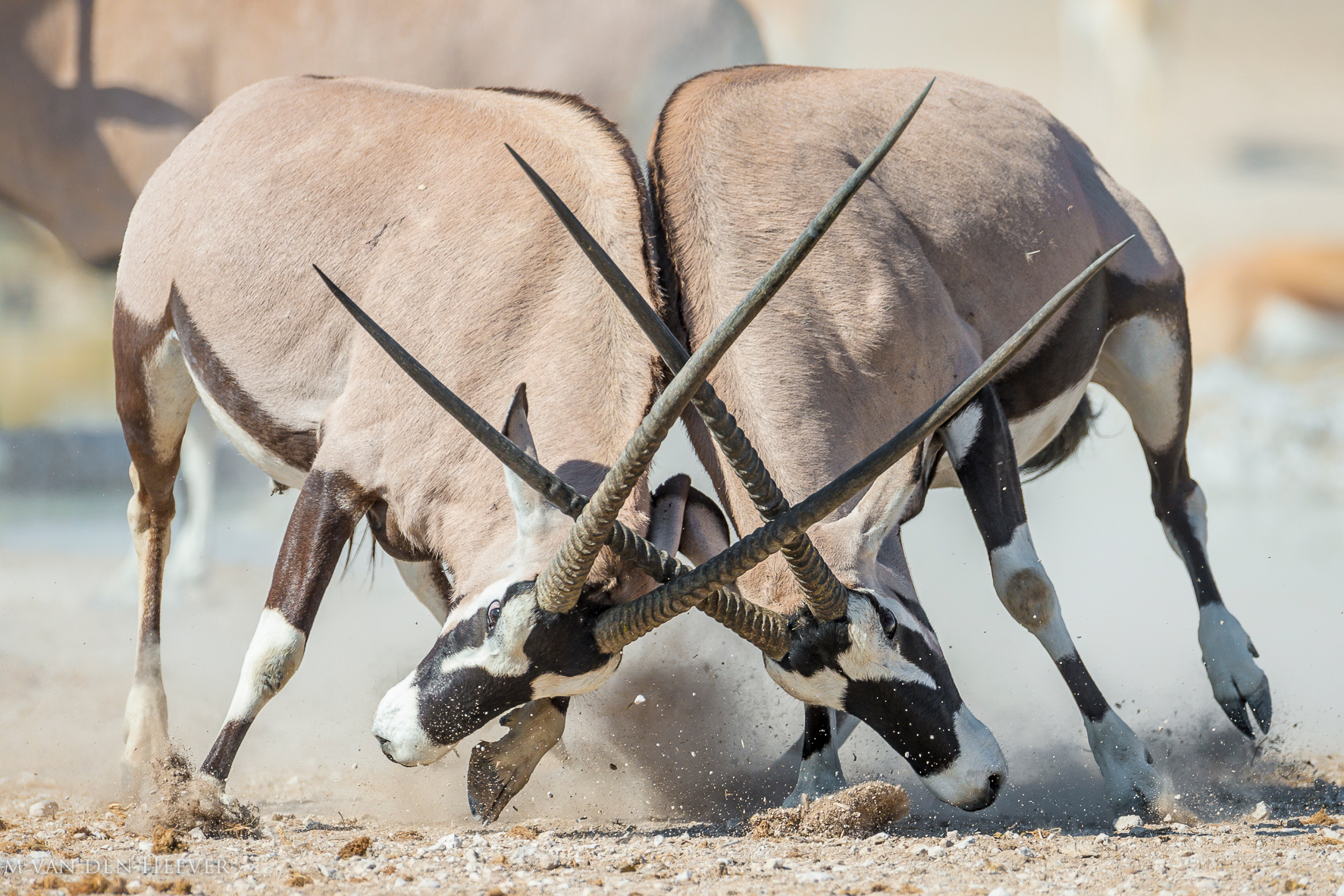
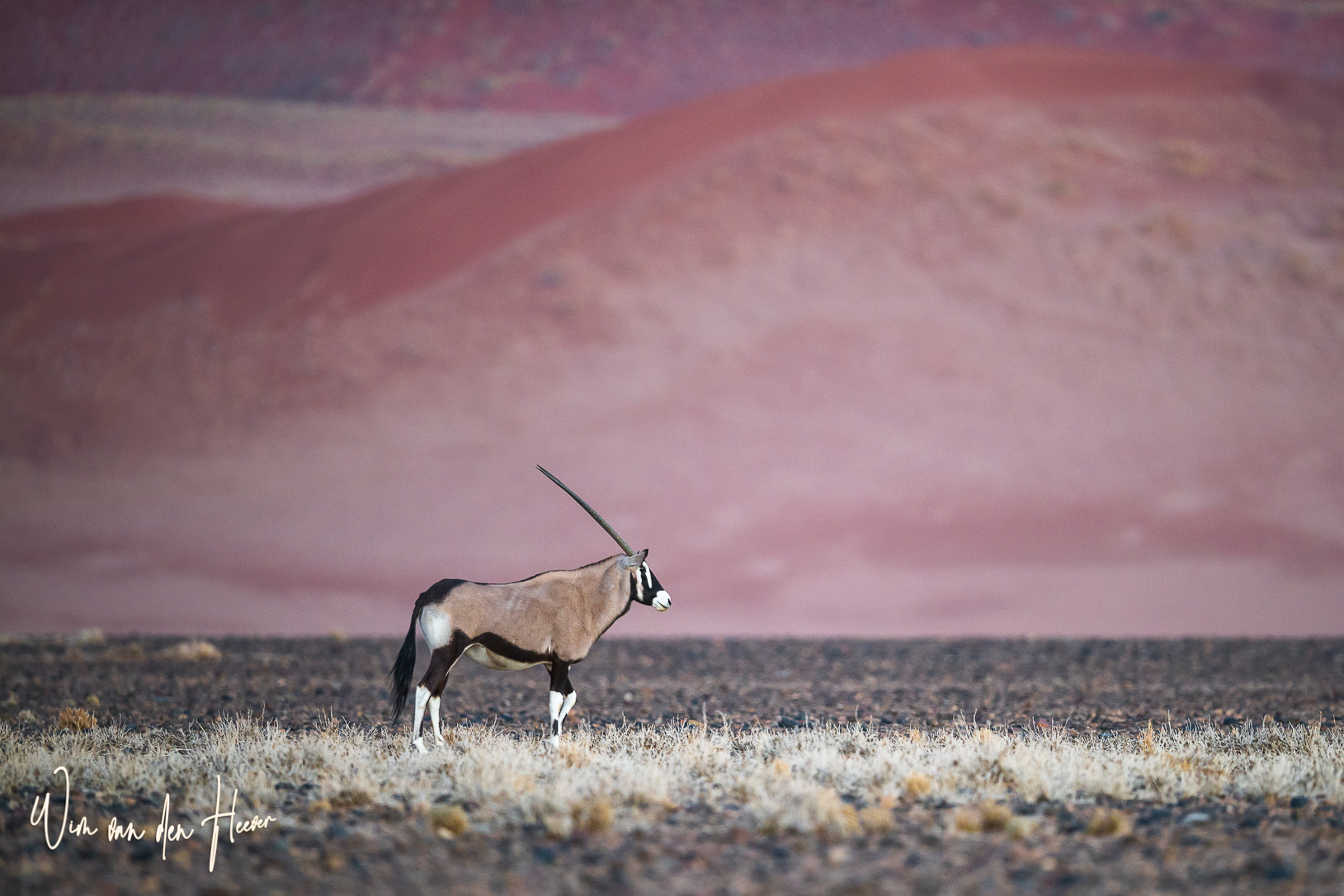
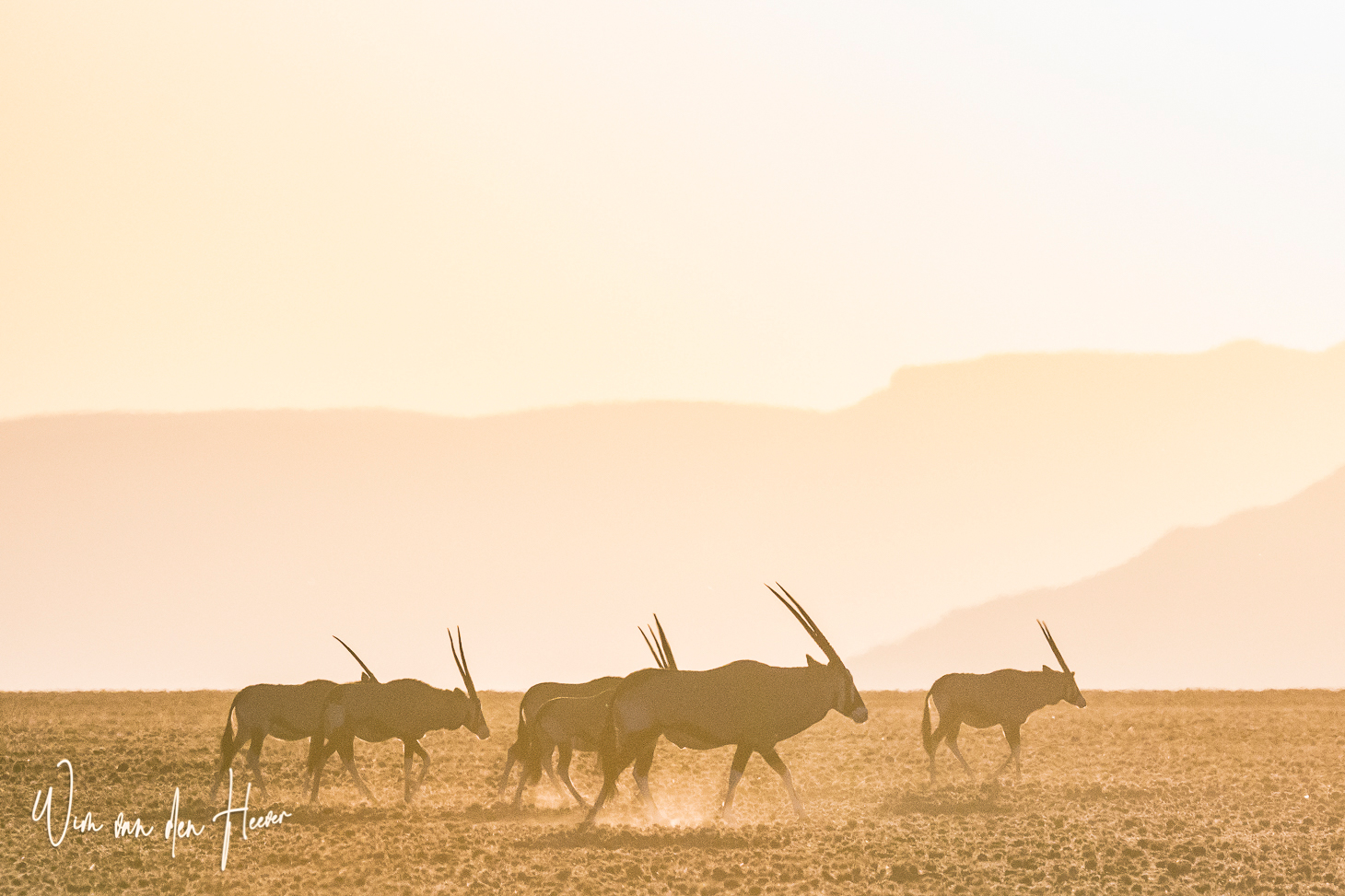
The oryx, also known as the gemsbok, is a remarkable antelope species native to the arid regions of Africa.
With bold markings and long, spear-like horns, the oryx stands out as a striking subject on any photo safari.
Oryx photography captures thebeauty and resilience of one of Africa’s most distinctive desert-adaptedmammals. With elegant horns, striking markings, and the ability to survive insome of the harshest environments on Earth, oryx create stunning photographicsubjects. Learn where to photograph oryx, how to capture their desert habitat,and the best techniques for creating memorable wildlife images.
Find them at the following tours
Our photo safaris are designed to bring you as close to the wild as possible, so that you can watch and photograph these extraordinary animals in their natural habitat.
Overview
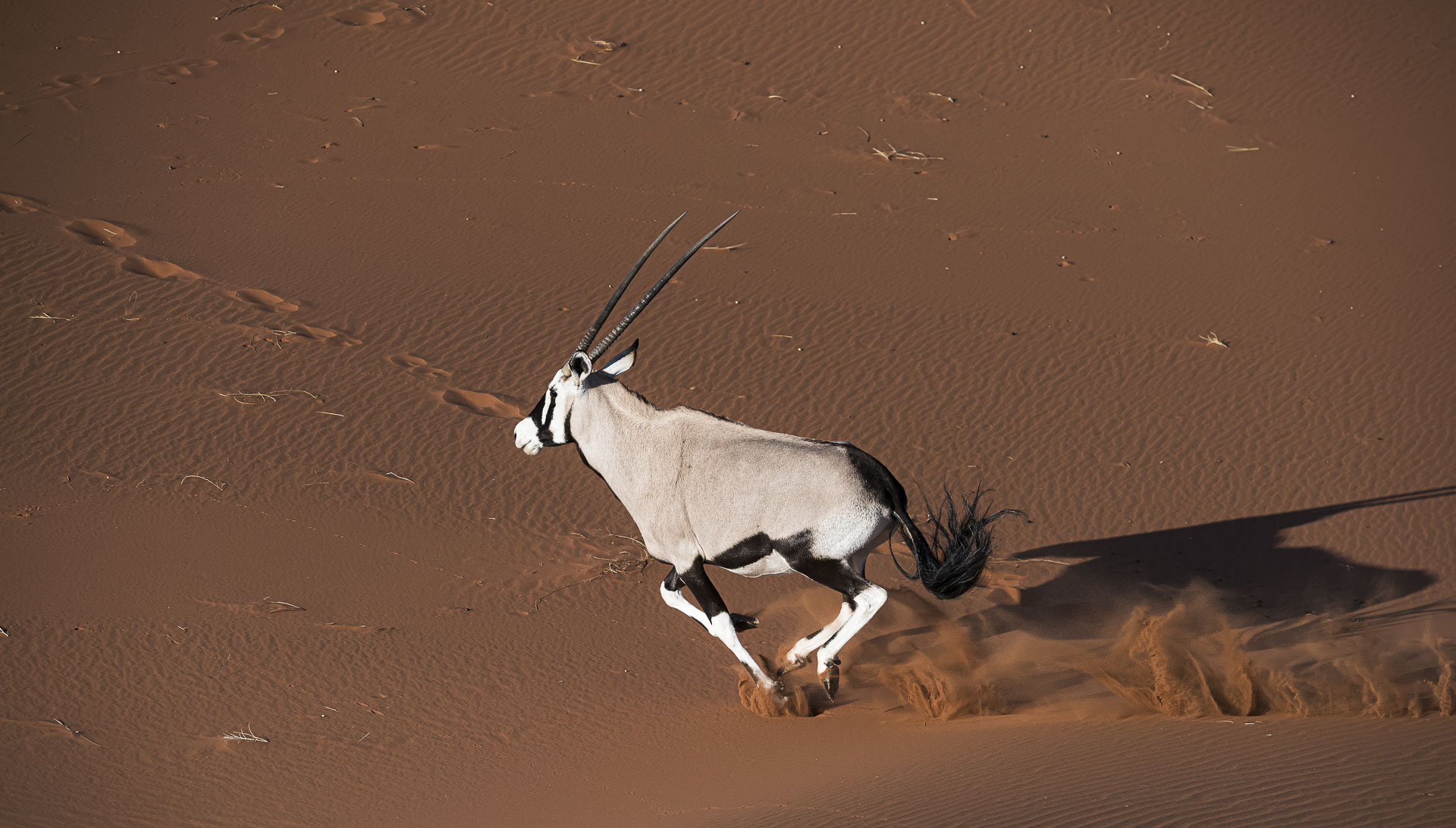
Oryx photography captures the beauty and resilience of one of Africa’s most distinctive desert-adapted mammals. With elegant horns, striking markings, and the ability to survive in some of the harshest environments on Earth, oryx create stunning photographic subjects.

Key Facts
Types and Habitats
The oryx is primarily found in the arid regions of Africa, particularly in countries such as Namibia, Botswana, and South Africa. There are several subspecies of oryx, including the scimitar-horned oryx, Arabian oryx, and East African oryx. These subspecies inhabit various desert and semi-desert habitats, ranging from sandy dunes to rocky plains. Oryx are well adapted to these harsh environments, with their efficient cooling mechanisms and ability to withstand long periods without water. They have evolved to thrive in areas with sparse vegetation and extreme temperature fluctuations.
FAQ
Explore the Fascinating World of This Animal Through These Frequently Asked Questions (FAQs)
Where is the best place to photograph oryx?
Why are oryx popular with wildlife photographers?
When is the best time to photograph oryx?
What lens is best for photographing oryx?
How do oryx survive in desert environments?