The Graceful Antelope of the African Wetlands
The lechwe is an elegant and agile antelope species found in the wetlands of southern Africa.
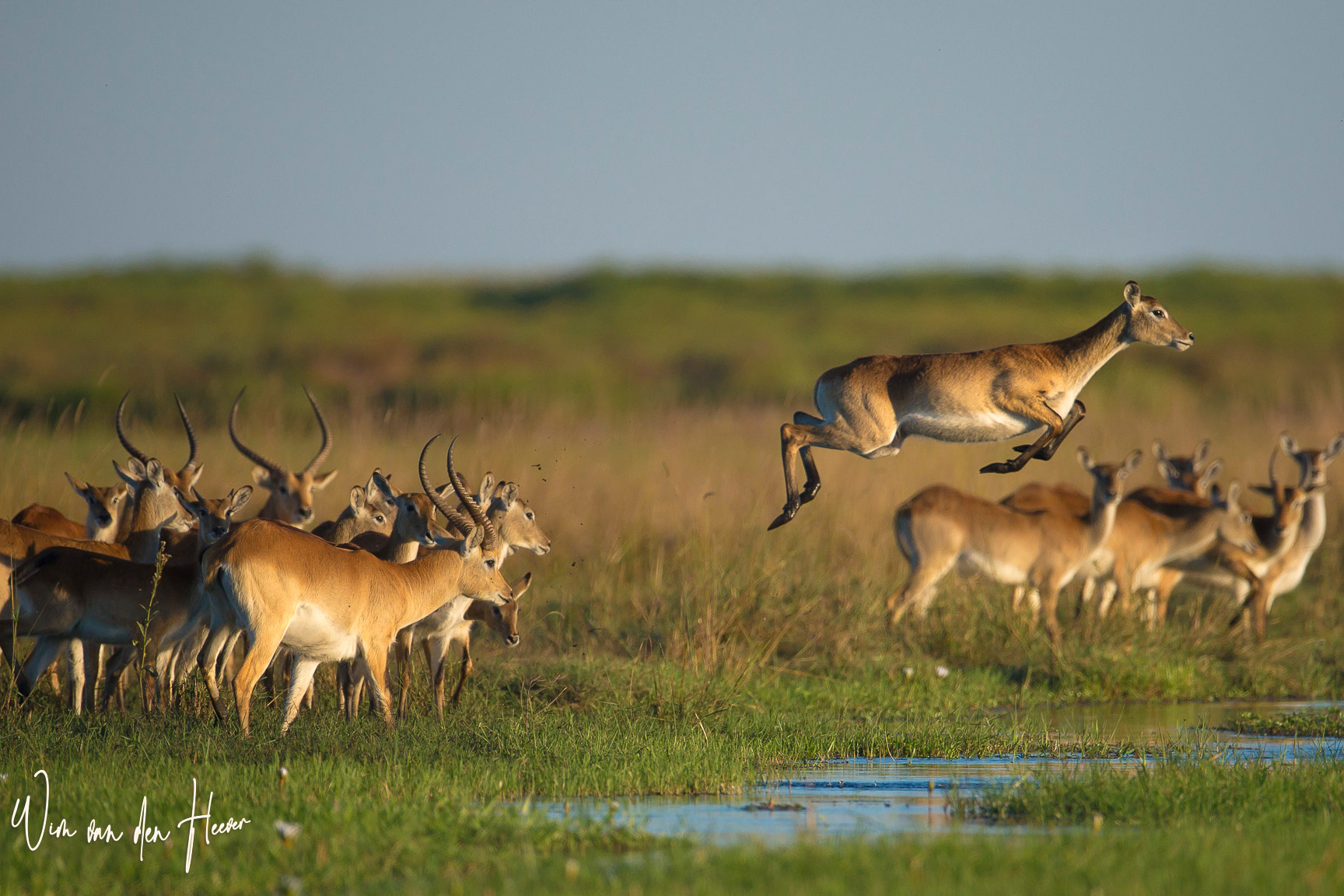
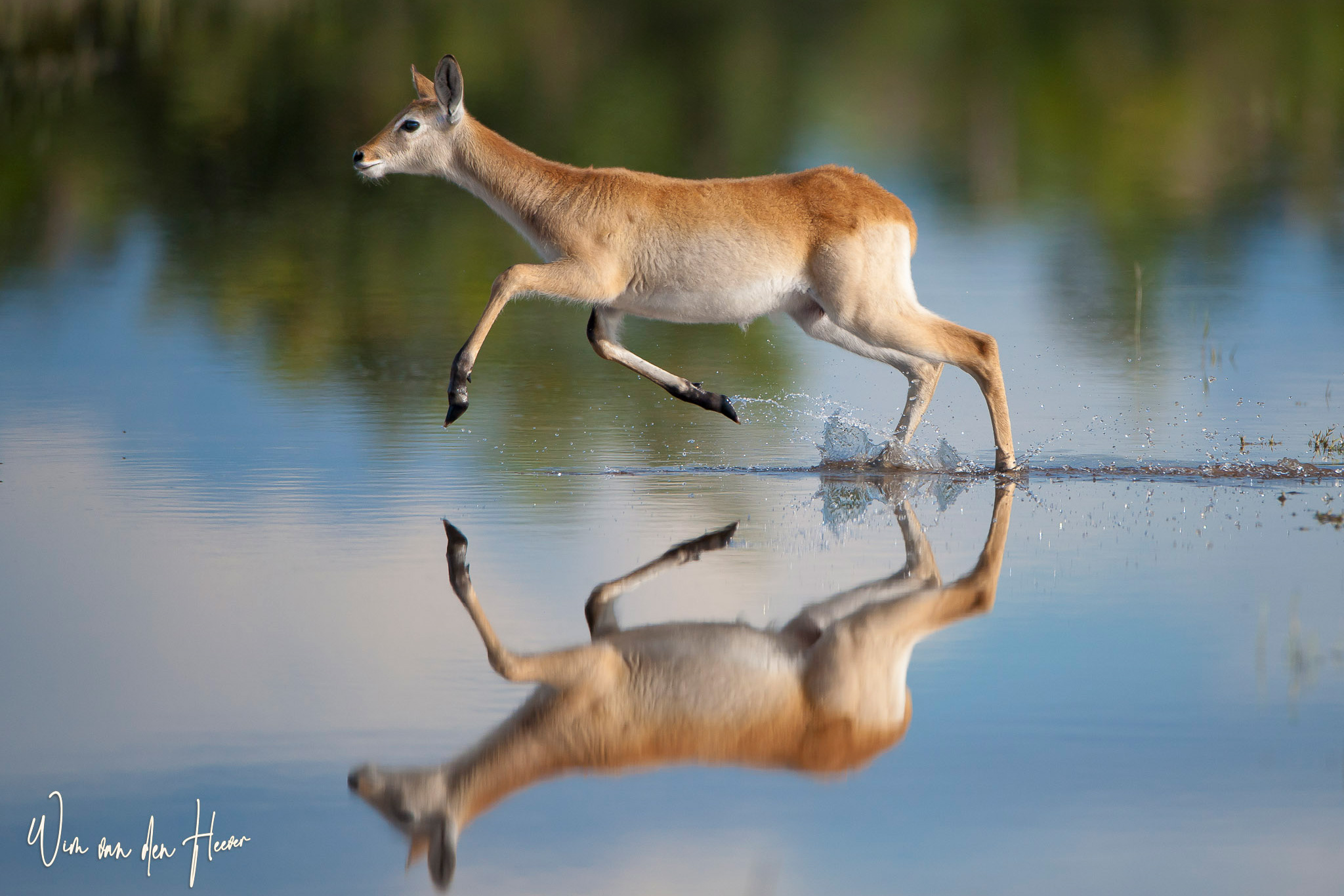
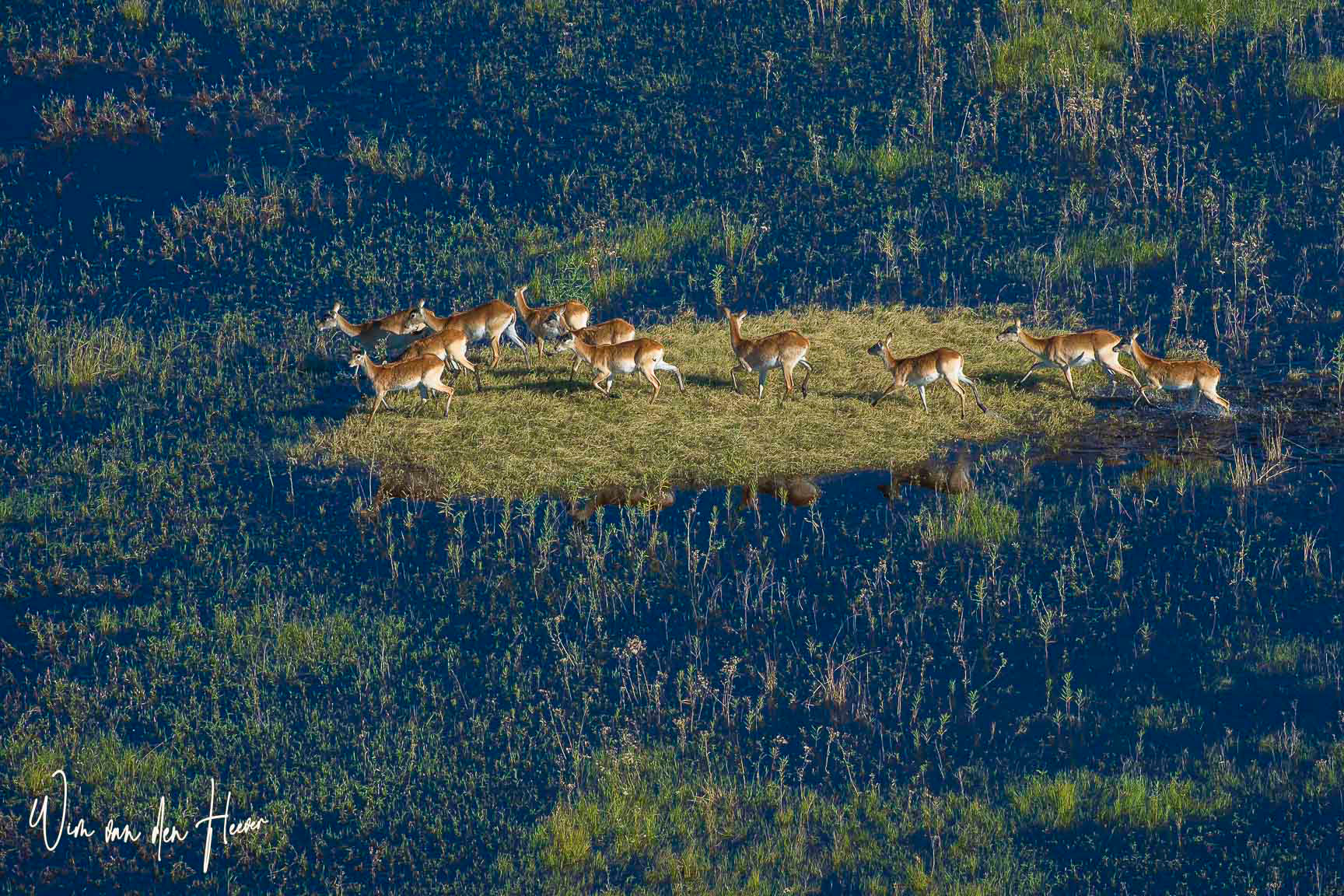
Lechwe photography provides aunique opportunity to capture an antelope specially adapted to Africa’swetlands. Found in some of the continent’s most beautiful floodplainecosystems, lechwe are known for their elegant movements through shallow waterand their striking appearance. Discover where to photograph lechwe, the bestconditions for sightings, and photography techniques for capturing thesegraceful animals.
Find them at the following tours
Our photo safaris are designed to bring you as close to the wild as possible, so that you can watch and photograph these extraordinary animals in their natural habitat.
Overview
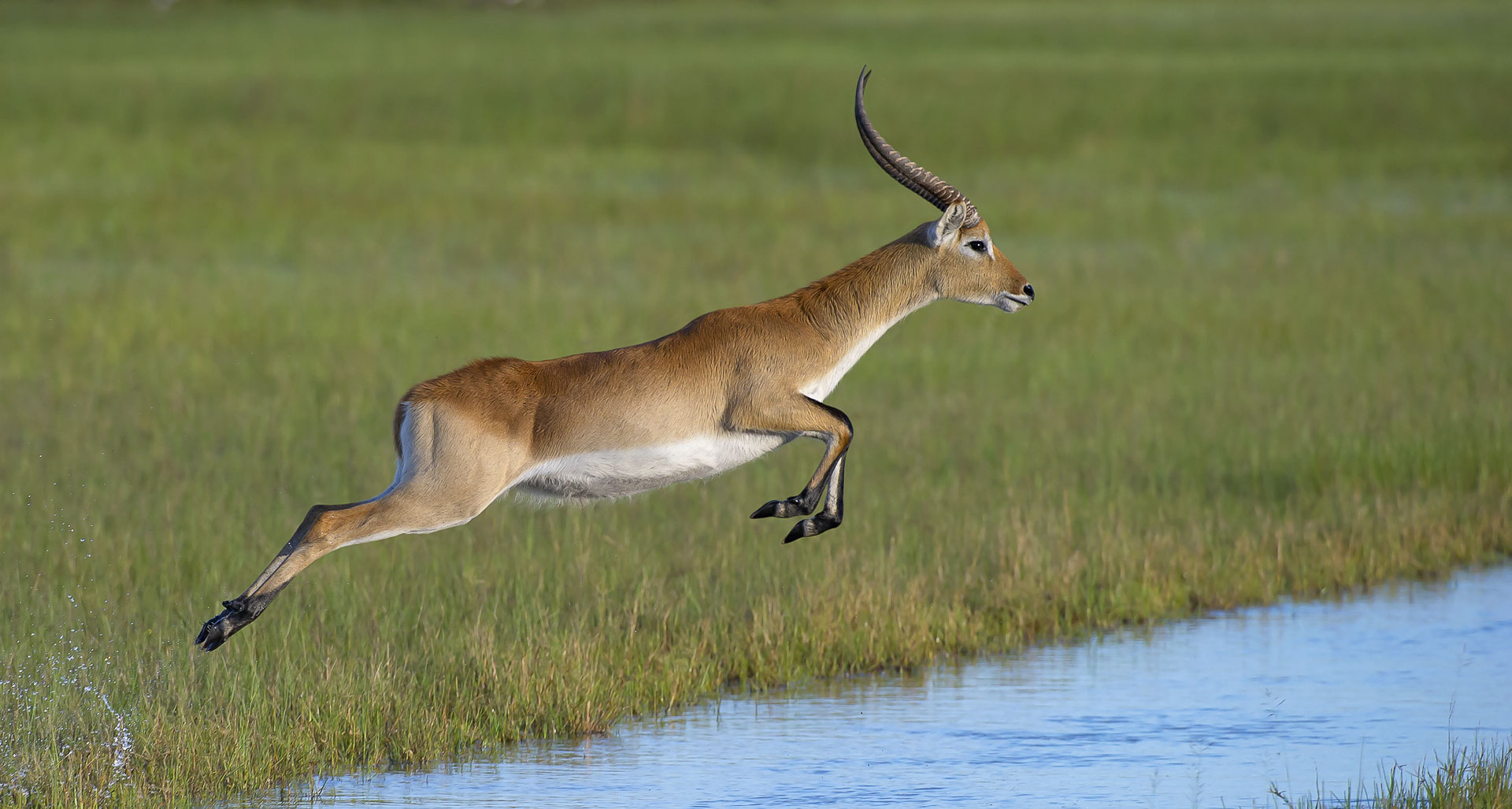
Lechwe photography provides a unique opportunity to capture an antelope specially adapted to Africa’s wetlands. Found in some of the continent’s most beautiful floodplain ecosystems, lechwe are known for their elegant movements through shallow water and their striking appearance.

Key Facts
Types and Habitats
There are three recognized subspecies of lechwe: the red lechwe (Kobus leche), the Kafue lechwe (Kobus leche kafuensis), and the Nile lechwe (Kobus megaceros). Each subspecies has its own range and habitat preferences.
Red lechwe primarily inhabit the floodplain regions of Botswana, Zambia, and Angola, where they are well adapted to living in wetlands, marshes, and grassy floodplains. Kafue lechwe is endemic to the Kafue Flats in Zambia, where they thrive in the swampy grasslands and floodplains. Nile lechwe, found in South Sudan and Ethiopia, inhabit the swamps and floodplains along the Nile River.
These different types of lechwe share a preference for watery habitats and are specialized to exploit the resources found in these environments. They graze on the lush grasses and aquatic vegetation, taking advantage of the abundant food sources available in wetland ecosystems.
FAQ
Explore the Fascinating World of This Animal Through These Frequently Asked Questions (FAQs)
Where can I photograph lechwe antelope?
What makes Red Lechwe unique?
When is the best time to photograph lechwe?
What camera equipment is best for lechwe photography?
Why are lechwe often photographed in the Okavango Delta?