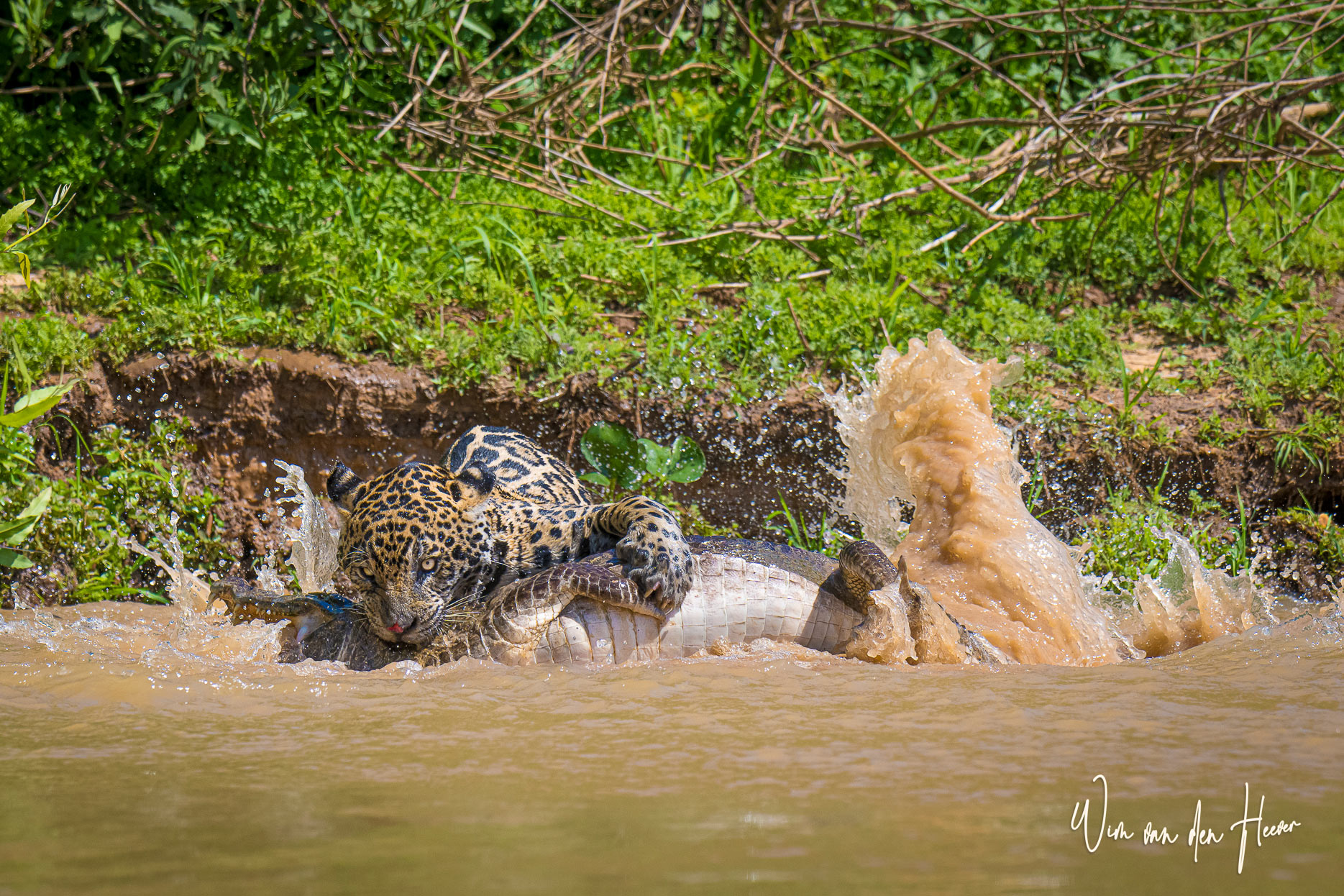
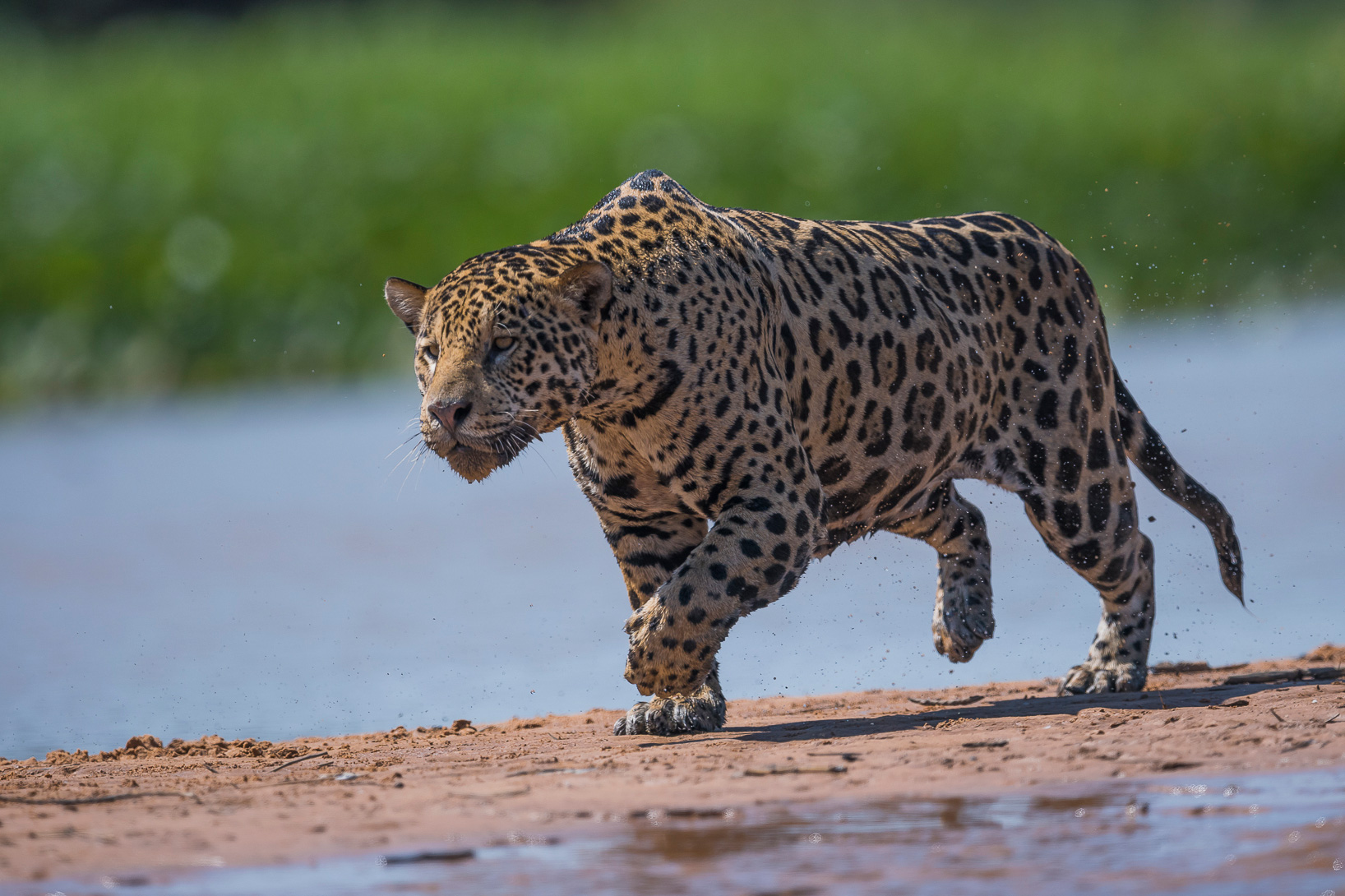
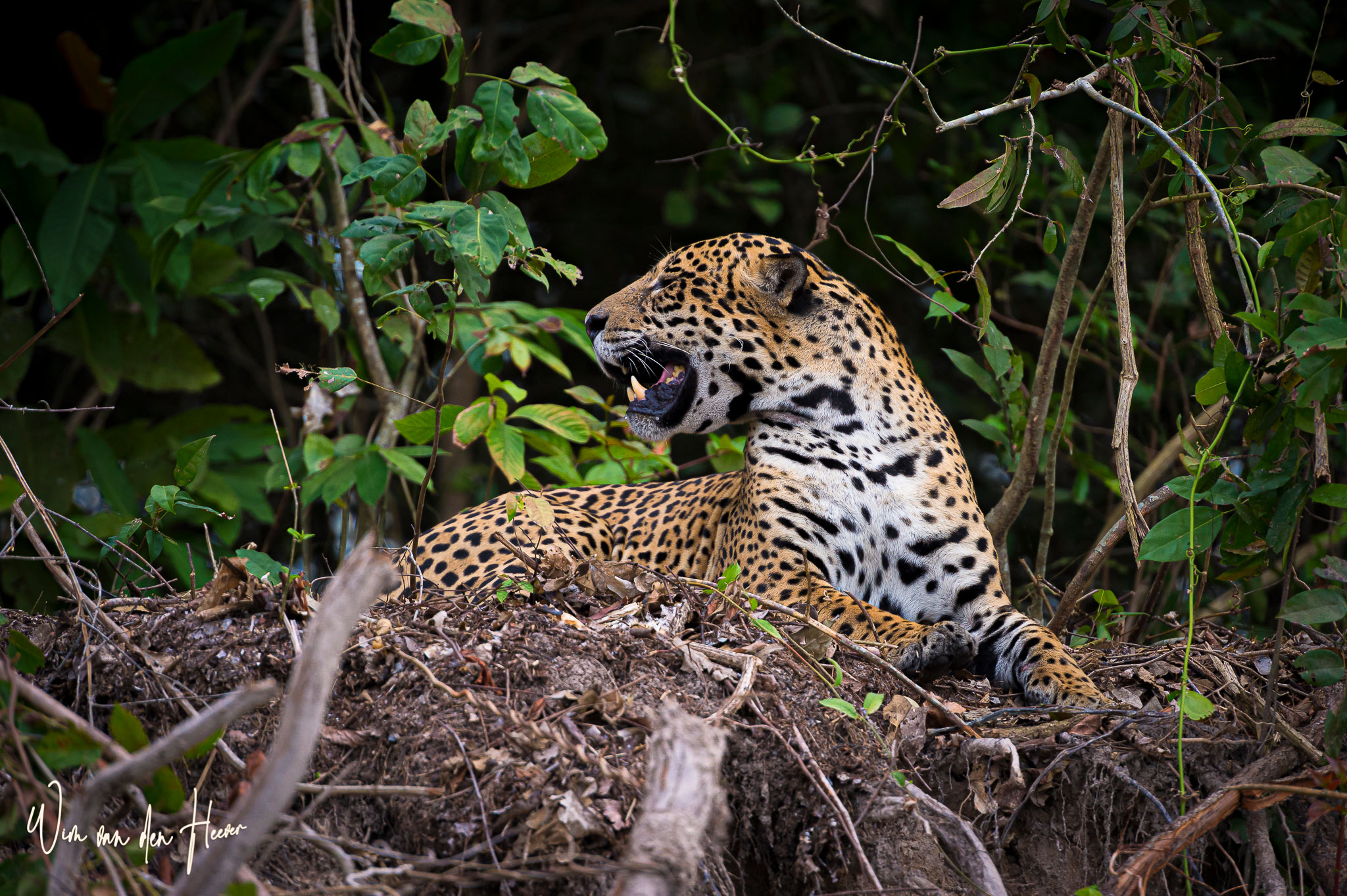
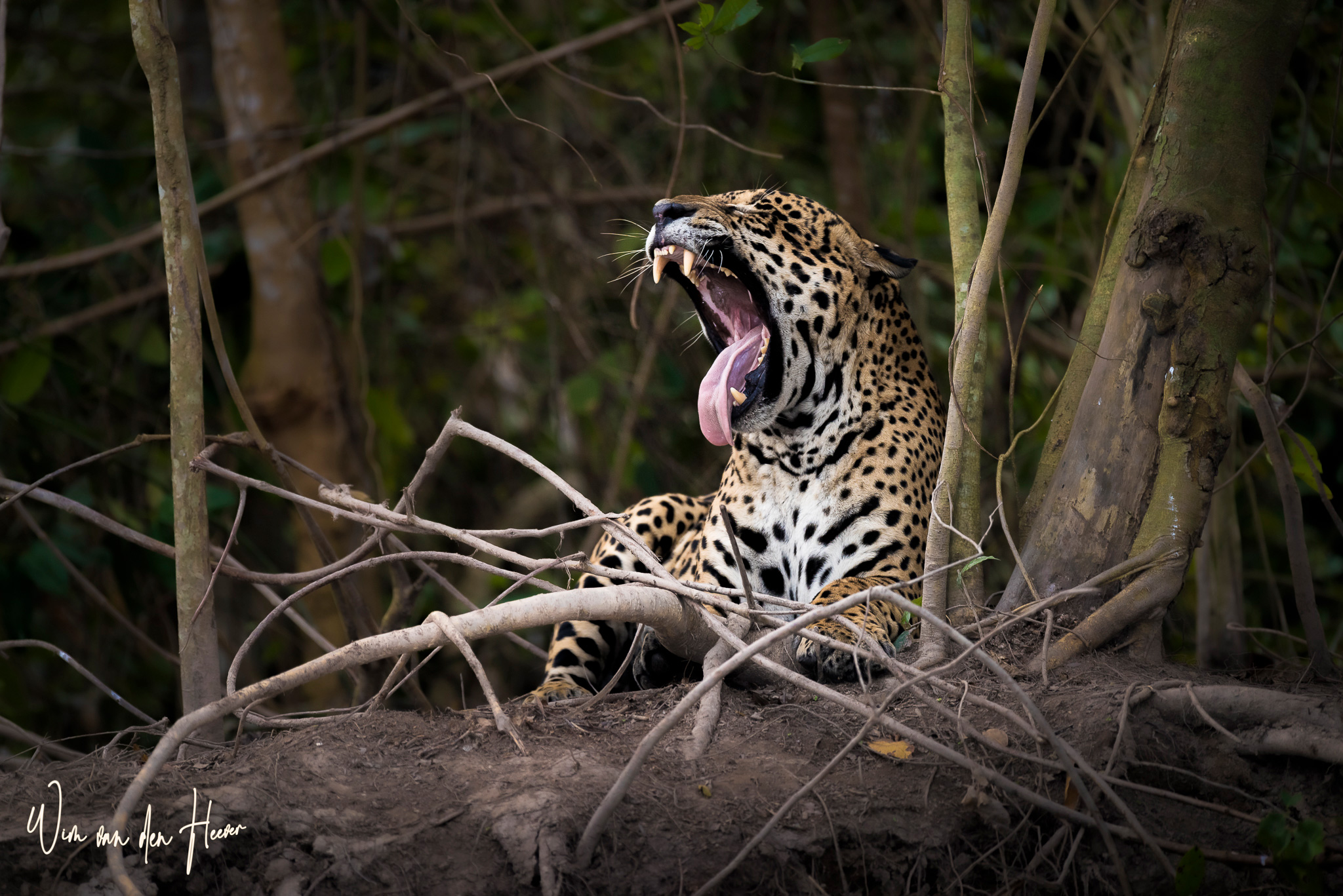
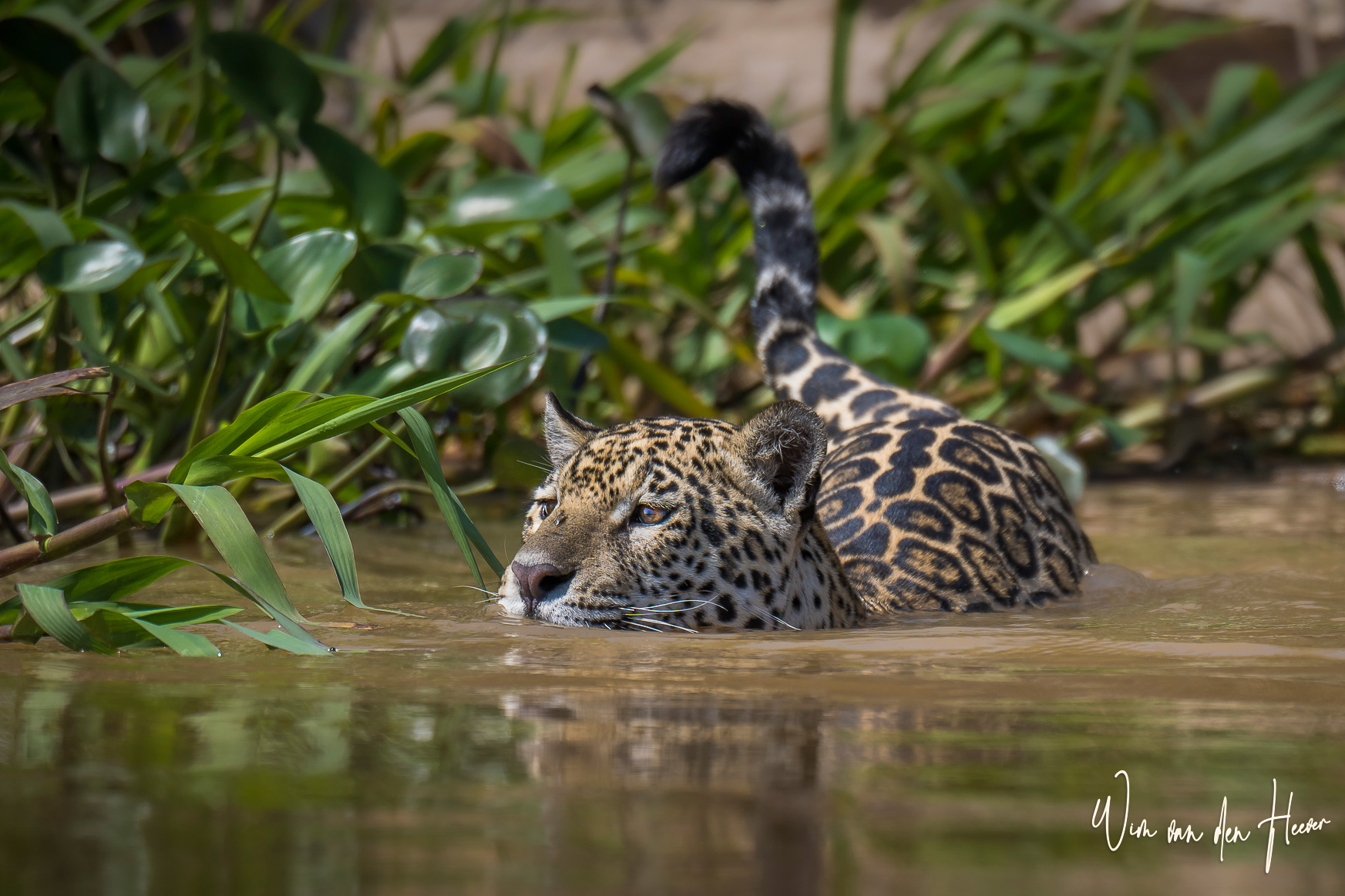
The jaguar has a powerful, muscular build, making it one of the top predators in its environment.
The Jaguar, scientifically known as Panthera onca, is a magnificent big cat species known for its striking appearance and powerful physique.
Jaguar photography offers one ofthe world’s most exciting wildlife experiences. These powerful and elusive bigcats are known for their beautiful rosette patterns, strength, and remarkablehunting abilities. Discover where to photograph jaguars, the best conditionsfor sightings, recommended equipment, and techniques for capturing one of theAmericas’ most iconic predators.
Find them at the following tours
Our photo safaris are designed to bring you as close to the wild as possible, so that you can watch and photograph these extraordinary animals in their natural habitat.
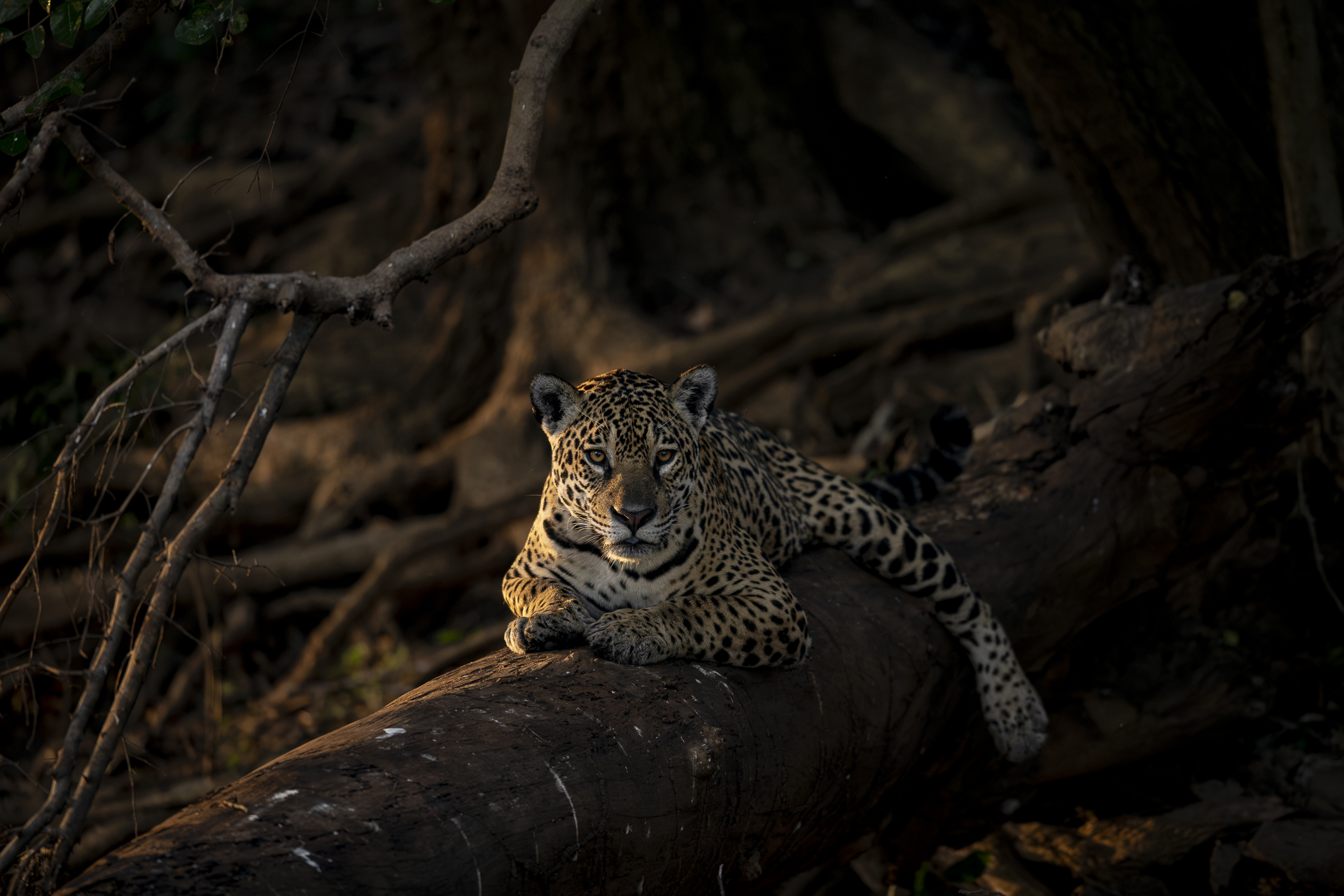
Overview
Jaguar photography offers one of the world’s most exciting wildlife experiences. These powerful and elusive big cats are known for their beautiful rosette patterns, strength, and remarkable hunting abilities.

Key Facts
Types and Habitats
The Jaguar is a species with several recognized subspecies, each inhabiting different regions of the Americas. Some of the notable subspecies include the Pantanal jaguar, Amazon jaguar, and Central American jaguar.
Jaguars are predominantly found in dense forests, swamps, and grasslands. They have a broad distribution across various countries, including Brazil, Mexico, Peru, Argentina, and Belize.
Jaguars are highly adaptable and thrive in a range of environments, from dense rainforests and wetlands to savannahs and dry scrub. They’re opportunistic hunters, adjusting their tactics to suit the terrain. Skilled climbers, they may lie in wait on tree branches above game trails, and unlike most big cats, they’re strong swimmers, often crossing rivers or hunting in water.
FAQ
Explore the Fascinating World of This Animal Through These Frequently Asked Questions (FAQs)
Where is the best place to photograph jaguars?
Why are jaguars popular with wildlife photographers?
When is the best time to photograph jaguars?
What camera lens is best for jaguar photography?
What do jaguars hunt?