
Why the Lower Zambezi National Park is a Dream for Photo Safaris in 2026

What if you could photograph a massive bull elephant from just inches above the water, without another safari vehicle in sight? It sounds like a dream, but in Zambia, it's a daily reality. Most photographers understand the frustration of crowded sightings and repetitive, dusty backgrounds that make every shot look the same. You want something unique, quiet, and visually spectacular.
If you've been searching for a fresh perspective, you'll soon see Why The Lower Zambezi National Park for a photo safari is the top choice for 2026. This hidden gem offers a private, multi-dimensional studio where the river and ancient forests create backgrounds you won't find anywhere else in Africa. We'll explore how to capture those "dreamy" forest shots, master the art of water-level photography, and enjoy the luxury of unhurried sightings that let you focus on your creative craft.
The Lower Zambezi isn't just about the animals; it's about the spectacular stage they walk on. The Faidherbia albida, or Winter Thorn forests, are the true stars of the landscape. Unlike most trees in Africa, they stay green during the dry season. This habit creates a high, lush canopy that feels like a natural cathedral. The ceiling of leaves filters the sun into soft, golden beams that wrap around the wildlife. It's exactly Why The Lower Zambezi National Park for a photo safari stands out from the flat, yellow grass of the typical savannah.
Beyond the forest floor, you have the dramatic contrast of the Zambezi Escarpment. These mountains rise sharply in the distance, providing a dark, moody backdrop that makes your subjects pop. When you combine the sparkling river, the green forest, and the distant mountains, your portfolio gains a level of texture and depth that is hard to find elsewhere. This stunning mix of scenery explains Why The Lower Zambezi National Park for a photo safari is so highly recommended for 2026. You aren't just taking a photo of an animal; you're capturing a masterpiece of natural design.
Shooting in these forests requires a slight shift in your creative approach. The light here is often a soft, blueish-grey during the winter months, which is incredibly forgiving for animal textures. To get those "dreamy" shots people love, try these simple tips:
Position yourself so the sun is behind your subject. This creates a glowing outline that separates a leopard or elephant from the dark forest shadows.
The tall, straight trunks of the Albida trees create beautiful vertical lines. Use that space to give your subject room to "breathe" in the frame.
Our expert hosts on Scheduled Tours are always on hand to help you navigate these tricky lighting conditions. They understand how to find the perfect angle so you can focus on the art of the shot rather than the settings on your camera.
Imagine waiting for a leopard to descend from an ancient tree without three other vehicles jockeying for position. This sense of space is exactly Why The Lower Zambezi National Park for a photo safari is so special. With roughly 15,000 to 20,000 visitors annually, the park feels like a private wilderness. There are no "ticking clocks" at sightings. This freedom allows you to wait for the perfect moment of behavior, like a lioness calling her cubs or a wild dog pack preparing for a hunt.
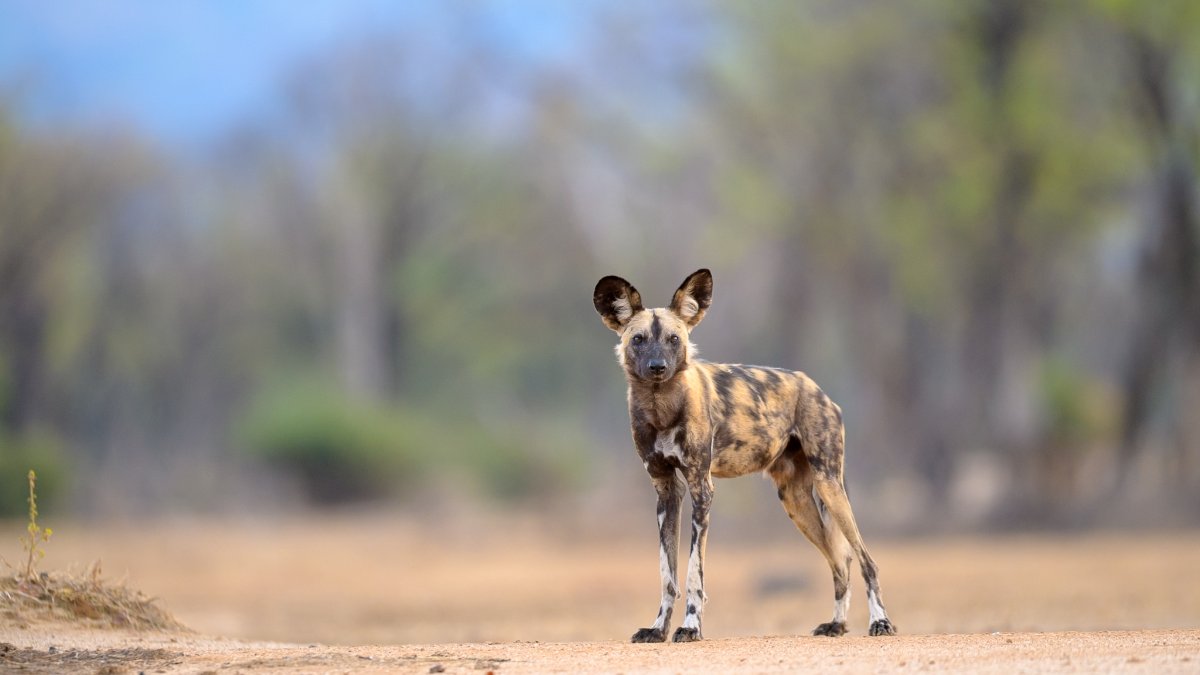
The wildlife here is diverse and accessible. You'll encounter the "Big Four," which includes lions, leopards, elephants, and the rare African wild dog. The elephants provide some of the park's most iconic imagery. Watch them navigate the river channels or stand tall on their hind legs to reach nutritious Albida pods. These unique behaviors offer dynamic shots, which is Why The Lower Zambezi National Park for a photo safari is a favorite for professionals. Having an expert host helps you reposition your vehicle for the best light, making all the difference in your final frame.
Step onto a boat to truly transform your perspective. Shooting from the water level gives you an intimate, eye-level view of a massive bull elephant drinking. This low angle creates clean, minimalist backgrounds and stunning reflections that simply aren't possible from a land-based vehicle. It's also a paradise for bird photography. You can drift remarkably close to a Malachite Kingfisher, capturing every vibrant blue and orange feather against a smooth water backdrop. If you prefer a trip tailored to these specific water-based moments, our Custom Tours offer the perfect flexibility.
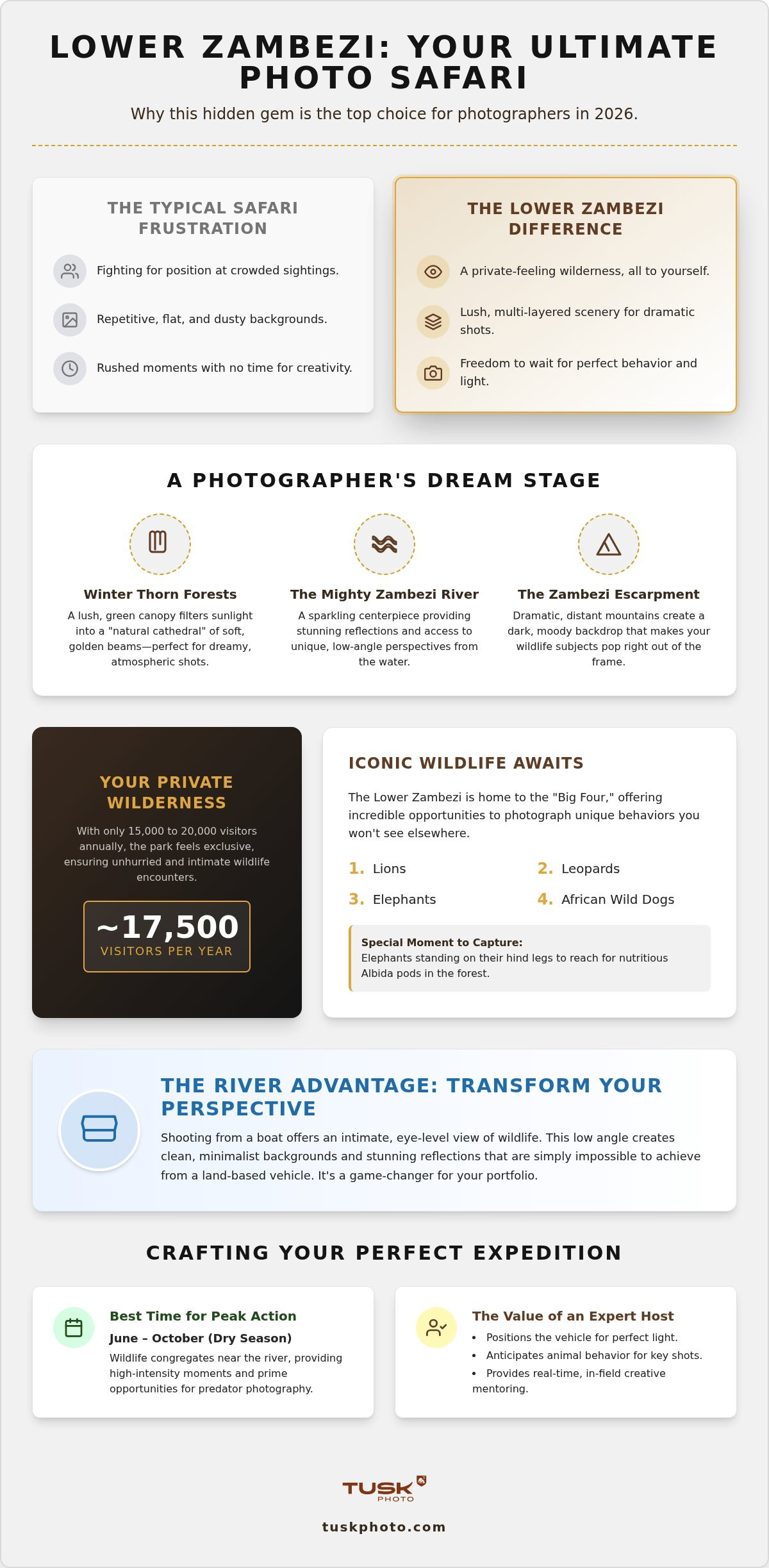
Understanding Why The Lower Zambezi National Park for a photo safari is right for you often comes down to timing. For peak predator action, aim for the dry season between June and October. This is when wildlife gathers at the river, offering those high-intensity moments every photographer craves. Think about your specific portfolio goals before you book. Are you chasing the perfect leopard shot in the forest, or do you want to capture the massive elephant crossings? Your focus will help you choose between our Scheduled Tours and a more flexible, bespoke journey.
Choosing the right format depends on how you like to work. A scheduled departure is a fantastic way to share the experience with other enthusiasts. However, if you have a very specific list of shots to tick off, our Tailor Made Tours give you total control over the itinerary. This flexibility is a big reason Why The Lower Zambezi National Park for a photo safari is so popular with serious hobbyists and pros alike. We handle all the complex logistics so you can focus entirely on your viewfinder.
A great photo isn't just about being in the right place; it's about being in the right light. Our hosts are masters at reading the environment. They don't just find the animals. They position the vehicle or boat to ensure the light hits your subject perfectly. You'll also benefit from real-time, in-the-field workshops. Whether you're struggling with the high-contrast forest shadows or want to try a new panning technique, your host is there to mentor you through the process. This expert support turns a standard trip into a world-class photographic expedition.
The Lower Zambezi is more than just a destination; it's a creative playground where every turn of the river offers a new perspective. From the cathedral-like light of the Winter Thorn forests to the intimate, eye-level views from a boat, it's clear Why The Lower Zambezi National Park for a photo safari is a must-visit in 2026. You won't have to fight for space or rush your shots. Instead, you'll have the time and expert guidance needed to truly master your craft.
At Tusk Photo, we provide expert photography hosts on every trip to ensure you're always in the right light. Our small group sizes guarantee maximum access to every sighting, while our bespoke itineraries are tailored to your specific gear and goals. Don't miss out on this rare opportunity to photograph Africa's most iconic wildlife in total peace. Explore our upcoming Lower Zambezi photography tours and secure your spot today! We can't wait to help you capture the shots you've always dreamed of.
The best time for a photo safari is during the dry season from June to October. During these months, animals gather around the river and water sources, making them much easier to find and photograph. Many lodges actually close during the rainy season from November to April because the roads can become difficult to navigate. This dry window is Why The Lower Zambezi National Park for a photo safari is so productive.
You can expect to photograph a huge variety of animals, including lions, leopards, and large herds of elephants. The park is also famous for its rare African wild dogs and over 400 bird species like the Malachite Kingfisher. Whether they are crossing the river or feeding in the forest, the wildlife here is active and offers plenty of unique action shots for your portfolio.
While scheduled tours are great for meeting other photographers, a tailor-made tour offers more flexibility for your specific goals. Having a professional host is the real key because they help you master the tricky light in the forest. This expert guidance is a big reason Why The Lower Zambezi National Park for a photo safari works so well for those wanting to capture world-class images.
Yes, the park is safe for photography expeditions when you travel with professional guides who understand animal behavior. It's important to remember that the area is a malaria zone, so you should chat with your doctor about preventative medicine before you go. Following park rules, such as staying within the gates between 06:00 and 18:00, ensures a secure and enjoyable experience for everyone.


