
Why Lower Zambezi is the Ultimate Photo Safari Destination

Have you ever felt like just another face in a crowd of safari trucks, fighting for a glimpse of a leopard through a forest of lenses? It's a common frustration for photographers who want more than just a standard tourist experience. Forget the crowds. If you're looking for something truly different, you might be wondering why The Lower Zambezi National Park for a photo safari is becoming the top choice for creators. With the Zambian government recently waiving visa requirements for 167 nationalities, accessing this 4,092 square kilometer wilderness is simpler than ever. It's a place where the "bus-style" safari disappears, replaced by quiet moments and unique perspectives.
We understand that you're looking for a portfolio that stands out, not just the same shots everyone else has. You want expert guidance on lighting and a relaxed environment to capture that perfect frame without feeling rushed. In this guide, we'll explore how the park's misty forests and eye-level river encounters create a natural studio for your lens. From the 400 bird species to the dramatic mountain backdrops, you'll discover how to get those rare shots without the stress of crowded sightings. We'll show you how a professional approach can turn a simple trip into a creative breakthrough in the heart of Africa.
The magic of this park lies in its dramatic geography. On one side, you have the wide, winding Zambezi River; on the other, the steep Muchinga Escarpment rises up like a giant wall. This creates a natural "bottleneck" that keeps wildlife concentrated on the valley floor. Because the animals stay close to the water, you don't have to spend hours searching through thick bush. Understanding why The Lower Zambezi National Park for a photo safari stands out becomes clear the moment you see how these landforms work together to keep the action right in front of your lens.
One of the best parts about working here is the lack of crowds. Unlike the busy circuits in other parts of Africa, you won't find twenty vehicles surrounding a single lion. This peace allows for a much slower, more intentional pace. You can sit with a subject for an hour, waiting for the light to hit just right or for a predator to start moving, without feeling the pressure of other tourists pushing for a spot. It's a rare luxury that lets you focus entirely on your craft.
The park is famous for its beautiful groves of Ana trees, also known as Winter Thorns. These trees create a blue-green canopy that filters the sun into a soft, "cathedral-like" light. Because there's almost no undergrowth, the forest floor is clean and open. This makes it much easier to track a leopard on the move and capture shots without distracting sticks or bushes in the way. As the sun dips, a soft blue glow settles over the valley while delicate mists begin to rise from the damp earth between the trees. These conditions are a dream for anyone looking to add moody, artistic pieces to their portfolio during our scheduled tours.
While nature keeps these Zambian groves clear, professional land care is often necessary to maintain similar accessibility and safety in other regions; for those curious about expert land clearing or utility corridor maintenance, check out Timber Wolf Forestry Services for insights into professional vegetation management.
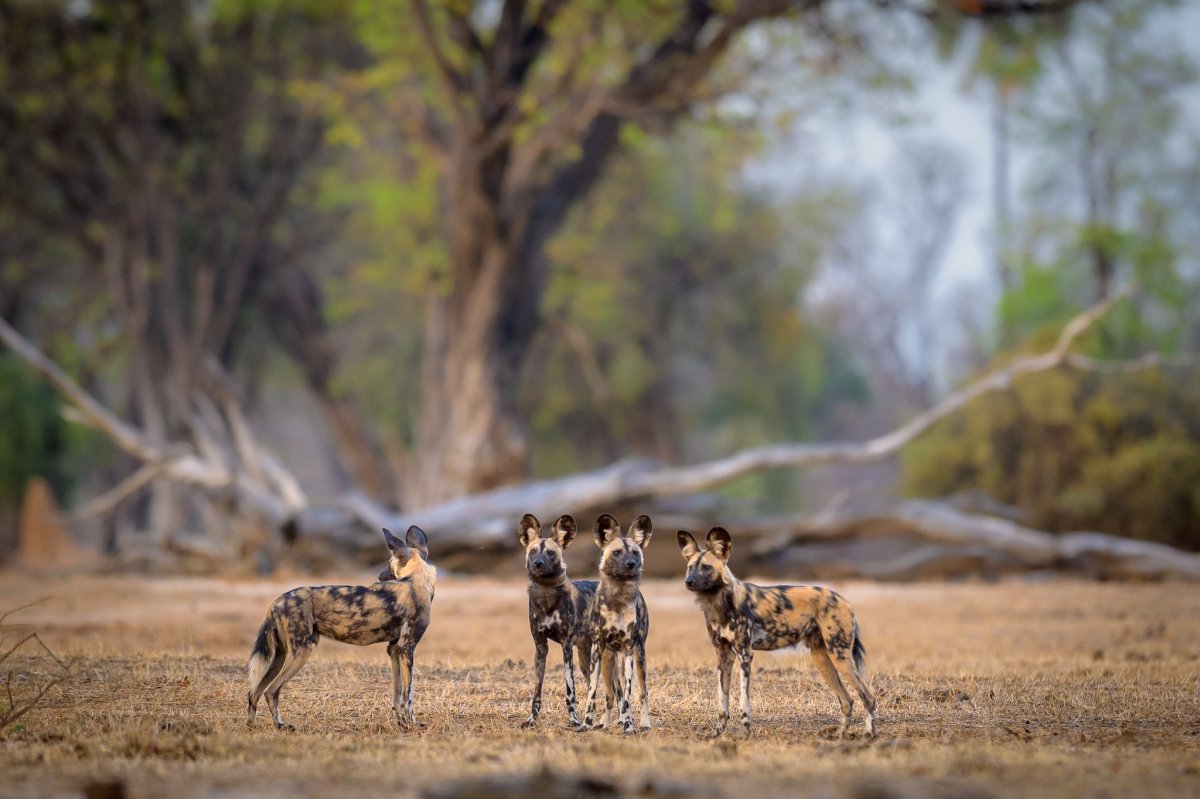
Leopards are the absolute stars of the show here. If you've been wondering why The Lower Zambezi National Park for a photo safari is so highly rated, it's because of this incredible visibility. Unlike other parks where they hide in thick brush, the valley's open layout means you often see them patrolling the ground or resting in the low branches of mahogany trees. You'll also find that the local lions and wild dogs love the open floodplains. This gives you a clear line of sight with the dramatic mountains in the background. It's a perfect setup for high-action shots, especially when the predators are on the move across the short grass.
The elephants here are famously calm. They often wander right through the camp or wade across the river channels just a few meters from your boat. When you're at water level, you can capture the incredible texture of their skin and the massive scale of their tusks. To make your portraits stand out, try to include the Muchinga Escarpment in the frame. This gives your photos a sense of place that shows exactly why The Lower Zambezi National Park for a photo safari is so unique compared to a flat savannah.
Because the forest floor is so clear, you get rare chances to photograph leopards walking through the grass rather than just seeing a tail in a tree. The biggest challenge is often the light. The Ana trees create patches of bright sun and dark shade. Our expert guides help you position the vehicle so the light hits the leopard's face perfectly, avoiding harsh shadows. It's this kind of field tuition that helps you nail the shot every time.
Don't forget the birds. From the bright Carmine Bee-eaters that arrive in the later months to the majestic Fish Eagles, the river is full of color and movement. If you're ready to start planning your own shots, our tailor made tours can be designed around the specific wildlife you want to see most. Whether you're after predators or birds, the valley offers a high-quality sighting around every corner.

Planning a trip to this remote corner of Zambia doesn't have to be a logistical headache. We handle the complicated details so you can focus entirely on your art. You can choose to join a scheduled departure photography tour where you'll learn alongside other passionate creators in a structured, friendly environment. These groups are kept small. This ensures you always have the best seat in the vehicle or boat for that critical shot. If you have a specific creative vision or want to move at your own pace, a custom tour gives you total freedom. Take a look at our tour dates for 2026 to find a time that fits your schedule. Understanding why The Lower Zambezi National Park for a photo safari is so special becomes much easier when you have an expert guide helping you navigate the terrain.
The dry season, running from June to October, is widely considered the "golden window" for wildlife photography. As the inland water holes disappear, animals are forced toward the river, creating constant opportunities for action shots. If you prefer lush, vibrant green landscapes and dramatic storm clouds, you might love the "Emerald Season" earlier in the year. It offers a completely different mood and incredible light for landscape work. Deciding why The Lower Zambezi National Park for a photo safari is right for you often depends on the specific "look" you want for your portfolio.
Pack a variety of lenses to cover every possible scenario. A wide-angle lens is perfect for capturing the scale of the mountains and the Ana tree forests, while a 400mm lens or longer is essential for the valley's famous birdlife. We highly recommend bringing beanbags or window mounts. These simple tools keep your camera steady in the safari vehicles and are lifesavers when you're tracking a leopard through the dappled light. Feel free to browse all Tusk Photo tours to find the adventure that best matches your gear and your goals.
The Lower Zambezi is much more than just another wildlife destination; it's a dedicated creative space where the light and landscape work together for your lens. You've seen how the open Winter Thorn forests and the unique river-level views provide angles you won't find in any other part of Africa. It is easy to see why The Lower Zambezi National Park for a photo safari has become a top priority for photographers who want to escape the crowds and focus on their art.
When you join us, you're not just booking a trip. You're stepping into a professional environment led by award-winning photography hosts. We keep our groups small to ensure you have maximum shooting time and the best possible position in every vehicle or boat. With the help of expert local tracking and specialized field tuition, you'll have the support you need to master tricky lighting and complex compositions. We handle all the logistics so you can stay focused on the wildlife right in front of you.
Start planning your dream Lower Zambezi photo safari here. We look forward to seeing you in the valley and helping you capture the shots you've always dreamed of.
Yes, it is an excellent place to start your journey. The open forest floor and clear lines of sight mean you don't have to struggle with complex backgrounds as much as in other dense parks. If you're still learning why The Lower Zambezi National Park for a photo safari is so popular, the answer lies in the expert guidance we provide. Our hosts help you with everything from camera settings to finding the best light in the field.
The dry season, which runs from June to October, is the absolute best time for wildlife viewing. During these months, animals congregate along the riverbanks because water is scarce elsewhere. This predictable behavior makes it much easier to plan your shots. It's the peak time to see why The Lower Zambezi National Park for a photo safari offers such consistent, high-quality sightings for your portfolio.
You don't need a special permit for personal photography, but you must pay the daily park entry fees. For international visitors, this fee is $25 per person per day. If you're a SADC national or resident, it's $20 per day. These fees are typically included in your tour package, so you won't have to worry about the paperwork while you're focused on your photography.
We recommend a versatile setup that includes a wide-angle lens for the stunning landscapes and a telephoto lens of at least 400mm for wildlife. Since you'll be shooting from both boats and vehicles, stability is key. A beanbag is often more useful than a tripod because it's easier to move and adjust in a shared space. Don't forget extra batteries and memory cards because the action can be fast and frequent.


