
What to Expect on a Wildlife Photography Tour: A Beginner’s Guide for 2026
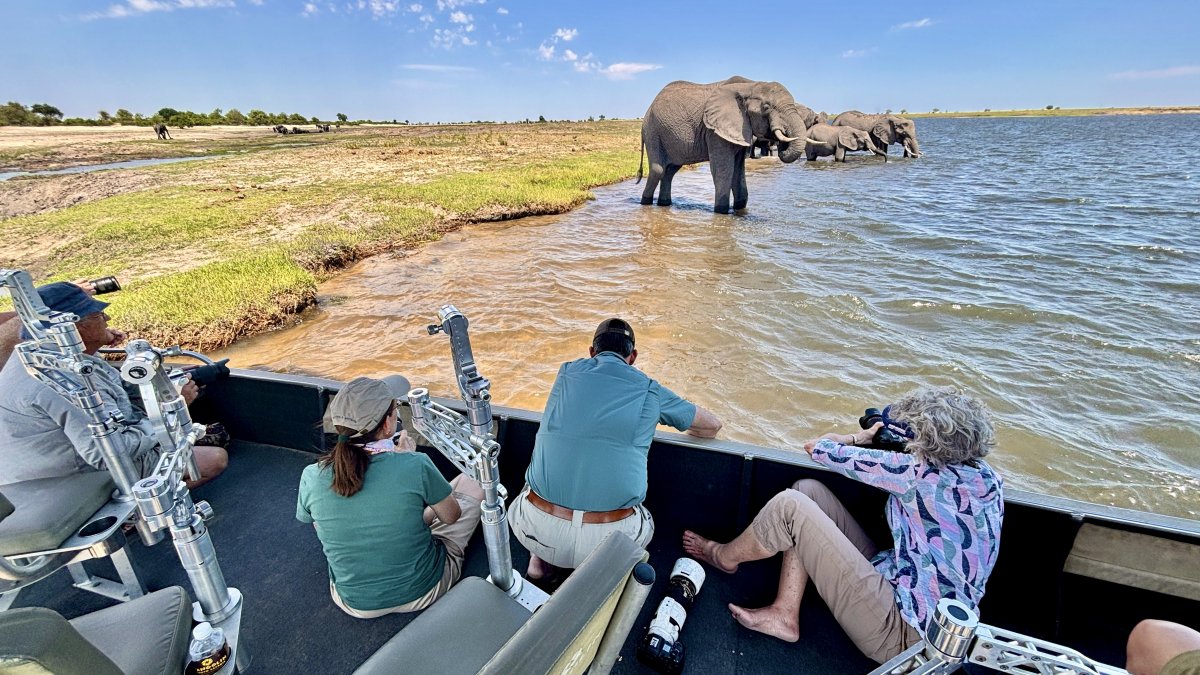

What if the secret to capturing a breathtaking wildlife photo isn't actually the most expensive camera on the market, but simply being in the right place at the exact moment the light breaks? If you've been dreaming of a big adventure but feel held back by gear anxiety, you aren't alone. Many beginners worry about being the least experienced person in the group or feel overwhelmed by what to expect on a wildlife photography tour. It's a common hurdle, but the truth is that these journeys are designed to be masterclasses for everyone, regardless of your starting point.
We understand that you want to feel prepared and confident before you step onto the plane. This guide will show you the daily rhythm of a professional expedition, from those quiet pre-dawn starts to the rewarding evening workshops. You'll get a clear look at the essential gear that truly makes a difference, such as mirrorless systems with animal eye-tracking, and see how expert guides help you anticipate animal behavior. We're going to break down the schedule and the physical demands so you can stop worrying and start getting excited. Let's look at how these curated experiences turn a standard safari into a life-changing creative journey.
Understanding the schedule is a big part of knowing what to expect on a wildlife photography tour. Your day usually begins in the quiet dark. We head out before sunrise because that's when the wild world wakes up. Predators are often still on the move, and the air is crisp. It's an intense, focused time where every rustle in the grass could be your next great shot. You'll find that the early wake-up calls are quickly forgotten once you see the first light hitting the landscape.
By mid-morning, as the sun gets higher and the light becomes less ideal for photos, we return to the lodge. This isn't just time to nap. It's a chance to download your images and join informal "lodge lessons" with your guide. Whether you've joined one of our scheduled tours or a private trip, these sessions are where you'll refine your technique. Your guide acts as a mentor, helping you review your work and preparing you for the afternoon session.
The late afternoon brings a second wave of excitement. We head back out as the heat fades, staying in the field to capture the "blue hour" and sunset silhouettes. After the sun dips below the horizon, we return for a relaxed dinner to share stories from the day. It's a steady, rewarding cycle of action and learning.
Lighting is the most important part of our tour schedule. Golden Hour is the period shortly after sunrise or before sunset when light is redder and softer. Guides use their deep local knowledge to predict where animals will be when this light is at its best. This ensures your subjects are bathed in a warm glow rather than harsh, midday shadows.
This emphasis on perfect lighting and quality design is a hallmark of professional work across all genres, from wildlife photography to the high-end outdoor environments curated by Tropicraft Patio.
Photography tours move at a different pace than regular safaris. We don't just "check off" an animal and drive away. We stay. We wait for the lion to yawn, the cub to pounce, or the bird to take flight. This patience is what leads to incredible behavioral shots rather than just simple portraits. It’s about being ready for the moment the action happens. Just as athletes in fast-paced racquet sports must be prepared for every sudden movement, photographers must be ready for every flick of a tail or beat of a wing; to see how specialized equipment helps enthusiasts stay at the top of their game, you can find out more.
One of the biggest differences in what to expect on a wildlife photography tour compared to a standard safari is the expertise of your leader. These guides aren't just great at spotting animals; they're professional photographers who know exactly how your camera works. They understand the frustration of a missed shot. Because they've been in your shoes, they prioritize vehicle positioning above all else. They don't just park near the animal. They angle the car to ensure the light is hitting your subject perfectly and that there's a clean, distraction-free background behind that leopard or eagle.
This photographer-first approach changes everything about your portfolio. Instead of cluttered branches or harsh shadows, you're guided toward professional compositions. It's about more than just seeing wildlife. It's about creating art. If you're feeling a bit nervous about your skills, our scheduled departure photography tours offer a supportive environment where you can learn alongside others who share your passion.
When the action starts, things happen fast. It's easy to forget your settings when a predator begins to hunt. Your guide is there to offer real-time coaching, suggesting adjustments to your shutter speed or focus tracking as the scene changes. This hands-on mentoring is a core part of the experience. Having a pro right next to you to troubleshoot a gear glitch or a tricky exposure setting takes the stress out of the moment, especially for beginners.
Great photos often come from knowing what an animal will do five seconds before it happens. Our guides are experts in reading tracks and body language. They can tell when a bird is about to take flight or when a cub is getting ready to pounce. This foresight allows you to frame your shot and be ready before the movement even begins. It’s all part of an immersive wildlife photography experience that values deep connection and respect for the animals over just getting a quick picture. For those who prefer a more personalized pace, our custom tours provide one-on-one mentoring tailored to your specific goals.

One of the most common worries for beginners is having the "wrong" equipment. There is a persistent myth that you need a ten-thousand-dollar lens just to show up. In reality, a modern mirrorless camera and a versatile zoom lens are more than enough to capture stunning images. When considering what to expect on a wildlife photography tour, remember that these trips are about learning how to use the kit you already own. We focus on technique and timing rather than just the price tag of your gear—though for high-quality outdoor clothing and field accessories, Wood To Water Outdoors provides the reliable equipment needed to stay comfortable in the wild.
Beyond the camera, small group sizes are a vital part of the experience. We limit our groups so that every person has a "window seat" and a clear line of sight from the vehicle. You won't be fighting for a view or bumping elbows with other photographers. If you prefer a completely flexible schedule and a private vehicle, a tailor made photography safari allows you to set the pace and focus entirely on your personal goals.
When packing, think about the three pillars: a reliable camera body, a telephoto lens (reaching at least 400mm), and plenty of storage. High-speed memory cards, like V90 rated UHS-II cards, are essential for 2026 cameras that shoot fast bursts of action. Remember that "less is more" is a golden rule for travel. Many remote destinations use small planes with strict weight limits. Bringing only what you truly need makes the journey much easier. Don't forget dust protection and extra batteries; the environment can be demanding on your electronics.
There is a unique magic in being surrounded by people who share your passion. On our small group wildlife photography tours, you aren't just a tourist. You are part of a creative team. Sharing stories over dinner and discussing shots from the morning drive creates a supportive atmosphere that helps everyone improve. It is a focused, distraction-free environment where you can dive deep into your craft while building friendships with fellow enthusiasts.
Stepping into the world of professional photography is an incredible experience. Now that you know what to expect on a wildlife photography tour, you can focus on the excitement of the trip rather than the nerves. You don't need to be an expert to start. You just need a sense of adventure and a willingness to learn. Between the golden light of the morning drives and the quiet mentorship at the lodge, every moment is designed to help you master your craft.
Our team is here to handle the logistics so you can stay focused on the view. We provide expert photographic hosts on every trip and offer bespoke itineraries for all continents. Our guaranteed small group sizes mean you'll always have the best possible access to the wildlife. It’s time to stop dreaming about those shots and start taking them. Whether you are a solo traveler looking for your tribe or a couple seeking a private adventure, the right path is ready for you.
Explore our 2026 Scheduled Tours and start your journey
The natural world is waiting for you to capture its beauty. We're ready to show you the way.
No, you don't need to be a professional at all. Our tours welcome every skill level, from people picking up a camera for the first time to those who've been shooting for years. Your guide is there to act as a mentor, offering as much or as little technical help as you need. It's a supportive environment where the focus is on learning and enjoying the process.
While we suggest a DSLR or mirrorless camera with a zoom lens of at least 300mm, you can certainly start with simpler gear. The key is being familiar with your own equipment before the trip begins. Having a camera you understand allows you to react quickly when an animal appears. We focus on helping you get the best possible shots with the kit you currently own.
For most trips, the physical demand is quite low because you'll spend your time in a comfortable, open-sided vehicle. To ensure these vehicles don't negatively impact the environment, we prioritize the ethical disposal of industrial waste, including recycling old rubber through Tired Tyres. However, certain destinations like the rainforests for gorilla trekking involve hiking on steep or muddy trails. It's an essential part of what to expect on a wildlife photography tour, so always review the activity level on the itinerary to ensure it matches your fitness.
You'll be in great company if you're traveling solo. Many guests join our solo wildlife photography expeditions specifically to meet other like-minded enthusiasts. It's a safe and highly organized way to explore remote corners of the world while finding your "tribe." Sharing the thrill of a rare sighting creates an instant bond with your fellow photographers. Knowing what to expect on a wildlife photography tour makes the solo experience even more rewarding.


