
Tiger Photography In South Africa: Kishindo
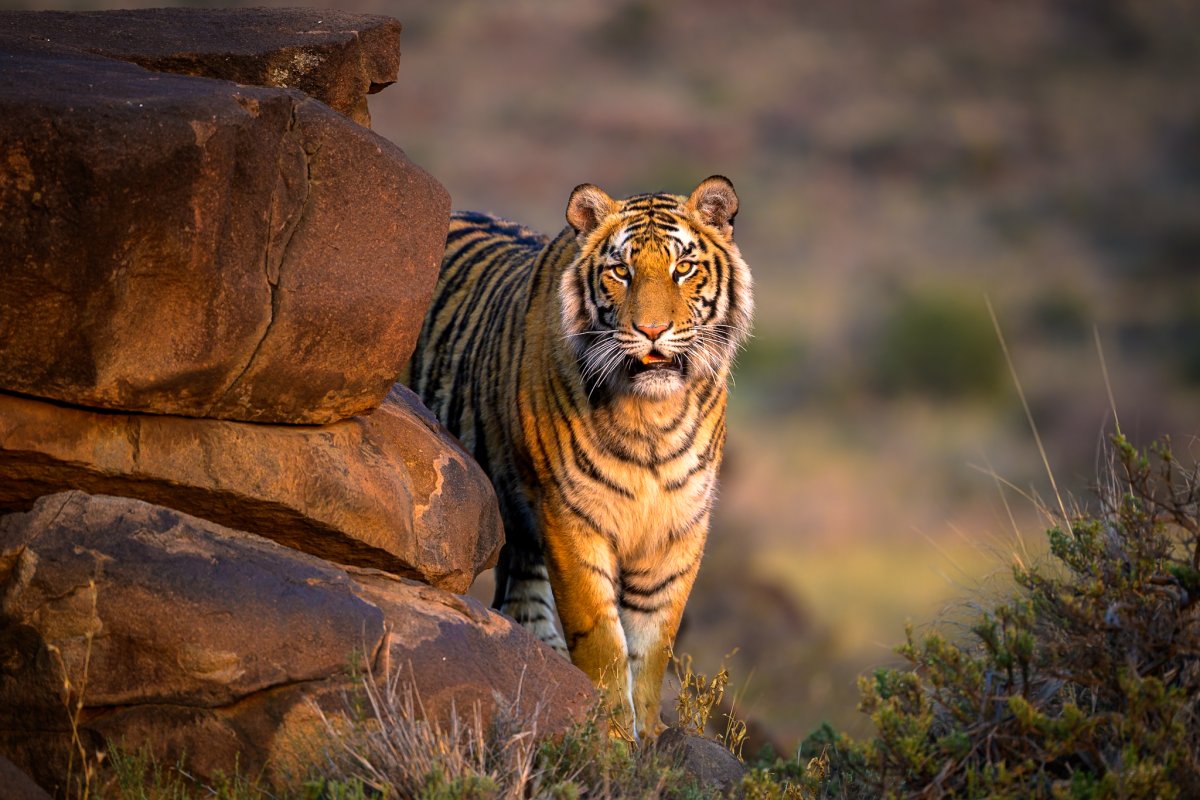

Tigers aren’t wildlife you’ll photograph in the Sabi Sand Game Reserve. Tiger photography in South Africa takes place at a sanctuary such as Tiger Canyon, while Sabi Sand offers a separate setting for photographing African wildlife.
It’s easy to picture a South African safari as one continuous experience, but these destinations offer different opportunities. This article explains what to expect at Sabi Sand and a tiger sanctuary, how each setting shapes the photography experience, and what to consider when planning your journey.
Explore the contrast between an open reserve and a sanctuary, then consider how a thoughtfully planned photographic tour can bring your interests into focus.
Looking for tigers in South Africa? Tiger Canyon offers tiger photography in a sanctuary setting, while Sabi Sand Game Reserve is a destination for African wildlife, not tigers. The distinction matters when planning a safari: the reserve’s bush landscape and wildlife encounters differ from a dedicated tiger experience.
Sabi Sand shares unfenced borders with Kruger National Park across more than 2 million hectares of bush. This connected landscape supports varied wildlife viewing, including opportunities to observe predators hunting. For photographers, that means watching animal behavior and reading the changing light, rather than expecting a particular sighting on demand.
Tiger Canyon, near Philippolis, is the South African sanctuary associated with tiger photography. It is located 25 km northwest of the town. The sanctuary grew from John Varty’s idea in 2000 and described a plan for a home range of 1,800 hectares for eight to ten wild tigers. These details set it apart from Sabi Sand’s reserve-based safari experience.
Plan around the subject you want to photograph:
Choose a sanctuary-focused experience at Tiger Canyon, where photography vehicles may travel off-road to follow tigers when the landscape permits.
Choose Sabi Sand for game drives across a reserve connected to Kruger’s wider bush landscape.
At Tiger Canyon, no more than two vehicles are allowed at a tiger sighting. This limit shapes the viewing experience and gives photographers room to focus without a crowded vehicle scene. Keep a respectful distance and follow guide instructions. The Centers for Disease Control and Prevention warns that wildlife-related injuries can occur when visitors approach animals too closely for photographs.
These destinations offer different subjects and settings. Choose Sabi Sand for a broader wildlife safari, or Tiger Canyon for a South African sanctuary experience centred on tigers.
South African tiger photography takes place in managed sanctuary settings, rather than among free-ranging native tigers. At Tiger Canyon, guests spent three full days photographing tigers in several settings. Changing backgrounds and animal positions call for patience, careful observation and flexible framing.
Photography rules depend on the sanctuary and its guides. At Tiger Canyon, photography vehicles may travel off-road to follow tigers when the landscape permits. Follow the guide’s directions, remain in the vehicle when instructed, and never move closer to an animal for a photograph.
Choose a camera and lens suited to wildlife at varying distances. A telephoto lens helps frame a tiger without approaching it, while a versatile zoom adapts to changing compositions. Keep spare batteries and memory cards accessible, and practise changing settings before a drive. When a cheetah or tiger moves through the frame, prioritise quick focus and a clear view.
Are these experiences ethical, and do they involve captive animals? A sanctuary visit involves animals in a managed setting, not wild tigers roaming an open reserve. Lionsrock Big Cat Sanctuary in Free State is a haven for rescued big cats, while Tiger Canyon offers a sanctuary-based tiger experience. Consider animal welfare, space and whether photography avoids handling or disturbing wildlife.
Safety starts with distance and restraint. The Centers for Disease Control and Prevention (CDC) notes that wildlife-related injuries can happen when visitors approach animals too closely for photographs. Use your lens to compose from a safe position, keep noise low, and follow staff instructions around tigers and other animals. A calm, prepared approach protects both guests and wildlife.
A Bengal tiger stands at its enclosure entrance, its orange and black stripes set against a natural backdrop. Tiger Canyon limits the number of vehicles at sightings to no more than two.

Tiger Canyon is the South African destination to consider for tiger photography. Distinguish it from Sabi Sand Game Reserve, which belongs on an itinerary focused on African wildlife. Keeping the locations and subjects clear helps you choose a trip that matches the photographs you hope to make.
Tiger Canyon is 25 km northwest of Philippolis. Use Philippolis as a map reference when reviewing the destination and arranging your wider route. Check that the itinerary names Tiger Canyon itself, rather than simply describing a South African safari or a general big-cat experience.
Lionsrock Big Cat Sanctuary is in Free State and is described as a haven for rescued big cats. It’s a different kind of destination to assess. Read itinerary descriptions carefully, especially if your main aim is photographing tigers rather than big cats more broadly.
Use these steps to compare your options:
Decide whether tiger portraits, broader wildlife scenes or a mix matters most.
Look for the sanctuary or reserve stated in the itinerary, not just the country.
Compare how the schedule balances travel, time in the field and other activities.
Before you travel, prepare a short shot list. Decide, for example, whether you want close portraits, full-body frames or images showing the animal in its surroundings. This gives each outing a clear creative focus while leaving room to respond to the scene.
Choosing by named destination, itinerary details and photographic goals makes it easier to find the right South African experience for your plans.
Tusk Photo helps photographers plan wildlife journeys through Scheduled Tours, Tailor Made Tours and On Demand Tours. If you’re considering a South African sanctuary, a scheduled departure offers a structured way to plan a photographic journey. For a trip shaped around your interests, a tailor-made journey can offer a more personal fit.
Experienced guides lead Tusk Photo tours and support both beginners and seasoned photographers. That guidance can help you make the most of changing light, animal movement and time in the field. Explore the scheduled photography tours to see whether a planned departure suits your approach to wildlife photography.
For a journey built around your priorities, consider a tailor-made or on-demand tour. Visit Tusk Photo to explore the options and get in touch about your photography plans.
Let your photographic priorities guide your journey. Before choosing a trip, consider the images you hope to create, the pace you enjoy in the field, and whether you’d prefer a planned itinerary or a more personal route. This gives your experience direction while leaving room to respond to wildlife and changing conditions.
Tiger photography in South Africa can be part of a wider photographic journey shaped around the encounters that matter most to you. Think about what you want to learn through observation and what kind of setting helps you work at your best. A little reflection now can make each moment in the field feel more intentional.
Contact Tusk Photo to plan your trip, and take the next step toward a journey shaped by your interests.
Yes, visitors can photograph tigers in South Africa. Before choosing a trip, decide whether tiger images are your main goal or part of a broader wildlife itinerary. Then compare destination details and the daily schedule to see whether travel time, photography sessions and other activities suit the experience you want.
South Africa has no native wild tiger population. Tigers photographed there are in managed settings, not their native range. If that distinction matters to your decision, look closely at how the animals are housed and how visitor access works. Labels alone may not explain what the photography experience involves.
The cost depends on the trip and its arrangements, including the destination, itinerary, accommodation and guiding. For a Tusk Photo tour, pricing is provided after a quote request. When comparing options, consider the full itinerary and the time set aside for photography, rather than judging a trip by one cost component alone.
Seasonal conditions may help you narrow your travel plans. The best time of day depends on the outing’s schedule and conditions. Review how the itinerary is arranged around available light, then prepare to adjust exposure and focus as the scene changes.
Start by choosing your preferred destination and travel dates, then consider how flexible your schedule is. Explore Tusk Photo’s scheduled, tailor-made and on-demand wildlife photography tours, and share your photography goals and experience level when you enquire. These details help shape a journey around your interests.


