
The Aspiring Wildlife Photographer Journey: A Simple Guide to Getting Started
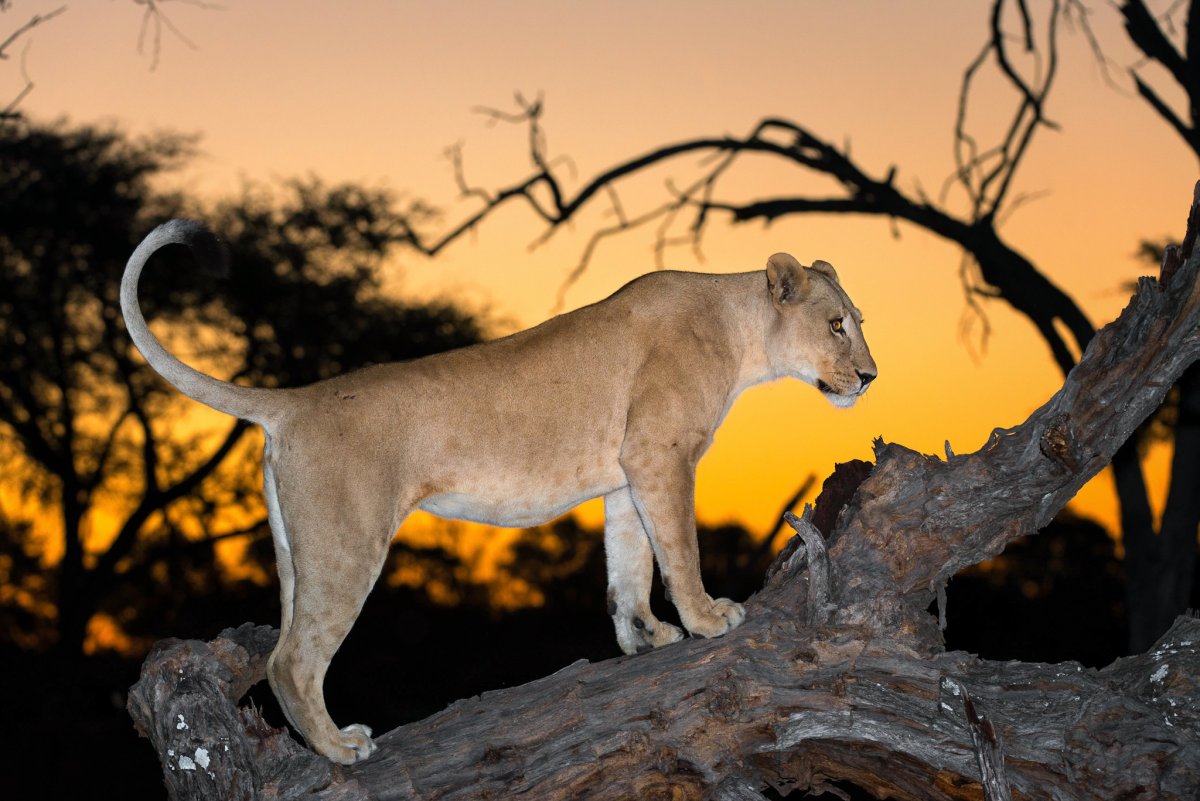

What if the secret to capturing a breathtaking image isn't a $10,000 lens, but a deep connection to the animal's story? It's easy to feel intimidated when you see professionals with massive gear or exotic locations. You might feel stuck with blurry shots or wonder where to even find wildlife to practice on without traveling across the globe. This uncertainty is a natural part of every aspiring wildlife photographer journey. We understand that frustration. Every expert started exactly where you are, feeling the same mix of excitement and hesitation.
This guide is designed to simplify your path from hobbyist to confident storyteller. We'll show you how to move past the frustration of boring photos and start creating images you're truly proud to share. You don't need the most expensive kit to get started. Even a capable mirrorless camera like the Canon EOS R7 can produce stunning results when you know how to use it. We'll explore the gear that actually matters, how to find subjects right in your own backyard, and the essential steps to becoming a master of the craft. From understanding the impact of the EXPLORE Act in U.S. National Parks to mastering the art of patience, we've mapped out a clear, professional path for your progression.
Focus on light and composition first, using whatever camera you already own. You don't need to wait for expensive equipment to start practicing. Great photography is about how you see the world, not just the tools you use. By mastering the basics with simple gear, you'll be much better prepared when you eventually decide to upgrade.
You don't need a massive lens to begin. Instead, look for gear that offers reach and speed. Reach helps you stay at a safe, respectful distance from animals, while speed ensures you don't miss a fast-moving subject. A versatile zoom lens is often better for beginners than a fixed lens because it lets you practice different styles without switching equipment. More importantly, you should know your camera's buttons by heart. In the field, things happen fast. You want to change your settings without looking away from the animal. If you're looking for a solid starting point, cameras like the Nikon Z50 II or the Canon EOS R7 are excellent choices that offer great features at a more accessible level.
Success starts in your own backyard or local park. These familiar places are the best classrooms for learning patience and animal movement. You might find that you love the challenge of tracking small, fast birds, or perhaps you prefer the quiet drama of a mammal in the woods. Finding a specific interest helps you focus your learning and build a portfolio you're proud of. Once you find what moves you, you can look into specialized experiences like Scheduled Tours to meet other people who share your specific passion. Exploring local biodiversity is the perfect way to build your confidence before heading to more remote destinations.
To truly grow in your aspiring wildlife photographer journey, you must learn to see like a naturalist. The best photographers are often the best observers of nature. They spend more time studying the environment than they do clicking the shutter button. To expand your understanding of the natural world, you can check out Natural World Publishing for insightful nature books. Instead of chasing animals, which usually just scares them away, try a "wait and see" approach. When you sit still and blend into the landscape, animals often feel comfortable enough to come to you. This patience results in more natural, intimate portraits that tell a much better story than a shot of a frightened animal running away.
Ethical photography is the foundation of this craft. You should never put a photo above the well-being of your subject. This means keeping a respectful distance and following local rules. For instance, as of March 5, 2026, NOAA Fisheries requires a permit to approach marine mammals like whales or seals for photography. Similarly, while the EXPLORE Act has made it easier for small groups to shoot in U.S. National Parks without complex permits, you still have to follow park rules to protect the habitat. If you respect the animal, you'll get better shots in the long run.
Understanding light is the fastest way to make your work look professional. The "Golden Hour," which happens just after sunrise and before sunset, provides a warm, soft glow that makes subjects pop. If you master this light, you could even enter the Journal of Wildlife Photography "Golden Hour" contest, which has a deadline on July 31, 2026. Learning to work with the sun rather than against it is a total game changer.
Successful photographers predict the future. They watch for small "tells" like a flick of an ear, a change in stance, or a bird ruffling its feathers. These signs tell you an animal is about to move or take flight. Try spending 10 minutes just watching an animal before you even lift your camera. Knowing a subject's habits helps you be in the right place at the right time. If you want to skip years of trial and error, joining one of our Scheduled Tours is a great way to learn these field skills from a mentor.
Prepare for the quiet moments. Most of your time in the field will be spent waiting for the five seconds of action that actually matter. Don't get discouraged by "failed" outings where you don't bring home a prize-winning shot. Every trip is a chance to learn about tracks, weather patterns, or how light hits a specific valley. Persistence is what separates a hobbyist from a storyteller.

Moving from basic skills to professional-level results often feels like a slow process. However, you can significantly shorten this timeline by learning directly from those who've already mastered the field. Joining a scheduled departure photography tour is perhaps the most effective way to advance your aspiring wildlife photographer journey. These trips allow you to focus entirely on your craft while experts handle the complex logistics of finding animals and timing the light.
On these expeditions, you aren't just taking photos; you're building a world-class portfolio. You'll find yourself surrounded by a "tribe" of fellow nature enthusiasts who share your passion. This community makes the learning process more enjoyable and provides a support system long after the trip ends. Field mentorship is the secret weapon that helps you move from an amateur hobbyist to a skilled storyteller with confidence.
Videos and books are helpful, but they can't replace real-time feedback. When you're on a photography tour with an expert guide, you get instant advice on your settings while the animal is right in front of you. A mentor can spot a mistake in your composition or exposure before you miss the shot. You also learn the unspoken rules of the field, such as how to position yourself for the best angle without disturbing the subject. This level of access and personal instruction is something you simply can't get on your own.
Choosing your first destination is an exciting part of the aspiring wildlife photographer journey. Consider what you love most. If you dream of big cats, a trip to Kenya in November 2026 might be perfect. If you prefer predators in a summer setting, Finland offers amazing opportunities in July 2026. A dedicated photography tour is different from a standard safari because every moment is timed for the best light and animal activity. Check out our upcoming tour dates to see where your next adventure could take you.
You've learned that great photography starts with how you see the world, not just the gear in your bag. By practicing patience and learning to think like a naturalist, you'll find that the best shots come to those who wait and observe. Whether you're practicing in a local park or planning your first big trip, every moment behind the lens helps you grow. This is all part of your unique aspiring wildlife photographer journey, and it's a path filled with wonder and discovery.
We're here to help you skip the years of trial and error. Our trips feature expert photography hosts and small group sizes for personalized attention, ensuring you get the best out of every encounter. From the iconic plains of the Serengeti to the world-famous Sabi Sands, we provide access to world-class destinations where your portfolio can truly shine. We handle the logistics so you can focus on the art of the shot.
The wild is waiting for you. Grab your camera, trust your eyes, and get ready to tell stories that the world needs to see. Your adventure is just beginning, and we can't wait to see what you capture.
You don't need a professional camera to begin. Many beginners start with capable mid-range mirrorless cameras like the Canon EOS R7 or the Nikon Z50 II. The most important thing is having a lens with enough reach to keep you at a safe distance and learning how to navigate your settings quickly. Mastering your current gear is always better than struggling with a complex, expensive system you don't understand yet.
Becoming a skilled photographer is a continuous process, but you can see a major improvement in just a few months of consistent practice. The aspiring wildlife photographer journey is about more than just clicking a button; it involves learning animal behavior and mastering light. While it takes time to develop a professional eye, focusing on composition and patience will help you capture images you're proud of much sooner than you might expect.
Local parks, botanical gardens, and even your own backyard are perfect places to hone your skills. You don't need to be in the Serengeti to practice tracking movement or adjusting for changing light. Common subjects like garden birds or squirrels offer excellent opportunities to learn the "wait and see" approach. These familiar settings allow you to experiment with different angles and settings without the pressure of a high-stakes expedition.
It is absolutely worth it for beginners to join a guided tour. In fact, starting your aspiring wildlife photographer journey with an expert mentor can help you avoid common mistakes and technical frustrations. You'll get real-time feedback in the field and access to incredible subjects that would be difficult to find on your own. It's a fantastic way to build your confidence and your portfolio in a supportive, friendly environment.


