
Svalbard Photography Expedition 2026: A Practical Buying Guide

The most memorable Svalbard photographs may come from choosing the right journey, not chasing a promised polar bear sighting. A Svalbard photography expedition 2026 can bring you close to striking Arctic landscapes, wildlife and changing light, but sightings and shooting conditions can’t be guaranteed. Choose a trip based on the photographs you hope to make and the way you want to travel.
To compare options, start with three questions: what do you want to photograph, how much flexibility do you want, and what kind of guidance would help you in the field? This guide explains what shapes Svalbard’s photographic character, compares scheduled and tailor-made expedition styles, and shares practical ways to assess a trip. Whether you’re drawn to wildlife, ice and mountains, or building confidence with your camera, these criteria can help you choose with a clearer idea of what matters.
A Svalbard photography expedition is a guided journey shaped around photographing Arctic wildlife and landscapes. It can suit beginners building confidence in the field as well as experienced photographers who want time to observe, compose and adapt. The appeal is not a guaranteed close encounter. It’s the chance to work thoughtfully in a remote setting where nature sets the pace.
Glaciers, ice-filled fjords, mountains and open tundra offer striking scenes even when wildlife stays out of view. Long summer daylight can create soft, low-angle light at unusual hours, while cloud, wind and shifting conditions change a landscape from one moment to the next. Experienced photography guides can help travellers at different skill levels make the most of these changing opportunities.
A photography-led expedition puts the focus on observing light and wildlife behaviour, and on making images, rather than simply seeing the sights.
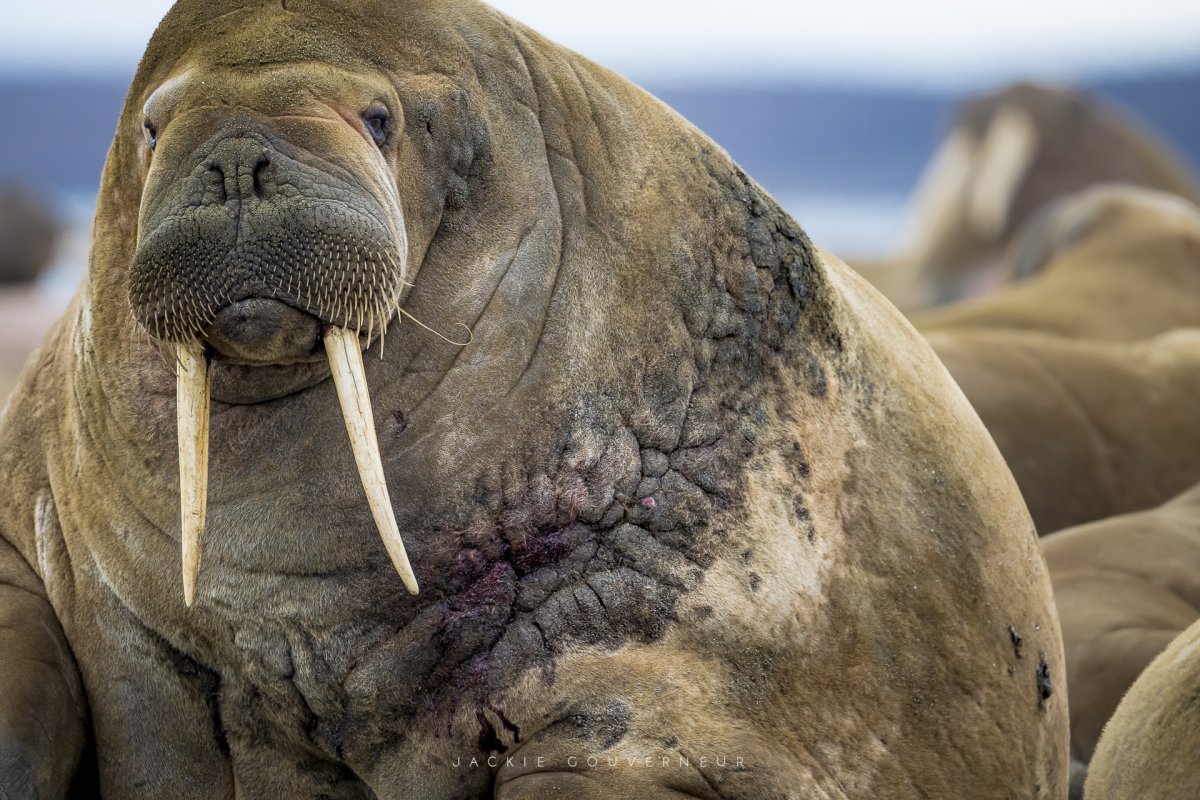
Possible subjects include polar bears, walruses, Arctic foxes and seabirds, as well as glaciers, mountains and patterns in the ice. Wildlife moves freely, and weather can affect where a journey goes and what conditions are available for photography, so no particular subject or image can be promised. Patience matters. Waiting for an animal to move naturally or for the light to shift can be as much a part of the experience as pressing the shutter.
Before travelling, practise keeping your camera steady, adjusting focus and exposure, and giving wildlife space. Knowing these basics can help you respond calmly when a brief opportunity appears. For a helpful starting point, explore wildlife photography tips for beginners.
Look beyond the destination name. Compare the trip format, the time available for photography, and the guidance provided. For a Svalbard photography expedition 2026, check how the itinerary balances moving between locations with time to observe, wait and make images. A faster pace may appeal if you want to experience varied scenery; a slower pace can leave more room to respond to changing light and conditions.
Read the itinerary for details that affect your time in the field, such as the daily rhythm, transport and accommodation. Consider whether that structure suits the way you like to photograph. Also think about the kind of support you’d find useful, from help with camera settings to advice on composition and responding to changing opportunities.
A wildlife expedition can create opportunities, but it can’t guarantee sightings or specific photographs. Wild animals and Arctic conditions set the terms.
A scheduled departure is a pre-planned trip on set dates. It can suit you if you prefer a ready-made structure and its timing fits your plans. Explore scheduled photography tours to see this format. A tailor-made journey can be shaped around your interests and preferred pace, which may suit you if you have particular photographic priorities. Learn more about custom photography journeys.
Before choosing, write down your main photographic priorities, preferred pace and need for flexibility. Compare those preferences with photography tour dates and the trip formats. Focus on whether the structure supports the way you want to work in the field, not on the boldest wildlife promise.

Turn your ideas into a practical plan, one choice at a time. For a Svalbard photography expedition 2026, start with the images and experiences that matter most to you. Then choose a trip format and compare the published details for the journey you’re considering.
Decide whether you’re most drawn to wildlife, Arctic landscapes or a mix. Note your preferred pace and how much guidance you’d value while photographing in the field.
A scheduled tour has a planned departure and structure. A tailor-made journey can be shaped around your interests and pace.
Read the dates, itinerary and inclusions for each specific journey. Look for a daily rhythm and amount of time in the field that match your priorities.
You don’t need to be an experienced wildlife photographer to enjoy a photographic journey. Beginners may appreciate guidance with camera settings and composition, while experienced photographers may arrive with clear subject or image-making goals. Tusk Photo’s experienced guides lead wildlife photography expeditions and support photographers with different levels of experience as they respond to conditions and opportunities in the field. Particular wildlife encounters or photographs can’t be promised.
Before settling on a format, name your top subject, ideal pace and preferred kind of field support. Then compare those priorities with Tusk Photo’s tour dates and photography tours. Choose the journey that fits how you want to explore and photograph, rather than trying to plan around a sighting you can’t control.
Your photographs begin taking shape before you reach the Arctic. Think about the subjects you hope to explore, the pace you enjoy and the kind of support that helps you feel ready in the field. For a Svalbard photography expedition 2026, let those priorities guide your choice and leave room for the unexpected moments that make wildlife photography rewarding.
Tusk Photo’s experienced guides lead wildlife photography expeditions, with scheduled tours and tailor-made photographic journeys for different interests and preferences. Compare the formats and choose the one that fits your goals.
Explore Tusk Photo photography tours and take the next step toward your Arctic photography journey.
No. Polar bears are wild animals, and their movements can’t be predicted or controlled. A Svalbard photography expedition 2026 may offer opportunities to look for Arctic wildlife, but a particular sighting or photograph can’t be promised. Choose a journey for the wider experience of photographing the region, including its landscapes and changing conditions, rather than for one expected encounter.
Yes. Beginners can join expert-led photographic journeys, and you don’t need to be an experienced wildlife photographer to start learning in the field. Before travelling, practise using your camera in changing light and photographing moving subjects, such as birds in flight. Knowing your basic controls can help you respond more calmly when a photographic opportunity appears.
Possibly, if your journey takes place during dark conditions and the northern lights appear. In the brighter summer period, darkness isn’t available for viewing the aurora. Even in a suitable season, sightings depend on natural conditions, so don’t treat them as a certain part of a trip. Consider whether Arctic landscapes and wildlife also interest you.
Choose a scheduled trip if its set departure and planned structure fit your calendar and priorities. A tailor-made journey may suit you if you have a particular photographic interest or want a pace shaped around your preferences. Decide whether you’d rather join a ready-planned expedition or build a journey around your own goals.


