
Seeing the Hidden Cats of the Pantanal: A Wildlife Guide
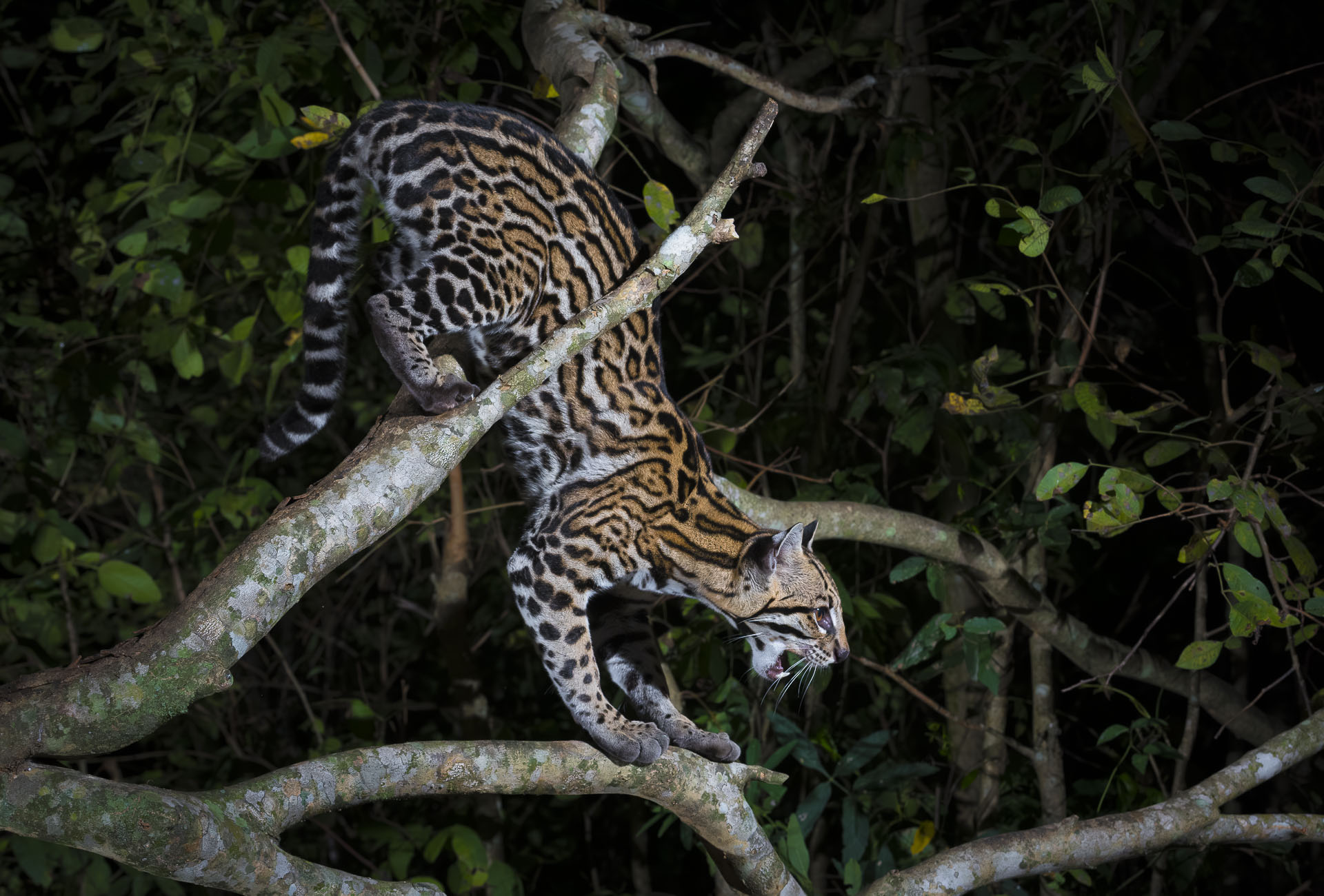

While the jaguar is the undisputed king of the Brazilian wetlands, the true prize for a dedicated photographer is capturing the Hidden Cats of the Pantanal that most travelers simply blink and miss. It's a common frustration to spend hours in the bush only to lose a rare sighting because of tricky timing or a camera setting that wasn't ready for the jungle's deep shade. We know that feeling. You want more than just the standard tourist shots; you want the deep, atmospheric images of the species that stay out of the spotlight.
We're here to help you bridge that gap between a lucky glimpse and a professional portfolio. With the Pantanal Mato-Grossense National Park expanding by over 116,000 acres in 2026, there's more territory than ever to explore for those who know where to look. This guide shares exactly which elusive species you should look for and provides practical tips for mastering low-light photography in the thick of the wild. We'll also help you decide whether Scheduled Tours or Tailor Made Tours offer the best access for your specific goals. You'll leave with the confidence to book the right trip and the skills to bring home photos that tell the full story of this incredible ecosystem.
While the jaguar usually steals the show, it's only one member of an incredible feline family living in these wetlands. To find the Hidden Cats of the Pantanal, you need to look beyond the obvious riverbanks. Each species has its own personality and preferred hangout, making every day in the field a new puzzle to solve. We focus on these nuances to ensure you don't just see the wildlife, but actually understand the rhythm of the jungle.
The jaguars in this region are famous for a reason. They're significantly larger than those found in the dense Amazon rainforest. This is mostly because they have a steady diet of protein-rich caiman and capybara. They've become remarkably aquatic, and it's common to see them diving into the water to catch a meal. For the best photography, we focus on areas like the Cuiabá River near Porto Jofre. Since many of these cats are habituated to humans, you can get incredible shots from a boat without disturbing them. In fact, the Jaguar Identification Project reported 1,488 sightings in 2025 alone, showing just how active this area is. Many of our Scheduled Tours are designed around these specific hotspots to give you the best possible angles.
If you're looking for the most beautiful cat in the world, the ocelot is a top contender. Often called "little jaguars," they have intricate, swirling patterns that are a dream for any portfolio. They tend to stick to the riverine forests where the shade is deep. This is where a photography-first approach pays off; we spend the time needed to wait for these cats to emerge from the thick brush.
Pumas and jaguarundis offer a completely different experience. Pumas are the mountain lions of the wetlands, often found in the drier, scrubby areas. They're sleek and powerful, moving like ghosts through the grass. Then there's the jaguarundi. This strange cat defies expectations. It hunts during the day and has a long, slender body that often leads people to mistake it for a large weasel or an otter. Because they're active when the sun is up, they provide a rare opportunity for high-shutter-speed action shots. Finding the Hidden Cats of the Pantanal takes a bit more effort, but the reward is a collection of images that stands out from the crowd.
Photographing the Hidden Cats of the Pantanal requires more than just a good eye; it takes a deep understanding of how these animals move through their environment. Unlike the jaguars often seen on the riverbanks, cats like the ocelot or the puma frequently hide in the dense shadows of the gallery forest. To get a clear shot, you have to master the art of waiting. If we find a fresh kill site, we stay put. It's often better to wait for the cat to return to its meal than to go searching blindly through the brush.
The light under the forest canopy is notoriously difficult. To handle these deep shadows, you'll need gear that can perform in low light. We recommend fast lenses, such as an f/2.8 or an f/4, to let in as much light as possible. It's also vital to have a camera with strong high ISO capabilities. This allows you to keep your shutter speed up even when the sun is low at dawn or dusk. Since you'll often be shooting from a boat, stability is key. A simple beanbag draped over the edge of the vessel can work wonders for steadying your lens against the engine's vibration or the rocking of the water.
While boat-based photography is specific to wildlife, the appeal of being on the water extends to professional settings as well; for those interested in hosting high-end team gatherings, you can explore Corporate Events with Lisbon Catamaran Tours to see how a premium boat excursion can transform a standard meeting into a memorable experience.
When you're deep in the trees, your composition matters just as much as your settings. Try using the dense foliage as a natural frame to create a sense of depth and mystery in your photos. Choosing the right platform is also crucial. Boats offer amazing low-angle shots of the riverbanks, while land-based vehicles give you better access to the scrubby areas where pumas roam. If you're just starting out, you might find our guide on wildlife photography tips for beginners helpful for getting the basics down before you hit the field.
Expert tracking is about watching for the smallest clues. A single ear flick can tell you exactly when a cat is about to stand up or change direction, giving you a split-second head start to adjust your frame. Always aim for eye contact; it creates a powerful connection that makes a portrait truly stand out. Whether you choose our Scheduled Tours or a private journey, having a guide who understands these behaviors is what makes the difference between a blurry shape and a masterpiece.
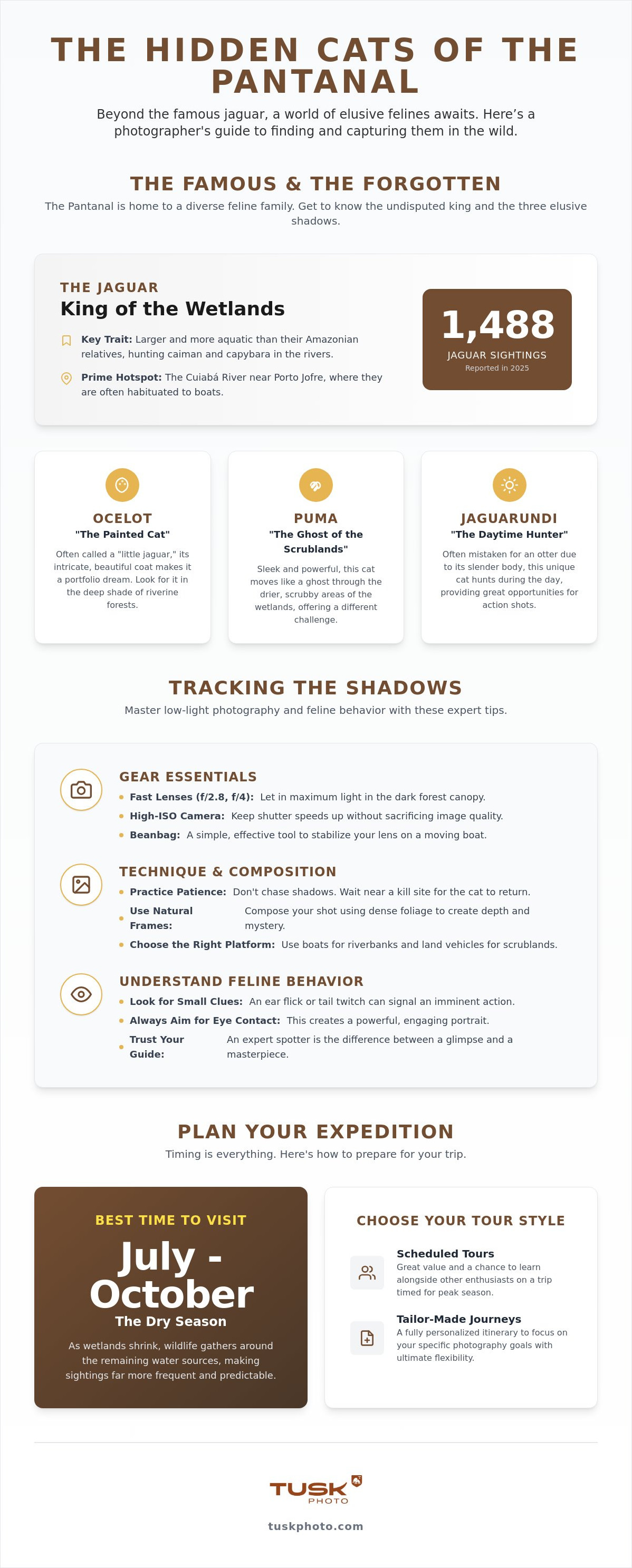
Getting ready for a trip to Brazil is exciting, but timing is everything if you want to find the Hidden Cats of the Pantanal. The best window for your expedition is during the dry season, which runs from July through October. As the wetlands shrink, animals move toward the remaining water sources, making them much easier to spot. You'll want to pack lightweight, breathable clothing and plenty of protection for your camera gear to shield it from the dust of the Transpantaneira. For a truly seamless experience, luxeadventures.com.au specializes in designing bespoke, personally vetted luxury travel that ensures every detail of your journey is expertly handled.
Your success really depends on who is helping you look. An expert guide doesn't just look for a cat; they look for the shape of an ear or the flick of a tail in the tall grass. Having a spotter who knows these specific feline behaviors can turn a quiet morning into the highlight of your portfolio. They understand the difference between a casual stroll and a hunting prowl, helping you get into position before the action even starts.
Choosing the right format for your trip depends on your personal goals. Many photographers prefer scheduled departure photography tours because they offer great value and a chance to learn alongside other enthusiasts. These trips are timed perfectly for the best wildlife activity. If you have your heart set on a specific species like the elusive puma, tailor made photography safaris might be a better fit. These private journeys allow you to set the pace and focus entirely on the animals you want to capture.
Most travelers begin their journey by flying into Cuiabá, the main gateway to the Northern Pantanal. From there, it's a drive down the famous Transpantaneira highway. When you're picking a place to stay, we recommend lodges that offer dedicated ocelot hides. These spots are designed to give you a front-row seat to the Hidden Cats of the Pantanal in a way that feels natural and undisturbed. If you're ready to start planning, take a look at our current tour dates for 2026 to find a time that works for you.
The journey to find the Hidden Cats of the Pantanal is one of the most rewarding experiences a wildlife photographer can have. You've seen that while the jaguar is the star of the show, the real magic often happens in those quiet moments when an ocelot steps out of the shadows or a puma moves across the scrubland. By mastering your low-light settings and choosing the dry season for your visit, you're already well on your way to bringing home a world-class portfolio.
Success in the field isn't just about luck; it's about being in the right place with people who truly understand feline behavior. Our expeditions are led by professional photography hosts who know exactly how to position you for the best light. We provide exclusive access to prime feline habitats and keep our groups small to ensure you get maximum shooting time without the crowds. If you're ready to take your photography to the next level, explore our upcoming Pantanal photography tours and start planning your 2026 adventure. We can't wait to help you capture the untamed spirit of the wetlands.
The best months for sightings are between July and October. This is the peak of the dry season, when water levels drop and wildlife gathers around the remaining rivers. It's the perfect time to spot the Hidden Cats of the Pantanal because the vegetation is less dense, making it easier to see predators lurking on the banks. August and September are especially popular for those wanting the highest chance of seeing multiple species in one trip.
Wild cats are generally not dangerous to photographers as long as you maintain a respectful distance and follow your guide's instructions. In areas like Porto Jofre, many jaguars have become used to seeing boats, meaning they don't see humans as a threat or prey. However, these are still powerful apex predators. Staying inside your vehicle or boat and avoiding sudden movements ensures a safe and professional experience for everyone involved.
You don't need a special personal permit for standard wildlife photography as a tourist in Brazil. However, most photography tours take place within protected areas like the Pantanal Mato-Grossense National Park, where entry is managed by local authorities. While some parks don't charge an entrance fee, others might. Your tour operator usually handles all the necessary paperwork and access requirements, so you can focus entirely on your gear and the animals.
A versatile telephoto zoom lens, like a 100-400mm or a 200-600mm, is usually the best choice for this environment. These lenses give you the flexibility to capture wide environmental portraits or tight close-ups of the Hidden Cats of the Pantanal from a moving boat. If you have a fast f/2.8 or f/4 lens, it will be incredibly helpful for those early morning or late evening sightings when the light is low but the cat activity is high.


