
Okavango Delta Safari Guide: Wildlife & Photography
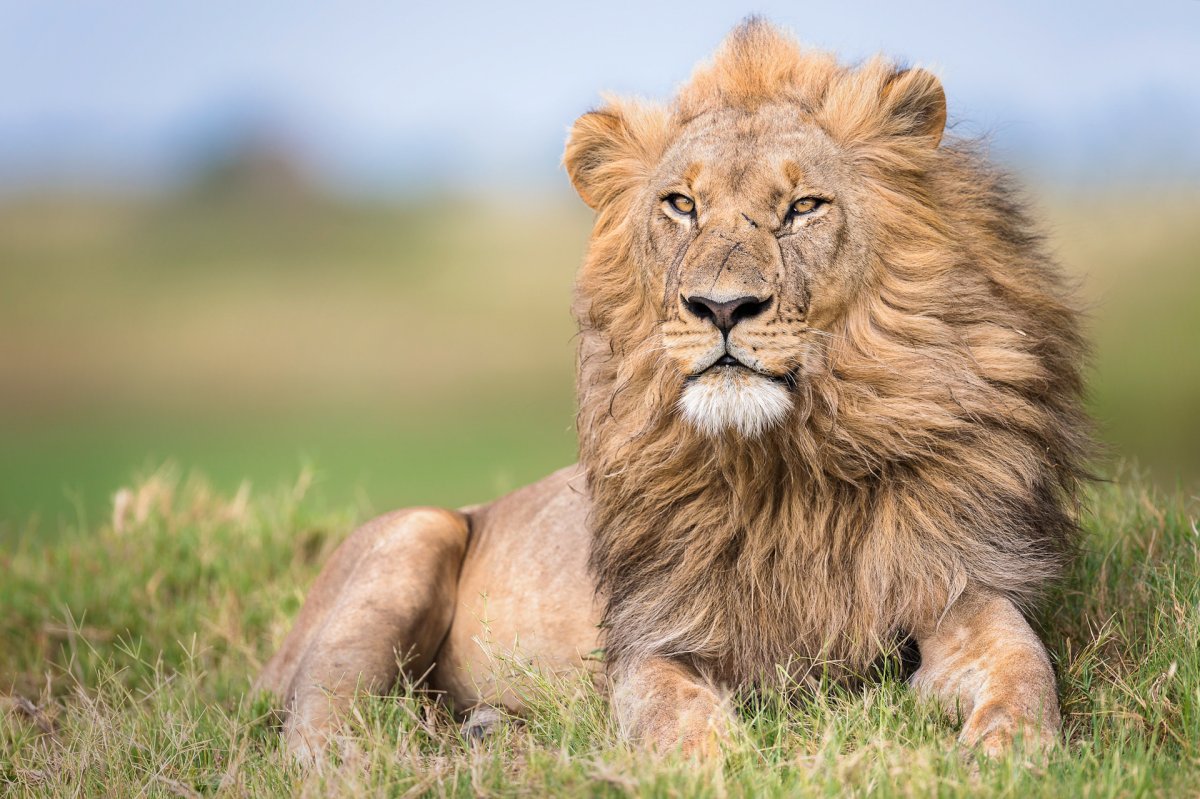

The Okavango Delta’s story starts far beyond its winding channels. Water from the Angolan highlands travels into Botswana, where seasonal floods transform the landscape and shape the wildlife encounters photographers come to see. The Delta became a World Heritage site in 2014, recognized for its natural beauty, ecological processes and variety of wildlife habitats.
Its changing waters are part of what makes the Okavango so compelling. This guide explains where the water comes from, how rainfall and river flow shape the flood season, and what World Heritage status means. You’ll also discover how seasonal shifts influence wildlife viewing and photography in the Okavango Delta, from flooded channels to open grasslands. Follow the water’s journey to understand the Delta’s remarkable character.
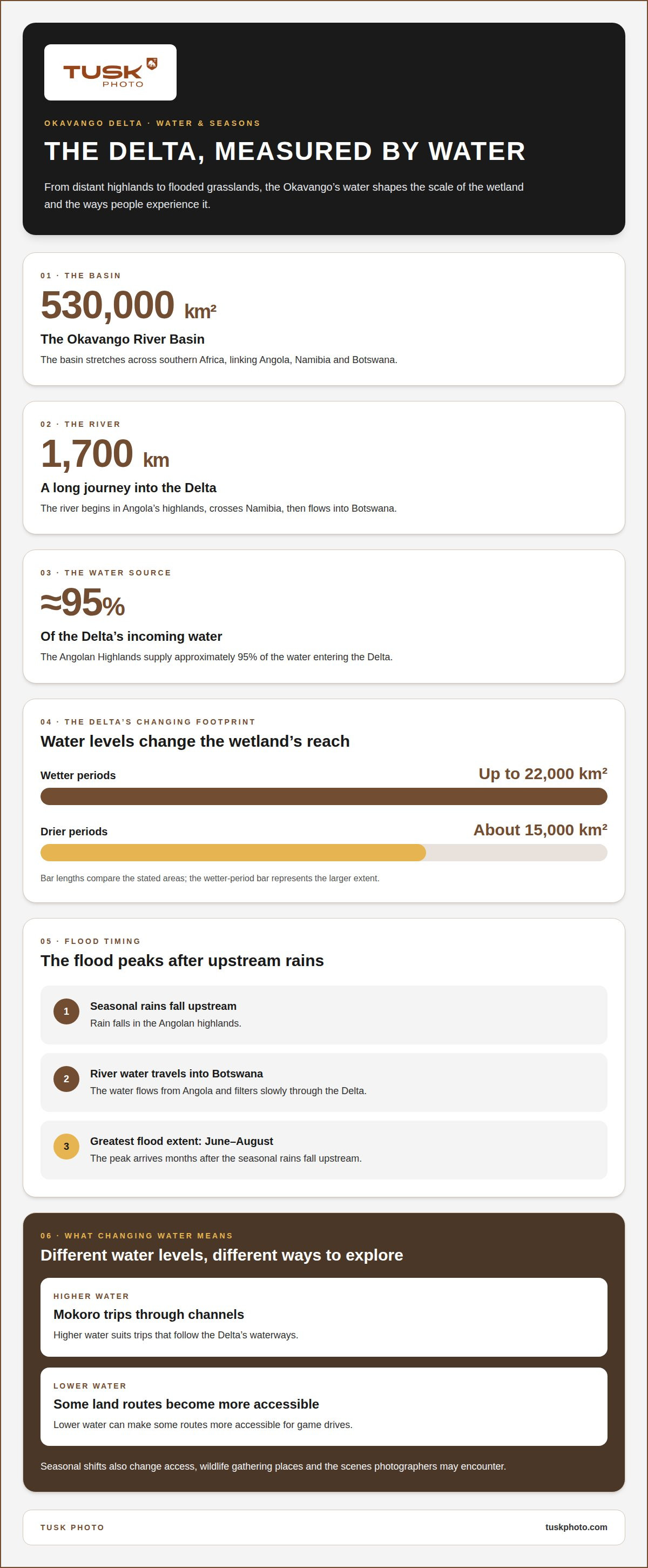
The Okavango River begins in Angola’s highlands, crosses Namibia’s Caprivi Strip, then reaches Botswana’s Kalahari. There, the Okavango Delta spreads across a flat wetland, with permanent waterways beside seasonally flooded grasslands. In wetter periods, it can cover up to 22,000 square kilometres; in drier periods, about 15,000.
The flood reaches its greatest extent between June and August, months after seasonal rains fall upstream. River water flows from Angola, then filters slowly through the Delta. As it spreads, channels and grasslands change, shifting access and the scenes photographers may encounter.
Unlike Chobe National Park, the Okavango Delta is defined by waterways and flooded plains, while Chobe’s riverfront offers a different setting. Both are distinctive African safari destinations, and wildlife viewing varies with habitat and season.
Visitors may see elephants, red lechwe and cheetahs. Changing water levels affect where wildlife gathers, so sightings vary across the region.
Entry rules depend on your nationality, while health precautions depend on your itinerary. Follow Botswana’s current guidance, listen to safety briefings and keep a respectful distance from wildlife.
Maun is a gateway for onward travel into the Okavango Delta; routes depend on the camp and chosen transport. Seasonal water levels shape the landscapes you’ll experience, so consider them when planning your trip.
The river basin covers 530,000 km2 across southern Africa, and its main river runs 1,700 km. It begins in the Angolan Highlands, crosses Namibia, then flows into Botswana. The highlands supply approximately 95% of the water entering the Delta, linking rainfall far upstream with wetlands and wildlife downstream.
This water supply is shared across the region, so managing it is a concern for all three countries. Angola, Namibia and Botswana signed an agreement in September 1994 to establish a commission for managing the basin. Upstream water use and changing rainfall can affect how much water reaches downstream habitats and communities.
Seasonal floods rise and recede as the Okavango River flows through the Delta, so the best time to visit depends on what you hope to experience. Higher water suits mokoro trips through channels; lower water can make some land routes more accessible for game drives. Camps that focus on water activities, land activities or both offer different ways to experience these seasonal changes.
Mokoro trips and game drives offer distinct views of the wetland: one follows waterways, while the other explores land routes. Conservation depends on connected habitats and cooperation across borders. The Okavango’s changing water levels also shape access, wildlife encounters and the scenes photographers can capture on each outing.
Botswana’s Okavango Delta was added to the UNESCO World Heritage List in 2014 under criteria vii, ix and x. These criteria recognize its exceptional natural beauty, the way nature works there and the habitats that support many kinds of life. The designation reflects a living ecosystem shaped by water, seasonal change and wildlife.
The protected area covers 2,023,590 hectares, and the UNESCO World Heritage Centre lists a surrounding buffer zone of 2,286,630 hectares. This surrounding area matters because rivers, wetlands and wildlife habitats extend beyond a single boundary. The Delta is part of a wider landscape connected to the Angolan Highlands, Namibia and the Kalahari Desert.
The Delta’s conservation value can be seen in its varied habitats, from open plains to channels and seasonally flooded areas. These environments support many species, including elephants, and form a rare wilderness shaped by changing water. The Delta’s value lies in this connected natural system, not in one landmark or animal. Protecting connected habitats helps sustain the natural processes and wildlife that make this landscape significant.
In the World Heritage records, the Okavango Delta World Heritage Site has reference number 1432. This number identifies the site, while the criteria describe why it is recognized: for its beauty, natural processes and habitats that support biodiversity.
These connections matter for conservation. The property boundary marks the protected area, but the Delta’s recognized value depends on how water, habitats and wildlife interact across the wider landscape. Considering the criteria alongside the property and buffer zone helps keep these connections in view. The designation recognizes the Delta’s importance and explains why its natural features should be considered together.
Tusk Photo helps photographers plan a wildlife trip around the Delta’s seasonal water, habitats and the photos they want to take. Experienced guides lead tours with great photo opportunities, whether you’re building confidence or improving your skills. The changing landscape can shape what you hope to photograph, from wildlife along waterways to animals moving across open ground.
Choose a Scheduled Tour to join a planned departure. For a trip shaped around your interests, a Custom Tour, also known as a Tailor-Made Tour, offers a more personal fit. On-Demand Tours offer another way to plan an expedition around your destination and the wildlife photos you want to take. Each option connects the trip to your priorities, rather than treating the Delta as a one-size-fits-all experience.
Consider what matters most in the field: water landscapes, animal behavior or time to work carefully with changing light. Those priorities can guide your choice between a scheduled departure and a trip planned just for you. Beginners and seasoned photographers alike can benefit from experienced guidance and well-planned photo opportunities. This helps connect the Delta’s distinctive environments with the images you hope to make, while keeping the experience grounded in the rhythms of wildlife and place. To discuss a photography trip, contact Tusk Photo.
A rewarding wildlife journey starts with a clear sense of what you want to notice. Perhaps you’re drawn to animal behavior, quiet scenes of water and light, or the challenge of making thoughtful images in a changing landscape. Let that interest guide the experience you plan, and leave room to respond to moments in the field. When returning home with memorable wildlife captures, using a specialist like First4Frames Gallery can help transform those digital files into fine art prints and custom-framed displays.
With the right journey in mind, you can focus less on logistics and more on observing carefully. Tusk Photo can shape a photographic trip around your interests, whether you’re developing your skills or bringing years of experience. The aim is a considered experience that connects your goals with the natural world without losing sight of the place itself.
Ready to take the next step? Contact Tusk Photo about your Okavango safari and start planning a journey that feels right for you.
The Okavango Delta is an inland wetland in northern Botswana, where the river spreads into the Kalahari instead of flowing to the sea. Its channels, islands and floodplains create varied habitats within a desert region. This unusual setting helps explain why water levels influence both the landscape and the wildlife visitors may encounter.
The Okavango River Basin spans Angola, Namibia and Botswana. Its water journey begins in the Angolan Highlands, crosses Namibia’s Caprivi Strip, then reaches the Delta in Botswana. These connected regions mean rainfall and water use upstream can affect habitats downstream. The basin is a shared geographic system, not just the wetland within Botswana.
From Maun or Kasane, the final journey depends on your camp’s location and transfer plan. Treat either town as a starting point, then build your itinerary around the onward leg. Confirm transfer timing as part of your travel arrangements, especially if your arrival and camp connection are scheduled separately.
The best camp depends on the experience you want, not a universal ranking. For photography, consider whether you prefer water-focused outings, land-based wildlife viewing or a mix. Also think about the season and the habitats you hope to explore. Matching those priorities to a camp’s setting can make your stay more rewarding.


