
Namibia Wildlife Photography Safari: A Practical 2026 Guide
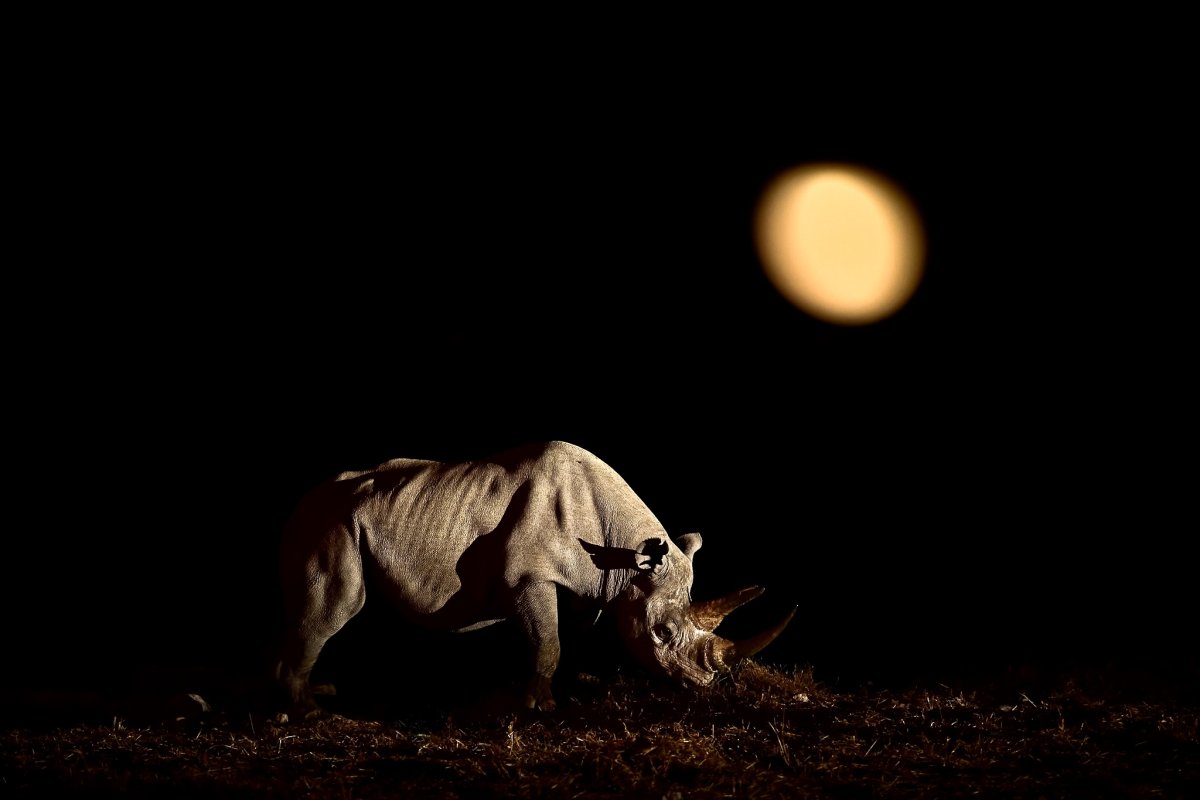

What if the strongest wildlife photographs in Namibia begin with the landscape, not the animal? A Namibia wildlife photography safari can bring desert horizons, stark coastlines and remarkable wildlife into the same frame. The season, changing light and time spent in the field all shape what you may see, so thoughtful planning matters. Sightings are never guaranteed.
If you’re unsure which places suit your photography goals or when to go, this guide will help you compare wildlife, landscapes and birdlife with seasonal conditions. You’ll learn why the dry season can suit waterhole photography, while greener months can bring dramatic skies and birdlife. You’ll also find practical criteria for choosing an expert-led, self-drive or custom-designed journey. Experienced photography hosts can help you adapt to changing light and field conditions, but no format can promise a particular shot. Tusk Photo offers scheduled, tailor-made and on-demand expeditions; confirm whether a Namibia departure is available before planning around one.
Namibia brings desert, open plains and coastal scenery into one photographic journey. The appeal isn’t only the chance to photograph wildlife. It’s also the contrast between a subject and its setting: an animal against a wide, spare horizon, or a line of dunes beneath shifting light. Cloud, dust and time of day can change the scene, so patience and flexibility matter. Wildlife encounters are never guaranteed, and your images depend on conditions as well as what appears in front of you.
A Namibia wildlife photography safari is a journey planned around photographing wildlife and landscapes in Namibia, with the route, timing and pace shaped by photographic priorities rather than guaranteed sightings.
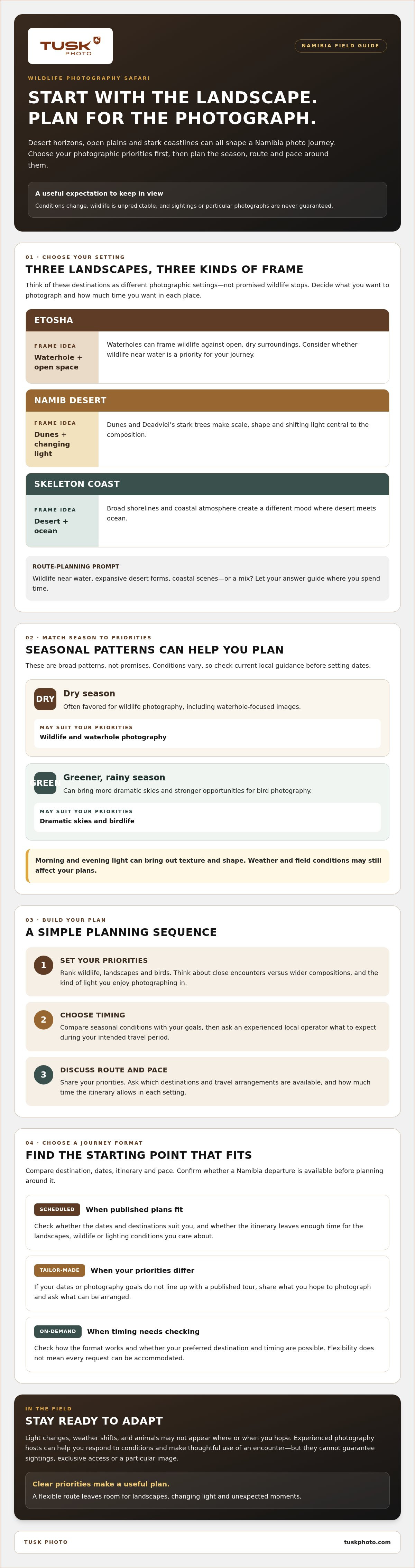
Think of these places as different photographic settings, not promised wildlife stops. Etosha’s waterholes can frame wildlife against open, dry surroundings. In the Namib Desert, dunes and the stark trees of Deadvlei make scale, shape and changing light central to a composition. Along the Skeleton Coast, the meeting of desert and ocean creates a different mood, with broad shorelines and coastal atmosphere.
Before choosing a route, decide what you most want to photograph: wildlife near water, expansive desert forms, coastal scenes, or a mix. Then consider how much time you want to spend in each setting and what kind of light appeals to you. Morning and evening light can bring out texture and shape, but weather and conditions may affect plans. For wider destination comparisons, an African photo safari guide can help you weigh Namibia against other options.
A thoughtful plan gives each landscape room to shape your photographs while leaving space for unexpected moments.
Start with the photographs you hope to make, then choose a season that suits those priorities. Map out a route after that. This order helps you decide where to spend your time while keeping expectations realistic: changing conditions affect scenery and wildlife activity, and no itinerary can guarantee a particular species or image.
Decide what matters most: wildlife around water, dramatic skies and broad landscapes, or birdlife. Namibia’s dry season is often favored for wildlife photography, while the greener, rainy season can bring more dramatic skies and stronger opportunities for bird photography. These are broad patterns, not promises. Conditions vary, so check current local guidance before setting dates.
Use this planning sequence:
Rank wildlife, landscapes and birds. Consider whether you prefer close encounters or wider compositions, and what kind of light you enjoy photographing in.
Compare seasonal conditions with your priorities, then ask an experienced local operator what to expect during your intended travel period.
Share your priorities and preferred pace. Ask which destinations and travel arrangements are available, and how much time the itinerary allows in each setting.
Be ready to adapt in the field. Light changes, weather shifts, and animals may not appear where or when you hope. An experienced photography host can help you respond to conditions and make thoughtful use of an encounter, but can’t promise a sighting or a specific photograph. For practical preparation before you travel, see our wildlife photography tips for beginners.
If you’re considering a custom-designed journey, explore tailor-made photography tours and confirm whether Namibia is currently available. A well-planned Namibia wildlife photography safari gives your priorities a clear place in the itinerary while leaving room for the unexpected.
The right format depends on how closely your dates and photography priorities match an available trip. Scheduled, tailor-made and on-demand tours offer different starting points, but the details of each journey matter. Compare the destination, dates, itinerary and pace before deciding, and confirm whether Namibia is available.
A scheduled departure may work well if its published dates and destinations already fit your plans. Review the itinerary and check whether it leaves enough time for the landscapes, wildlife or lighting conditions you care about. Browse current photography tours and confirm the details of any departure before building your plans around it.
If your dates or priorities don’t line up with a published tour, a tailor-made journey may be worth discussing. Share what you hope to photograph and ask what can be arranged. For an on-demand tour, check how the format works and whether your preferred destination and timing are possible. Flexibility doesn’t mean every request can be accommodated, so confirm what’s feasible before making plans.
Experienced photography hosts can help you assess changing light, respond to wildlife encounters and make considered choices in the field. Their guidance can shape how you work with the conditions, but it can’t guarantee sightings, exclusive access or a particular image. That distinction matters on any Namibia wildlife photography safari: a thoughtful format can support your goals, while the natural world sets its own pace.
A rewarding Namibia wildlife photography safari starts with clear priorities. Decide whether landscapes, wildlife or birdlife matter most, then weigh seasonal conditions and light before settling on a route. Keep your plans flexible: wildlife encounters and photographic conditions can change, and no itinerary can guarantee a particular sighting or image.
The right tour format also matters. Scheduled, tailor-made and on-demand tours offer different ways to approach your timing and interests. Tusk Photo’s expeditions are led by experienced photography hosts who can help you respond to changing light and field conditions. Namibia-specific availability isn’t confirmed, so check before making plans around a departure.
Ready to explore your options? Explore Tusk Photo’s wildlife photography tours and see which format may fit your goals. Confirm whether a Namibia trip is available, then compare the itinerary with your priorities. With thoughtful planning and room for the unexpected, you can set out ready to make the most of Namibia’s remarkable landscapes.
Yes. Namibia offers varied settings for wildlife photography, from Etosha’s open plains to desert and coastal scenery. The landscape can add scale and atmosphere to an image, while changing light gives familiar scenes a different feel. A Namibia wildlife photography safari can be rewarding for photographers who enjoy wildlife and the wider environment, though sightings and photo opportunities are never guaranteed.
The best time depends on what you hope to photograph. The dry season, generally May to October, is often favored for wildlife near waterholes. The greener, rainy months, generally November to April, can bring dramatic skies and stronger bird photography opportunities. These are broad seasonal patterns, not guarantees. Check current conditions with an experienced local operator before choosing your dates.
Yes, beginners can take part in wildlife photography expeditions, and experienced photography hosts can help you make field decisions as light and wildlife conditions change. You don’t need to expect perfect images straight away. Ask about the trip’s pace, what guidance is included and whether the itinerary suits your experience. Also confirm that a Namibia departure is available before planning around one.
Choose a scheduled tour if its published dates and destinations match your plans. A tailor-made journey may suit you better if your timing or photography priorities differ and you want to discuss a custom plan. On-demand tours offer another format to ask about. Compare the itinerary and flexibility, then confirm whether Namibia is available before treating any option as a specific departure.


