
Mashatu Sunken Hide Photo Safari in Botswana
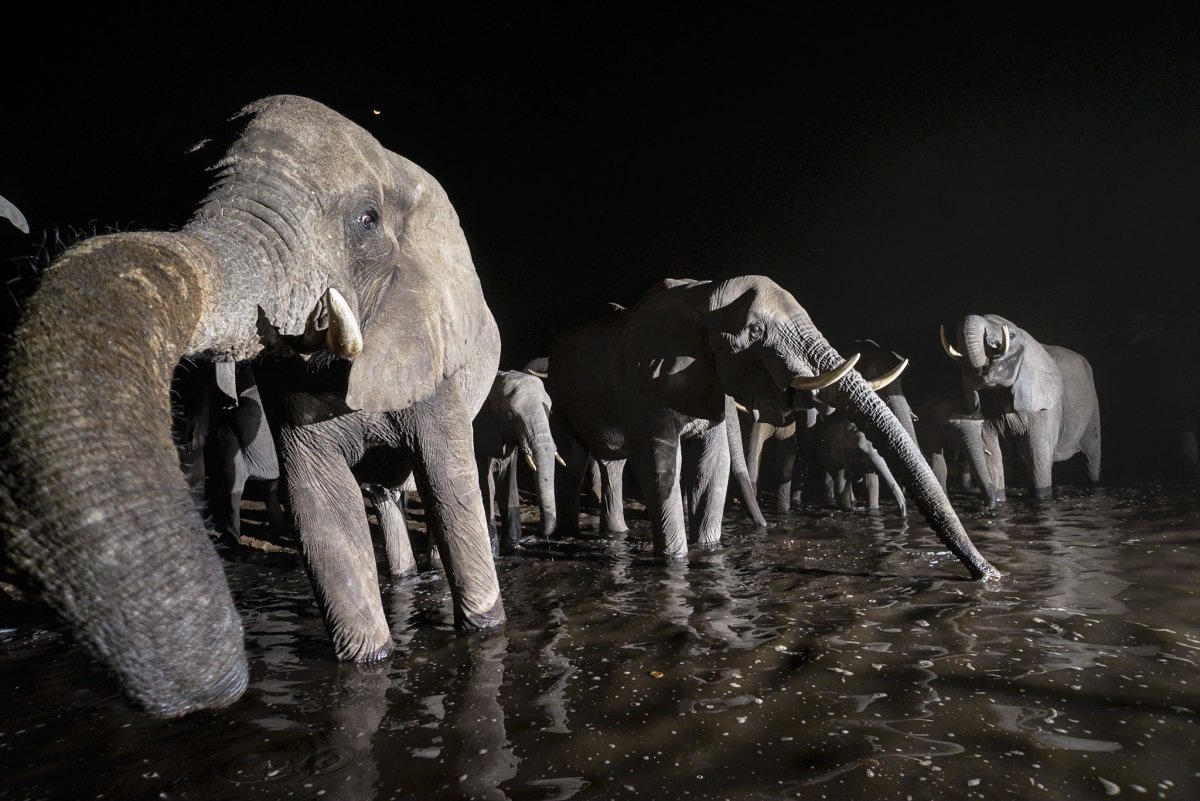

Some of Mashatu’s most distinctive wildlife portraits begin below ground. A Mashatu sunken hide photo safari offers a low, upward-facing view of animals at a waterhole, with no glass between you and the scene. At Matebole Hide, this perspective can make each visit feel close and immediate.
The unusual angle also affects your lens choice. A wide-angle lens, such as 15-35 mm or 24-70 mm, is recommended for hide photography, and a professional wildlife photographer can help you choose a focal length and camera technique for the scene.
If you’re wondering how the hides work and what to expect, this guide explains their design, the photographic opportunities they offer, and how wildlife activity can shape a visit. It also covers practical lens considerations to help you prepare before settling in to watch.
Mashatu’s purpose-built hides provide fixed viewpoints for wildlife photography. At Matebole Hide, photographers sit below ground level and look upward at the animals, with no glass between them and the scene.
A waterhole brings wildlife to a focused setting, while the low position at Matebole can place animals against open sky. A wide-angle lens, such as 15-35 mm or 24-70 mm, suits this close perspective. Mashatu Tented Camp guests can use four purpose-built photographic hides; each accommodates three to four photographers, or up to six guests travelling together. The Matebole structure is designed to be elephant-proof.
The Mashatu sunken hide stands out for its below-ground position and upward-facing view, rather than an elevated or vehicle-based angle. Other Botswana hides offer different settings and perspectives. To compare the experience, consider which wildlife comes close, how the hide frames the scene, and whether glass separates you from the subject. Matebole lies along elephants’ main daily routes in the area.
Possible sightings include impala, kudu, eland, giraffe, zebra, wildebeest, warthog, and baboons. To photograph wildlife in context, frame the animal’s movement and surroundings, then adjust as the scene changes. If a predator appears, a guide can help you respond to its position and behaviour while keeping the wider moment in view.
Some hides are set underground beside waterholes, bringing photographers close to wildlife as it drinks. Decide how much water to include in your frame, and leave space for an animal to enter the composition. From a fixed viewpoint, you can watch wildlife arrive and choose a moment that shows the animal in its surroundings.
A quiet, patient approach can help you make the most of this close perspective. The waterhole offers a clear focal point, while the wider scene gives you room to build context into the frame.
Matebole Hide sits between Mashatu’s mopane grasslands and central game-viewing region. Photographers sit below ground level, with their heads near the surface and an upward view of wildlife. There’s no glass between the hide and the waterhole. This low, close angle defines a Mashatu sunken hide photo safari.
The hide accommodates three to four photographers, or up to six guests travelling together. Its strong metal structure is designed to be elephant-proof. Matebole also lies along elephants’ main daily routes in the area, so visitors can watch wildlife pass naturally rather than rely on a staged encounter.
The hide closes from December 1 and opens on March 1. Its low seating means the physical setup may not suit everyone, especially visitors who need step-free access. Plan around the seasonal closure and consider whether sitting at ground level works for you.
Mashatu introduced its overnight hide in 2024. Guests on the photo tour have two nights of exclusive access, giving them a chance to observe wildlife activity after dark. In short, Matebole is best suited to photographers who want an intimate waterhole viewpoint and are comfortable with its low seating and limited visitor capacity.
At the hide, visitors sit with their heads at ground level, looking upward toward wildlife rather than viewing it from a standing position. This low viewpoint shapes the encounter: animals are seen from close to the waterhole’s surface, with no glass separating guests and wildlife. The direct, unobstructed arrangement is central to the character of the sunken hide and its distinctive perspective.
Matebole Hide lies along elephants’ main daily routes in the area, offering the chance to observe their regular movements. Its location lets photographers watch elephants pass through the setting without depending on a staged appearance. The low, upward-facing view, absence of glass, and position alongside the route together define the Matebole experience.

At Matebole Hide, the time of day can affect animal movement and the look of each frame. In the drier season, elephants head north in the evenings to feed and move south in the mornings to drink. Morning visits suit waterhole scenes, while evenings may show elephants travelling toward feeding grounds. These patterns can help you plan around the behaviour you hope to photograph.
Mashatu’s rainy season runs from December to March, bringing lush green backdrops for photography. Fresh vegetation adds colour behind animals at the waterhole and gives images a stronger sense of place. This season suits photographs that include the landscape as well as wildlife. Green surroundings create a different look from the more open dry-season setting.
From June to October, Mashatu’s dry season opens up the landscape, making wildlife more visible. This can help you follow animals approaching the water and keep them clear in the frame. The visual choice is straightforward: rainy months bring greener surroundings, while dry months offer greater visibility. During the dry season, morning drinking activity and evening movements toward feeding grounds offer different moments to observe.
Consider both parts of the timing decision: the season shapes the backdrop, while the time of day can influence elephant movement. Choose the rainy season for greener surroundings or June to October for greater wildlife visibility. In the drier months, mornings and evenings each bring a different pattern at Matebole.
Tusk Photo can help turn your interest in Mashatu’s sunken hide into a photography journey shaped around your goals. Its experienced guides lead wildlife photography expeditions and support photographers at different experience levels. They can help you think through the hide’s low viewpoint, likely subjects, and suitable focal lengths as you plan for the images you want to make.
Scheduled Tours suit travellers whose plans align with a set departure. Tailor Made Tours are a useful fit when you want a journey shaped around particular wildlife photography interests, such as spending time at Mashatu’s waterhole hide. On Demand Tours offer another way to explore a wildlife destination when a scheduled departure does not match your plans. Each option provides a different starting point for planning.
As you consider your next step, think about your preferred travel timing, photography experience, and the scenes you hope to capture. These priorities can help shape a conversation about the right tour format and the guidance you’ll find useful in the field. The aim is to connect your interests with meaningful wildlife photography opportunities, rather than assume every photographer wants the same experience.
Contact Tusk Photo to discuss a Mashatu photography journey.
A Mashatu sunken hide photo safari centres on photographing wildlife from a purpose-built hide, with time to observe animals near a waterhole. Its low viewpoint creates a distinctive frame, and expert photographic guidance can help you respond to animal position and behaviour. It suits travellers seeking a dedicated hide experience within a wildlife photography journey.
Pricing depends on the itinerary and travel arrangements. Dates, accommodation, and hide access can shape the journey. Scheduled, Tailor Made, and On-Demand Tours offer different ways to plan, so compare the itinerary and what it covers, rather than focusing only on time at the hide.
The hide is at Mashatu Game Reserve in eastern Botswana, within the Northern Tuli Game Reserve. The wider reserve lies near the meeting point of Botswana, South Africa, and Zimbabwe, where the Limpopo and Shashe rivers meet. This location places the experience in a distinctive corner of Botswana’s border region.
The experience can suit wildlife photographers at different skill levels, from beginners building confidence to seasoned professionals refining their field approach. A professional wildlife photographer accompanies guests to the hides and can offer guidance on camera technique. It’s a good fit for anyone keen to observe wildlife and make photographs in a focused setting.
The waterhole surroundings offer more than large mammals. Birds reported in the area include Meyers Parrot, Green Pigeon, bee-eaters, hornbills, and lapwings. These subjects bring different colours, shapes, and behaviours into a photographic visit. The appeal is the chance to observe varied wildlife activity from one carefully chosen viewpoint.


