Madagascar: A Journey into an Island of Extraordinary Wildlife

There are few places on Earth quite like Madagascar. An island separated from mainland Africa for millions of years, it has evolved into a world of its own, with wildlife, landscapes and ecosystems found nowhere else on the planet.
For a wildlife photographer, it is an extraordinary destination. From lemurs leaping through ancient forests to bizarre chameleons, beautifully camouflaged leaf-tailed geckos and the elusive fossa, Madagascar offers photographic opportunities that are difficult to find anywhere else.
One of the most fascinating aspects of travelling here is just how unique its wildlife is. More than 80% of Madagascar's wildlife species are endemic, meaning they occur naturally nowhere else in the world. Almost everywhere you look, there is something unusual, unfamiliar and often quite extraordinary.
I recently spent just over two weeks exploring Madagascar with a small group of guests, travelling from the dry forests of the south to the western baobab landscapes, the eastern rainforests and finally the beautiful coastline of the northwest. It was a journey filled with memorable encounters, some exceptional photographic opportunities and a few logistical challenges along the way.
Madagascar is not always the easiest destination to travel through, but that is also part of what makes an expedition here so rewarding.
Our journey began with a flight from Kenya into Antananarivo, Madagascar's capital. From there, we connected south to Fort Dauphin (Taolagnaro) before continuing overland to the Berenty Reserve.
Berenty was our introduction to Madagascar's remarkable lemur diversity, and it certainly didn't disappoint.
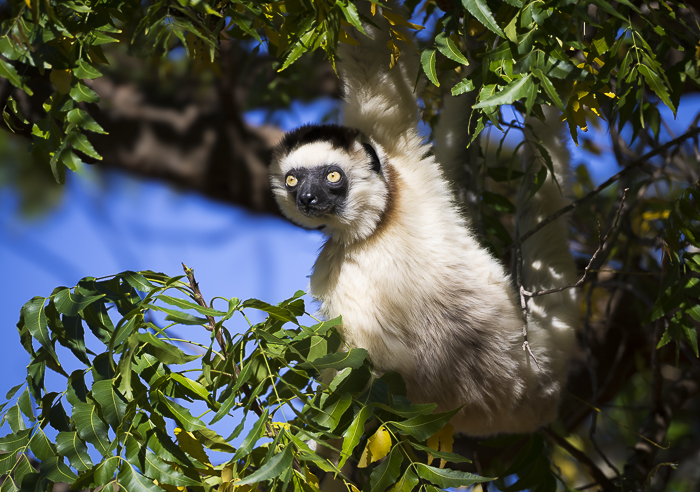
We had some wonderful opportunities photographing the iconic ring-tailed lemurs, with their distinctive black-and-white tails, as well as the beautiful Verreaux's sifakas. Watching these animals move through the forest is fascinating, particularly the sifakas with their almost dance-like sideways movements when crossing open ground.
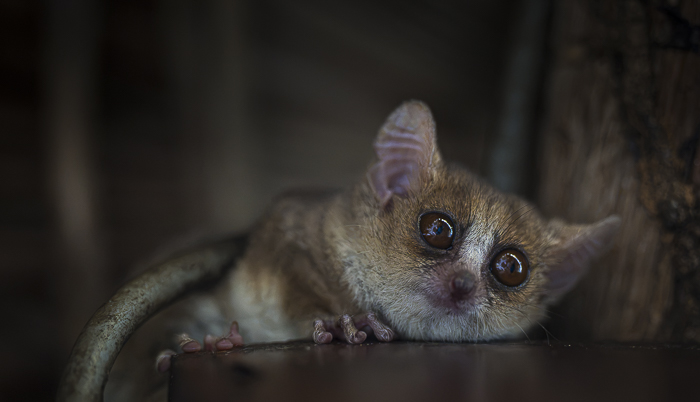
The reserve also delivered some of the smaller species that make Madagascar so special. We found several grey mouse lemurs, along with a lovely selection of endemic birds, including some of the island's distinctive vanga species.
It was a fantastic start to the trip and a chance for everyone to get to grips with the incredible variety of subjects Madagascar has to offer.
From Berenty, we returned to Antananarivo before flying west to Morondava. This brought us into an entirely different landscape, one characterised by dry deciduous forests, open plains and some of Madagascar's most recognisable trees.
Our drive took us along the famous Avenue of the Baobabs, one of the most iconic photographic locations on the island. The enormous baobab trees, some of which have stood for centuries, create a remarkable landscape, particularly in the softer light of early morning and late afternoon.
It is certainly a popular destination, and there were plenty of other visitors around, but with a little patience and some careful positioning, we still managed to find opportunities to work with the landscape and create some lovely images.
From here, we continued to Kirindy Forest, which turned out to be one of the highlights of the entire journey.
Kirindy is particularly well known for the fossa, Madagascar's largest native carnivorous mammal and one of the island's most intriguing predators. These remarkable animals are closely associated with Madagascar's forests and are exceptionally interesting to photograph.
We were fortunate to spend some really rewarding time with wild fossa during our stay. One particularly memorable encounter involved a female that we found resting high in a tree, with a male nearby. The pair had been mating during the evening, and after some time the female eventually made her way down from the tree, giving us some wonderful opportunities to photograph her at closer range.
For me, spending time with a wild fossa in its natural habitat was one of the defining experiences of the trip.
Kirindy also produced a great selection of other lemurs. During one of our night walks, we were particularly pleased to find a highly sought-after fork-marked lemur. We also encountered sportive lemurs and several mouse lemur species around the forest and lodge.
Night walks are an important part of the Madagascar experience. Many of the island's smaller mammals are nocturnal, and heading into the forest after dark opens up an entirely different world of photographic possibilities.
After returning to Antananarivo and spending the night, we headed east towards Andasibe, one of Madagascar's best-known rainforest regions.
On the way, we stopped at a local reptile farm, where we had the opportunity to photograph several of Madagascar's extraordinary reptile species at close quarters.
The highlight was undoubtedly the panther chameleon. With its incredible colours, unusual eyes and remarkable ability to change its appearance, it is one of the most photogenic reptiles on the island.
We also had opportunities to photograph Coquerel's sifaka and several of Madagascar's wonderfully unusual geckos.
Among them were the mossy leaf-tailed gecko, satanic leaf-tailed gecko, lined leaf-tailed gecko and common flat-tailed leaf gecko. These are remarkable little animals, with camouflage so effective that finding them in the forest can be a real challenge. Seeing them up close and having the opportunity to photograph their extraordinary shapes, textures and patterns was a real treat.
Our base in Andasibe was the beautiful Mantadia Resort, overlooking the surrounding forest. From here, we explored both Mantadia National Park and Andasibe National Park.
The undisputed highlight was our time with the indri, the largest living lemur species.
The indri is an extraordinary animal, not only because of its size and appearance but also because of its haunting calls, which carry through the rainforest. We were fortunate to have some exceptional encounters, including a mother with a young baby that came down through the trees and spent time almost at eye level with us.
These were very special moments, and we managed to come away with some lovely photographs.
Our night walks in Andasibe were equally rewarding. We found pygmy kingfishers, scops owls and a variety of other nocturnal birds and mammals.
Another unexpected highlight was finding a Madagascan flufftail near the entrance to Andasibe National Park. This elusive bird created quite a bit of excitement among the local birding community, and it was wonderful to have the opportunity to see and photograph such an interesting species.
For the final part of our journey, we returned to Antananarivo before flying northwest to Anjajavy, a beautiful coastal destination overlooking the Indian Ocean.
This was a very different environment from the forests and dry landscapes we had experienced earlier in the trip.
Our lodge was spectacularly positioned right on the ocean, offering a beautiful setting in which to finish the journey. It was also a welcome opportunity to slow things down a little after the travelling and forest excursions of the previous two weeks.
Wildlife photography in this region proved a little more challenging, and sightings were not quite as consistent as in some of our earlier destinations. Nevertheless, we had some lovely encounters with brown lemurs and Coquerel's sifakas around the lodge itself.
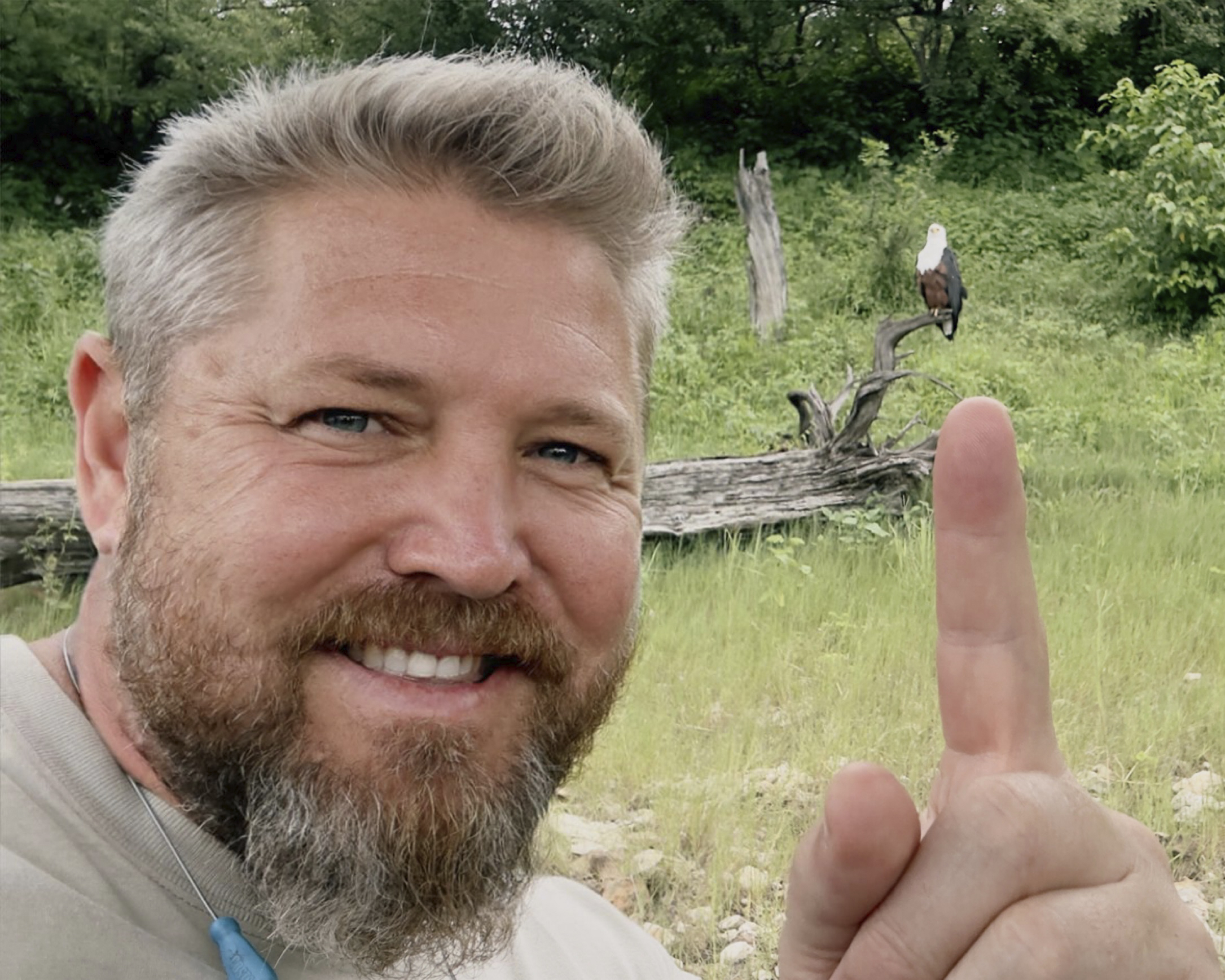
The birdlife was another highlight. We found white-throated rails, cuckoo-rollers and a number of other interesting endemic species. We were also fortunate to locate a Madagascar fish eagle in the area, one of the island's most important and threatened birds of prey.
Anjajavy provided a wonderful contrast to the rest of the journey, with its coastal scenery, beautiful accommodation and different selection of wildlife.
It would be unfair to write about Madagascar without mentioning some of the practical challenges of travelling around the island.
Madagascar is a vast and relatively remote destination, and getting between some of its wildlife areas can be complicated. Domestic flights operate on limited schedules, connections are not always straightforward, and luggage allowances can be restrictive, particularly when travelling with photographic equipment.
We also found ourselves spending more time than anticipated in Antananarivo between some of our flights.
These are simply realities of travelling in a destination like Madagascar. It requires flexibility, patience and a willingness to adapt when plans change. Having the right local support and experienced people coordinating the arrangements makes a significant difference.
Fortunately, we managed to navigate these challenges without compromising the overall experience. We were able to visit all our planned destinations and, most importantly, spend valuable time photographing the wildlife that had brought us to the island in the first place.
For a destination as unusual and rewarding as Madagascar, that flexibility is important.
Looking back, Madagascar delivered exactly what I had hoped it would: a remarkable variety of wildlife, landscapes and photographic opportunities, with something different waiting around almost every corner.
From ring-tailed lemurs and sifakas in the south to wild fossa in Kirindy, extraordinary chameleons and geckos, indri in the eastern rainforests and the unique birdlife of the northwest, the trip was packed with memorable encounters.
What makes Madagascar so special is that you are not simply visiting another African wildlife destination. You are entering an entirely different natural world. The island's long isolation has resulted in an extraordinary collection of species, many of which are found nowhere else.
For wildlife photographers, naturalists and anyone with a genuine interest in the natural world, it is a destination that deserves a place high on the list.
Most importantly, our guests thoroughly enjoyed the experience, and I came away equally enthusiastic. It was a wonderful journey, and one that reminded me just how much there is still to discover in the world.
At Tusk Photo, we have always believed that some of the most rewarding travel experiences are found beyond the usual destinations.
Alongside our scheduled photographic safaris and expeditions, we also arrange custom journeys to remote and extraordinary places around the world. Madagascar is a perfect example of the kind of destination where thoughtful planning, local knowledge and experienced photographic leadership can make all the difference.
Whether you are interested in lemurs, unusual mammals, endemic birds, reptiles or simply exploring one of the world's most fascinating natural environments, we can help put together a journey built around your interests.
Our recent Madagascar expedition was a wonderful reminder of why we love exploring these places, and I am already looking forward to returning.
If Madagascar is somewhere you have always wanted to explore, get in touch with the Tusk Photo team. We'd love to help you plan your own journey to this remarkable island.
Wim van den Heever
Wildlife Photographer & Tusk Photo Host