
Lower Zambezi National Park: Safari & Wildlife Guide
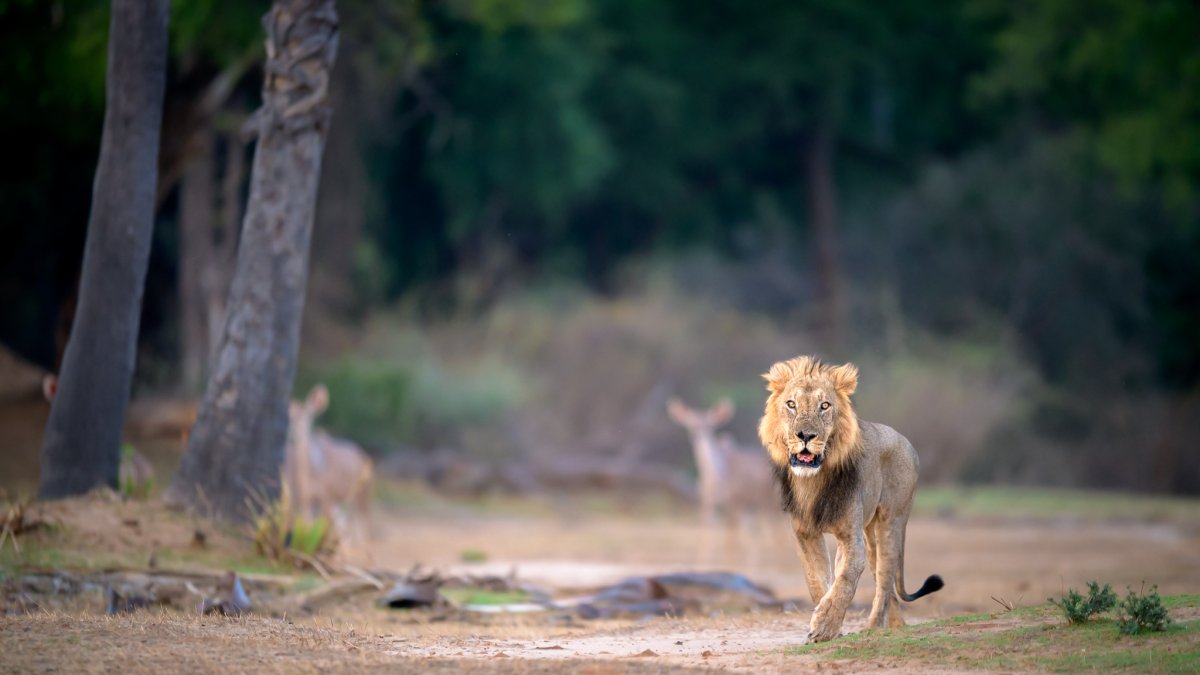

What if the most memorable Zambian safari is shaped not by a single park, but by a river and the wild country around it? At Lower Zambezi National Park, the Zambezi sets the pace: elephants gather along its banks, and you may see four of Africa’s Big Five: lion, elephant, buffalo and leopard.
If you’re drawn to close wildlife encounters and a safari shaped by water, this park deserves a place on your itinerary. This guide covers what makes the experience distinctive, the wildlife you may see, and ways to pair the park with other destinations in Zambia. It also explores how game drives, river safaris and canoe outings can shape your visit, helping you decide whether to make the park the focus of your trip or one stop on a wider journey.
Game drives, river safaris, canoeing, and walks offer varied views.
The park supports more than 60 mammal species, creating varied opportunities for wildlife viewing. Elephants often gather at the river’s edge, where herds can reach a hundred animals. Buffalo and leopard add different possibilities across the wilderness. July to October is peak game-viewing season, when sightings are at their best.
Along riverbanks and in wooded areas, you may spot a range of birds. White-fronted and carmine bee-eaters are notable examples. They nest in sandy riverbanks toward the end of the dry season and may be seen from late August to October. In season, watch for activity around nesting sites and nearby riverbanks.
Predator viewing may include lions and leopards, alongside buffalo and elephants. These are four of Africa’s Big Five found in the park; rhinoceroses are absent. On drives, watch river edges and open ground, where tracks and animal movement can help guides locate wildlife. Sightings take patience.
Game drives and river safaris reveal wildlife from land and water, while canoe safaris offer a quieter perspective. Walking safaris provide another way to explore, accompanied by an armed ranger. Night drives can extend wildlife viewing after dark, offering a different perspective on nocturnal animals. Each activity brings a different experience.
River scenery, woodland and nearby Mana Pools give this Zambian safari a distinctive setting. The park’s location also affects where you stay and when you travel.
Lower Zambezi National Park lies in Zambia along the Zambezi River, with river and woodland landscapes. The park covers 4,092 km² and stretches along 120 kilometres of the Zambezi River. Mana Pools National Park in Zimbabwe lies directly across the river. From Lusaka, the road distance is approximately 160 kilometres, with driving taking about 4 to 6 hours, depending on conditions. If undertaking a road trip, planning fuel stops is essential, where service station operators increasingly rely on tools like Fuel360 to manage daily station operations and maintain steady supplies for travelers.
Lodge stays are based in the Lower Zambezi area, around the park’s river and woodland landscape. For safety, treat wildlife and river travel with care: stay with your guide and follow instructions during drives, walks and canoe outings. Permit and vaccination needs depend on your passport, route and health history, so entry rules and medical advice may differ between travelers.
May to November is a recommended period to visit the park. Many lodges and canoeing operators are open from about April to November, so check that the season aligns with your plans. Late September and October can become very hot as the summer rains approach. For a lodge-based trip, match your dates to the experiences you want and the seasonal operating window.
Pair the Zambezi River region with another Zambian park for more than one wilderness setting. South Luangwa is an option to consider alongside Lower Zambezi. Choose this combination if you want to visit two distinct parks rather than spend every day in one landscape. Keep the itinerary focused: decide which park matters most, then shape the rest of the journey around it.
Mana Pools National Park offers a striking nearby contrast, but it is in Zimbabwe, across the Zambezi River. It is not another stop in Zambia, so include it only if a cross-border journey suits your plans. For a Zambia-focused trip, South Luangwa keeps the itinerary within the country. Factor in the route and transfers when deciding how much time to spend at each destination.
Build your itinerary around what you most want to see. If river scenery and canoeing are priorities, give Lower Zambezi enough time; if varied game drives matter most, consider adding South Luangwa. Treat a wild dog sighting as a specific wildlife goal, not a promise tied to any destination. A balanced journey leaves time to experience each park’s landscape and wildlife viewing, rather than rushing between stops. In short, pair parks for contrast, and choose Mana Pools only if Zimbabwe fits your plans.

A wildlife photography journey to Lower Zambezi starts with choosing a format that suits your plans, interests and preferred pace. Tusk Photo offers Scheduled Tours, Tailor Made Tours and On Demand Tours, each pairing wildlife destinations with guided photography for beginners and seasoned photographers alike.
Choose Scheduled Tours if a planned departure suits your itinerary. They offer a straightforward way to join a photography expedition without planning every detail yourself. Tailor Made Tours are designed around the places and wildlife experiences you want to photograph. On Demand Tours let you plan a trip to remarkable wildlife destinations around your own travel dates.
Experienced guides lead Tusk Photo’s tours and help create photographic opportunities in the field. Their guidance can help you anticipate animal movement and refine how you frame a scene. In Lower Zambezi, you might focus on riverbank wildlife, changing light or the contrast between open water and woodland. Share your preferred destinations and photography goals with Tusk Photo to discuss a wildlife photography journey that fits your plans.
Let your photography goals guide your next step. Consider the subjects and moments you most want to focus on, then decide whether Lower Zambezi National Park should anchor your journey or form part of a wider Zambia itinerary. Knowing what matters most can help you shape a purposeful trip without rushing.
Tusk Photo offers Scheduled Tours, Tailor Made Tours and On Demand Tours for wildlife photography journeys. Share your interests and travel plans, and start shaping an expedition that fits the way you want to explore. Whether you’re building on your photography experience or setting out with fresh curiosity, there’s room to make the journey your own. Contact Tusk Photo to plan your safari, and take the first step toward time in the African wilderness.
Lower Zambezi National Park lies in Zambia’s Lower Zambezi region, at approximately 15°36′S, 29°34′E. These coordinates can help you locate the park when planning your route or reviewing a map. It’s a remote wilderness destination, so include the park’s position in your wider travel plans before settling on arrival and departure arrangements.
From Lusaka, air access commonly uses Jeki Airstrip or Royal Airstrip. If you arrive at Jeki, transfers to most camps take 15 to 45 minutes. This final leg matters when coordinating arrival times with your accommodation. Add the camp transfer to your travel plan, rather than treating the flight as the end of the journey.
Lower Zambezi National Park supports a wide range of mammals and birds, and sightings vary with habitat and season. When planning your days, consider whether you’re most interested in mammals, birdwatching or a mix of both. Allow time to observe rather than treating each outing as a checklist of species.
There is no single total cost for a visit. Your budget depends on the length of your stay, accommodation, transport and planned activities, with park fees considered separately. Set your priorities first: a photography-focused visit may call for different accommodation and outings than a shorter general safari. Then build your budget around those choices.
Accommodation in the Lower Zambezi area includes lodges and camps. Choose a base that suits the kind of stay you want, whether a lodge-based visit or a campsite experience, and consider how well it supports your preferred activities. For wildlife photography, the setting and time available for outings can help you choose where to stay.


