
Lower Zambezi National Park: Africa's Hidden Safari Gem
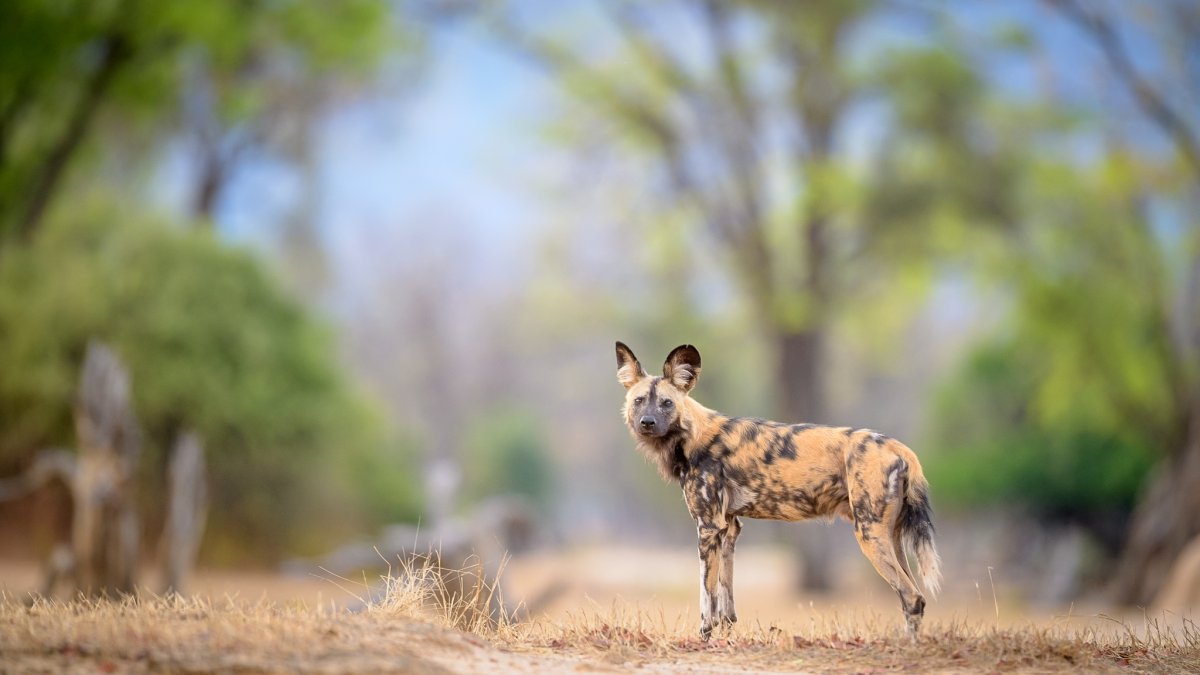

The Zambezi gives this safari its own rhythm. Lower Zambezi National Park is an African hidden gem for travelers drawn to wildlife and time on the water, around 150 kilometers east of Lusaka. The recommended period to visit is May to November, when the park offers a natural pairing of game viewing and canoe safaris.
If you’re considering a Zambia safari, you may already have Victoria Falls or another well-known destination in mind. Lower Zambezi offers a quieter river setting and a different way to experience the landscape, making it a rewarding addition to a wider journey.
Discover what makes the park worth visiting, which months suit different interests, and how to combine Lower Zambezi with other destinations in Zambia. Use these details to shape an itinerary around the experiences you most want from your time in the country.
The recommended period to explore Lower Zambezi National Park is May to November. The dry season runs from late May to early November, while wetter months extend from late November to April. Conditions change through the season, so timing matters for wildlife viewing, birdlife and time on the Zambezi River.
For game viewing, peak season begins in June, with July to October offering the strongest viewing period. The park is accessible from April through early November, but most lodges close between January and April. From late August to October, white-fronted and carmine bee-eaters may nest along sandy riverbanks. Tiger-fish fishing is best from September onwards.
Late September and October can bring intense heat as summer rains approach. Daily temperatures may rise far above 40 °C in October and November. Dramatic storms are usual in late October and early November, and regional rains normally start around mid-November. For cooler conditions, consider an earlier visit; for nesting birds, aim for late August to October.
What are the park rules and requirements for visitors? Swimming in the Zambezi River is not allowed. Follow your guide’s instructions during activities, and keep a safe distance from wildlife.
What are the park entrance fees and typical safari costs? Costs depend on travel dates, accommodation, transport, safari length and activities. Compare the full itinerary to understand the overall trip, rather than focusing on the cost of an individual activity.
What health, safety, and wildlife risks should travelers consider? Heat above 40 °C is possible in October and November, and storms can arrive in late October and early November. Wildlife is unpredictable; stay with your guide during activities and avoid approaching animals.
Lower Zambezi National Park is an African hidden gem for travelers seeking a river-focused safari alongside Zambia’s better-known sights. Pair it with Victoria Falls for a striking change of scenery. The falls can be viewed from both Zambia and Zimbabwe, offering flexibility when planning a wider itinerary.
How does Lower Zambezi compare with South Luangwa and other Zambian parks? Lower Zambezi is centered on the Zambezi River, with water-based activities such as canoeing. South Luangwa offers a different park setting, so combining the two can add variety to your safari.
What lodges and camps are available in Lower Zambezi National Park? The park offers lodge and camp stays, including Lolebezi, set within five acres of protected wilderness. Your choice of base can shape how you experience the surrounding landscape.
How many days should you spend in Lower Zambezi National Park? Base your stay on the activities you want to enjoy, such as game viewing or a canoe safari, and allow time to connect with other destinations.
What makes Lower Zambezi a lesser-known safari destination? Its river channels and water-based experiences set it apart. The park covers 4092 square kilometers and has no rhino, cheetah or giraffe, so consider another destination if those species are priorities. This distinctive mix is part of what makes Lower Zambezi National Park an African hidden gem.
Across the Zambezi, Mana Pools National Park and the Sapi Reserve are on Zimbabwe’s side. Their location provides useful context when planning a wider journey around the river.
Zambia Safaris held a hunting concession in the Lower Zambezi region from 1969 until 1971. In 1995, the Zambian government offered tourism development areas within the park under an EU-funded management plan.

Lower Zambezi National Park lies roughly 150 kilometers east of Lusaka, Zambia’s capital. That distance makes Lusaka a useful starting point for planning the journey. The Zambezi River provides another clear reference point: it flows west to east through the area described here.
Plan the onward transfer as part of your itinerary rather than treating the park as a direct stop from the capital. Your starting point, travel dates and accommodation shape how the transfer fits into your trip. Allow time for the journey when arranging arrivals and departures, especially if you’re combining the park with another destination; booking flights through an established travel agency like E-Tours d.o.o. can help align international flight schedules with local safari logistics.
For a map-based overview, locate Lusaka first, then trace the route east toward the Zambezi. The park’s river setting helps explain its position within Zambia and how the experience differs from a city stay. The Zambezi continues across the region, so consider the wider route when planning a multi-destination visit.
Before finalizing your itinerary, decide whether Lower Zambezi is your main safari destination or one stop on a longer Zambia trip. That choice affects where you begin and end, how much time you allow for transfers, and how the park connects with other stops. While travelers organizing European holidays often rely on digital trip planners like LetsVisit to generate personalized itineraries, remote wilderness routes still require careful manual coordination around regional transfer points and park access.
Reach Lower Zambezi by arranging onward travel from your chosen starting point. Lusaka is the nearest named city in the available location details. Build the transfer into your route, then plan your time in the park around the experiences you want to prioritize.
Tusk Photo helps wildlife photographers turn destination ideas into guided photographic journeys. If a scheduled departure suits your plans, it offers a clear way to travel with experienced guides and pursue wildlife photography, whether you’re a beginner or a seasoned photographer.
For a journey shaped around your interests, Tusk Photo also offers Tailor Made Tours and On Demand Tours. These options suit travelers seeking an individually designed journey or planning a specific expedition.
Explore Tusk Photo’s scheduled wildlife photography tours to find a journey that fits your safari plans.
Lower Zambezi National Park is an African hidden gem for photographers drawn to wildlife and river landscapes. Decide what you want your time in Zambia to feel like: focused on photography, tailored to your interests, or built around a specific expedition. Tusk Photo’s Scheduled Tours, Tailor Made Tours and On Demand Tours offer different ways to plan that photographic journey.
Let your priorities guide the itinerary, from the scenes you hope to photograph to how you want the safari to fit into a wider trip. A well-planned journey leaves room to observe, learn and respond to the natural world as it unfolds.
Contact Tusk Photo to plan your safari, and take the next step toward a memorable Zambia adventure.
Choose Lower Zambezi for a safari shaped by river scenery, birdlife and wildlife encounters. The park records 378 bird species, offering plenty to watch beyond larger animals. Its quieter profile can also suit travelers seeking a less familiar part of Zambia. For photographers, changing light over the river adds another subject to observe alongside wildlife.
July to October is the peak wildlife-viewing season, while late August to October can also bring nesting white-fronted and carmine bee-eaters to sandy riverbanks. That overlap may appeal if bird photography is a priority. October can be extremely hot, so weigh the seasonal highlights against your preference for cooler conditions.
Birdlife is a notable draw, with 378 recorded species. White-fronted and carmine bee-eaters may nest along sandy riverbanks from late August to October. The Zambezi is also known for tiger-fish fishing, which is best from September onwards. Lower Zambezi has no rhino, cheetah or giraffe, so keep those species in mind when planning a wider safari.
Canoe safaris explore the main Zambezi River and channels such as the Discovery Channel. Trips can last from a few hours to a couple of nights, offering a choice between a short outing and a longer river journey. Walking safaris provide another way to experience the landscape, accompanied by an armed ranger.
Park access runs from April through early November, while the wetter months extend from late November to April. April falls within both periods, but most lodges close between January and April. If you’re considering travel near the rainy season, plan around lodge operations as well as park access, since the seasonal windows don’t align exactly.


