
Leopard Photography Safari Tips: Capturing the African Ghost in 2026
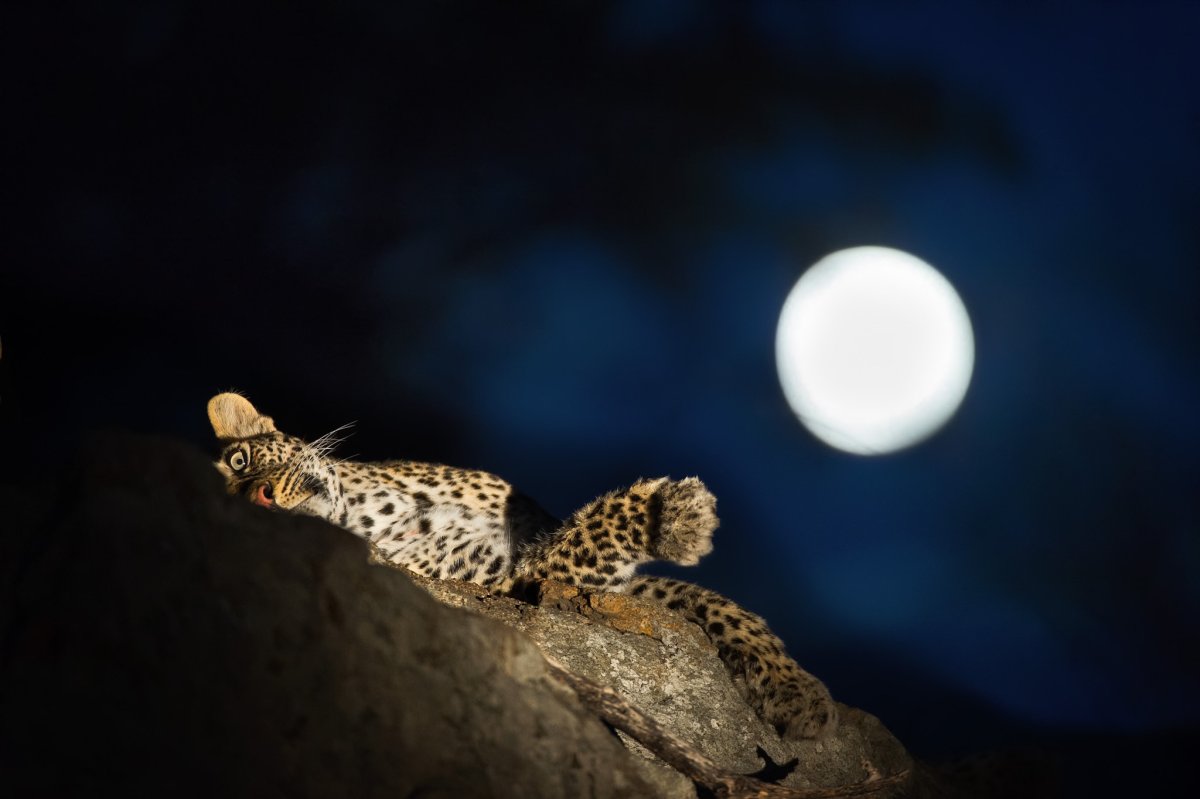

Imagine sitting in an open vehicle in the Sabi Sands as the sun dips below the horizon. Suddenly, a flick of a tail reveals a leopard perfectly camouflaged in a marula tree. Most photographers panic in this moment, worrying about blurry shots in the fading light or thick branches blocking the view. It's a common struggle, and it's okay to feel a bit overwhelmed when the "African Ghost" finally appears. You've likely spent years dreaming of this encounter, only to worry that your gear or skills might let you down when the pressure is on.
These leopard photography safari tips are designed to turn that stress into confidence. We'll show you how to predict a leopard's next move and which camera settings work best for those tricky, dappled light spots. We will also look at why choosing the right scheduled or tailor-made tours makes all the difference in your success rate. From understanding feline behavior to mastering your focus, this guide gives you the tools to capture sharp, professional images on your next big adventure.
Leopards aren't called the "ghosts of the bush" for nothing. They are masters of blending in, which means they can be right in front of you without you even knowing it. To make the most of your leopard photography safari tips, you'll need to pack plenty of patience. Forget scanning the horizon like you would for lions or cheetahs. Instead, scan the trees. Look for shapes that don't quite fit the landscape. A vertical line hanging from a horizontal branch is often a dangling tail. A small patch of white fur in a dark thicket could be the back of an ear or a paw.
Predicting their movement is the secret to getting a clear shot before the action happens. Watch the leopard's eyes closely. If they stop and stare intensely in one direction, it's time to get your camera up and your settings ready. They've likely spotted prey or a rival. Another huge advantage is finding a "kill" stashed high in a tree. Leopards do this to protect their meal from scavengers like hyenas. If you find one, you've found a multi-day photo opportunity, as the leopard will stay close and return to that spot frequently.
These cats love the "golden hour" just as much as photographers do. Dawn and dusk are their prime hunting times when they are most likely to be on the move. Since they often hide in thickets, your camera might struggle to find the right focus point through the messy branches. Our guides on scheduled tours suggest focusing on the eyes the moment they peek through the leaves. This ensures your images stay sharp even when the leopard is surrounded by heavy cover.
Choosing the right lens is your first step toward success. Since leopards are shy and often keep their distance, a 100-400mm or 200-600mm lens is usually the sweet spot. These give you the reach to capture intimate details without disturbing the cat. Even if your subject looks like it's deep in a nap, keep your shutter speed fast, around 1/1000s. A leopard can go from sleeping to leaping in a heartbeat; you don't want a blurry mess when the action starts.
One of the biggest challenges in leopard photography safari tips is managing "dappled light." This happens when sunlight filters through leaves, creating bright spots and dark shadows on the leopard's coat. To fix this, try underexposing your shot slightly to save the details in the bright areas. If your camera has eye-tracking, turn it on. It's a total game-changer for wildlife, as it locks onto those golden eyes even when the cat is moving through tall grass.
Thick bushes often trick your camera's auto-focus. Use these three steps to see through the clutter:
• Switch to a single-point focus mode.
• Move that point directly onto the leopard's eye.
• Gently half-press to lock before taking the shot.
You can also use these wildlife photography tips for beginners to learn how depth of field helps blur out those distracting branches. If you're feeling stuck, our tailor-made tours let you spend as much time as you need with a single leopard to get the settings just right.

Location is everything when you want that perfect shot. The Sabi Sands and Greater Kruger areas are world-famous for having some of the highest leopard densities on the planet. But being in the right area is only half the battle. You also need a guide who understands photography. A regular ranger might just stop when they see a cat; however, a photography-trained guide will position the vehicle so the light hits the leopard's face perfectly. They understand that a few inches of movement can make or break your image.
Choosing between our scheduled or on-demand options depends on your personal goals. A tailor-made photography safari is a fantastic choice if you want a specific shot for your portfolio. It gives you the freedom to spend hours at a single sighting. You can wait patiently for that one moment when the leopard finally looks up or starts to climb. These leopard photography safari tips only work if you have the time and space to apply them without feeling rushed by other travelers who might want to move on to the next animal.
Our Tusk Photo guides are true masters of the craft. They don't just find the animals; they anticipate what's going to happen next. By watching small signs like a twitching ear or a low growl, they can move the vehicle before the action even starts. This puts you in the best spot to capture a leopard in mid-air or mid-hunt. If you're ready to start planning your journey, check our available tour dates to see when the leopard-viewing seasons are at their peak. Being in the right place at the right time is the ultimate secret to a successful trip.
Capturing the African Ghost requires a mix of technical skill and deep respect for the wild. By watching for small signs like a dangling tail and mastering your camera settings to handle tricky light, you'll be ready when the moment arrives. These leopard photography safari tips are your foundation for success in the field. It takes practice. However, nothing beats having a professional mentor by your side to help you navigate the thickets of the Sabi Sands. Our trips offer small group sizes for better vehicle positioning and access to the world's best leopard territories. You'll benefit from expert photography hosts who act as mentors throughout your immersive experience. If you're ready to see these cats for yourself, explore our scheduled photography tours to find your next leopard encounter. We can't wait to help you bring home the images you've always dreamed of.
A telephoto zoom lens, like a 100-400mm, is the ideal choice for these shy cats. It lets you frame the leopard closely while still showing the beautiful African bush around them. This flexibility is key when the cat moves from a distant tree to right beside your vehicle. Having that zoom range helps you get the most out of your leopard photography safari tips.
Leopards are most active during the "blue hour" and "golden hour." This means you'll want to be ready just before sunrise and just after sunset. The light is soft and flattering during these times, which helps avoid harsh shadows on their spots. Since they are nocturnal hunters, these cooler hours are when you're most likely to see them moving or hunting.
You should increase your ISO setting to make your camera more sensitive to the low light found under thick branches. Use a wide aperture, which is a low f-number like f/4, to let in as much light as possible. This also helps keep the leopard's eyes sharp while blurring out the messy leaves and branches in the background so they don't distract from your subject.
You don't need a full tripod because they are usually too bulky to use inside a safari vehicle. Instead, most photographers use a beanbag or a monopod. These tools allow you to steady your camera against the side of the truck without taking up much space. It's much easier to move quickly when the leopard suddenly changes position or jumps down from a branch.


