
Is Africa Safe? Why Your Guided Safari is Secure
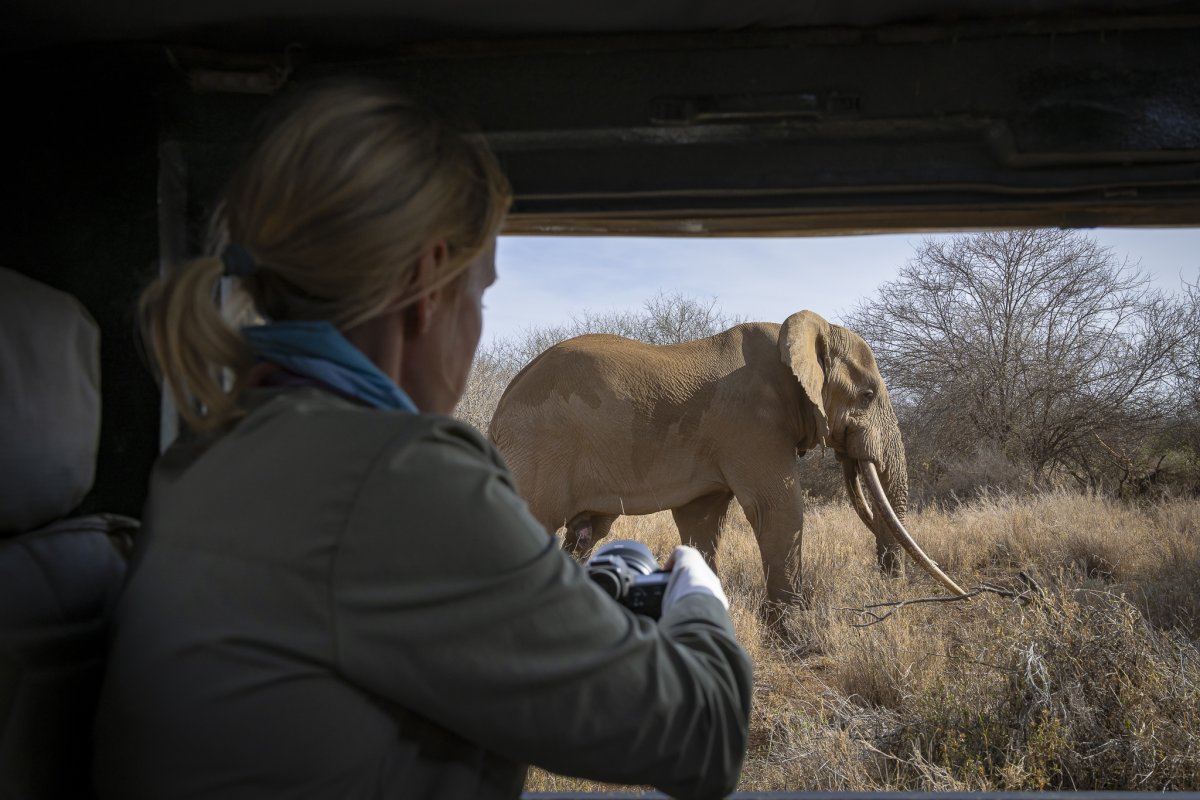

What if the vast plains of the Masai Mara are actually more secure than a busy street in your own city? It's completely normal to feel a bit of nerves when you're thinking about a trip to a new continent, especially when you have questions about wildlife or keeping your camera gear safe. That's exactly why Africa is a safe safari destination for travelers who choose the right path. When you travel with experts, those big worries quickly turn into a sense of wonder and excitement.
In this guide, we'll show you why a guided safari is one of the most secure and rewarding travel experiences you can choose. We'll look at how professional guides use their deep knowledge of animal behavior to keep every encounter safe; we'll also share practical tips for looking after your gear and explain how organized logistics mean you're never left to figure things out on your own. By the end of this, you'll feel confident and ready to focus on the incredible sights waiting for you.
The version of Africa you see on the evening news is rarely the version you’ll experience from the seat of a safari vehicle. News headlines often focus on specific events in large cities, but those urban centers are worlds away from the quiet, controlled environments of national parks. Understanding this difference is the first step in seeing why Africa is a safe safari destination for your next big adventure.
You might feel a bit exposed in an open-sided vehicle when a lion is just a few feet away, but there is a science to why you're safe. Animals in these parks are "habituated" to the presence of safari trucks. They don't see you as prey; they see the vehicle as one large, non-threatening object that doesn't behave like a predator or a food source. As long as you stay inside the vehicle and follow your guide's instructions, the animals will simply ignore you and go about their day.
In early 2026, East Africa saw an 18.6 percent increase in airline seat capacity, showing that more people than ever trust these regions for their holidays. This trend, often called "Safe Haven Tourism," highlights how stable and geographically isolated these safari destinations are from global conflicts. When you book a guided trip, you're never left to navigate unfamiliar areas on your own. Professional teams handle your transport and logistics, ensuring you move through the country with ease and total peace of mind.
A great trip starts with a simple set of rules known as the Safari Code of Conduct. These aren't just suggestions; they are the foundation of why Africa is a safe safari destination for thousands of visitors every year. The most important rule is also the easiest: always listen to your guide. They aren't just there to find the animals; they are experts in reading the landscape and animal body language to ensure you stay out of harm's way.
Beyond wildlife, staying healthy is key to enjoying your trip. Keep these basics in mind:
The African sun is stronger than you might think. Drink plenty of water throughout the day.
Wear a hat and apply high-SPF sunscreen regularly.
Choosing scheduled photography tours adds an extra layer of safety. Traveling with a group and a professional leader means you're never navigating logistics or unfamiliar spots alone.
When you're in the vehicle, never stand up or wave your arms when predators are nearby. To a lion, the vehicle is just a single large object, but if you stand up, you break that silhouette and become a recognizable individual. Also, always stay inside the camp or lodge perimeter after dark. Many lodges use guards to walk you to your room at night, so take advantage of their help and never wander off alone.
Your camera gear is an investment, and the bush can be tough on equipment. Fine dust is your biggest enemy, so keep your cameras in a bag or covered with a cloth when you aren't shooting. It's also easy to get "viewfinder vision," where you become so focused on the shot that you lose track of what's happening around you. Always take a moment to look up and check your surroundings. Finally, make sure your travel insurance specifically covers high-end photography gear for peace of mind while you're in the field.

Booking a trip to a new continent can feel a bit daunting, but having a professional by your side changes the entire experience. A guide acts as your personal safety buffer; they handle the complex details so you can focus entirely on your photography. This layer of professional support is a primary reason why Africa is a safe safari destination for travelers who want to explore without the stress of navigating the unknown. When you travel with an expert, you aren't just a tourist; you're part of a carefully managed expedition.
A guide also serves as a mentor who helps you understand the environment. They teach you how to respect the land and its inhabitants, which naturally keeps you out of risky situations. By joining a scheduled wildlife photography tour, you benefit from "safety in numbers" and the collective experience of a team that knows exactly where to go and what to avoid.
Our guides spend years studying the bush, and they are trained to read animal body language long before a situation becomes tense. They can tell the difference between a curious elephant and one that needs more space, ensuring your vehicle is always in the "safe zone." Beyond wildlife, our professional hosts manage group dynamics. They keep everyone organized and aware, making sure you don't get so distracted by your camera settings that you forget your surroundings.
Travel stress often comes from the "in-between" moments, like finding transport or navigating unfamiliar cities. With custom-designed journeys, these risks are removed. Every lodge and transport partner in our network is pre-vetted for safety and reliability. You won't have to worry about getting lost or ending up in an unsafe area because your entire route is planned by locals who know the terrain. From the moment you land until you head home, you're part of a secure, professional system that puts your well-being first.
Choosing a safari is about more than just seeing the Big Five; it's about feeling secure every step of the way. We've explored how the controlled environment of the bush differs from the city and how professional guidance turns a wild encounter into a safe, respectful experience. When you travel with experts, you aren't just visiting a park; you're following a path that's been tested and refined over years of field experience.
This deep commitment to logistics and animal behavior is exactly why Africa is a safe safari destination for travelers who value peace of mind. At Tusk Photo, we bring over a decade of experience in African wildlife expeditions to every trip. Our tours are led by professional photography hosts who act as your mentors, and we partner only with vetted luxury lodges to ensure your comfort and security are never in question.
Your dream of capturing the perfect shot in the wild is closer than you think. Explore our safe and professional 2026 photography tour dates and see how we handle every detail for you. We're ready to show you the beauty of the wild in the most secure way possible.
Open safari vehicles are very safe because big cats like lions and leopards view the vehicle as a single, non-threatening object rather than a collection of individuals. As long as you stay seated and keep your limbs inside, the animals will generally ignore you. This predictability is one reason why Africa is a safe safari destination. Your guide will always position the truck at a distance where the animals feel comfortable and relaxed.
It's perfectly safe to travel alone for photography as long as you join a scheduled tour. Being part of a group means you have a professional leader handling all the logistics and transport from the moment you arrive. You'll never be left alone in an unfamiliar area or have to worry about navigating local roads by yourself. It's a great way to meet other photographers while staying in a secure, managed environment.
Botswana, Namibia, and Kenya are excellent choices for a first-time safari due to their long history of stable tourism. These countries have well-established park systems and great infrastructure for international visitors. Their focus on high-quality, guided experiences ensures that you can focus on your photography while the experts manage your safety. These regions help explain why Africa is a safe safari destination for those who are visiting for the first time.
Lodges in wildlife areas use a combination of physical barriers and professional security to keep you safe at night. Many properties have subtle fencing, while others in more open areas provide trained guards to escort you between your room and the main lodge after dark. You'll always be given clear instructions on how to call for assistance if you ever feel uneasy, ensuring you can sleep soundly while the bush comes alive outside.


