
Ethical Wildlife Photography Guidelines: Getting the Best Shots Respectfully in 2026
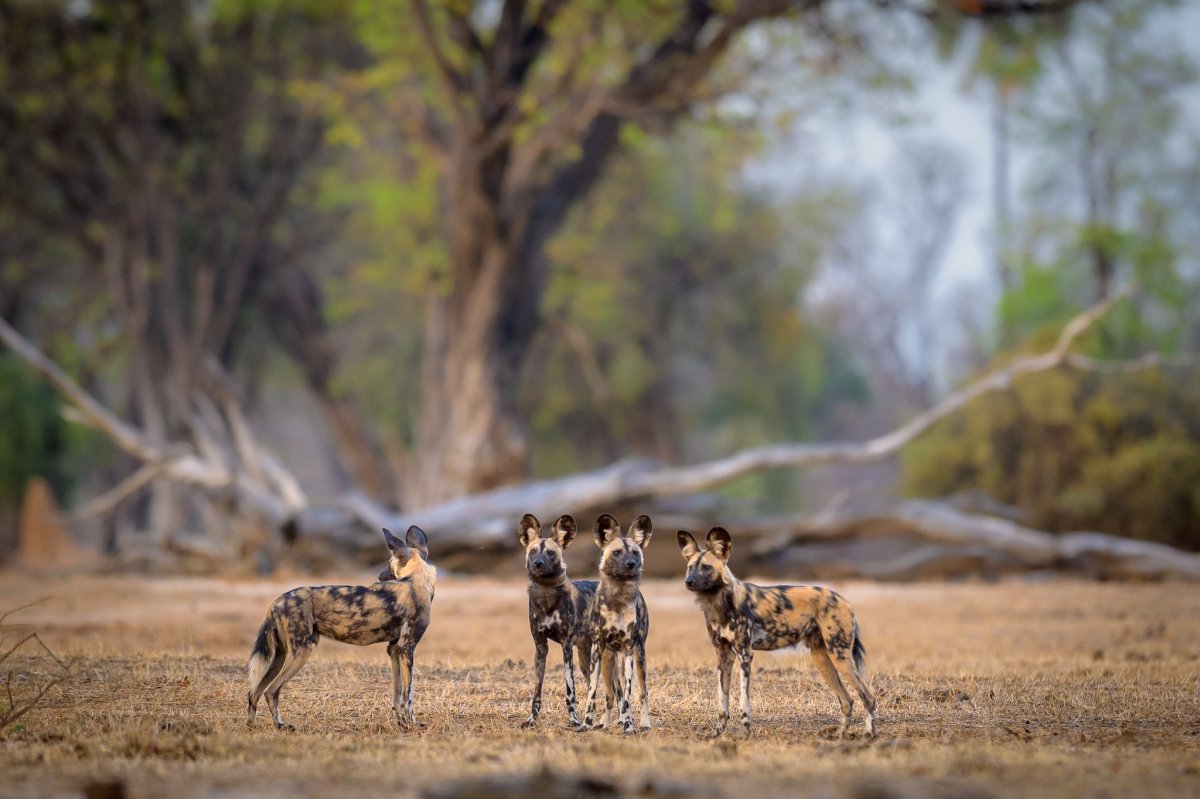

What if the secret to getting a world-class wildlife photo isn't about having the biggest lens, but about knowing when to step back? We've all felt that heart-pounding rush when a rare animal finally steps into the light. It's tempting to push the limits to get the perfect shot, but you probably also worry about accidentally causing stress or breaking local rules. Following clear ethical wildlife photography guidelines helps you manage that pressure while ensuring the safety of the animals you love to photograph.
You don't have to choose between a stunning image and a healthy habitat. We'll show you how to capture professional-quality shots by understanding animal body language and respecting boundaries, like the 100-yard distance rule. You'll learn about the latest 2026 drone regulations and how to handle park-specific laws with confidence. This guide provides a practical roadmap to help you protect the natural world while documenting its most profound moments.
Many people think that following ethical wildlife photography guidelines is just a list of rules that get in the way of a great shot. In reality, it's quite the opposite. When you put the animal's needs first, you actually set yourself up for much better results. A stressed animal usually looks flat, scared, or tense in a photo. Their eyes might show fear, or their posture might look unnatural as they try to hide. These aren't the images that win awards or tell a compelling story.
True professionals know that a relaxed subject is a beautiful subject. When an animal feels safe, it shows its real personality. This is when you'll witness those rare, high-impact behaviors like a mother grooming her young or a predator preparing for a hunt. By being a quiet, respectful observer, you become a master of the craft who understands their subject deeply. This approach turns a simple snapshot into a significant life event.
Learning to read the room is a vital skill in the field. Animals often give subtle warnings before they bolt. Watch for these simple signs of stress:
This often shows agitation or nervousness.
If an animal stops mid-motion and stares at you, you've likely crossed a line.
Looking at your camera for too long means they're tracking you as a potential threat.
Never try to "flush" an animal by making noise to get them to fly or run. It drains their energy and usually results in a messy, panicked shot. It's always better to wait. Let the animal move first on its own terms. This patience is exactly what our guides teach on our Scheduled Tours, where we prioritize the animal's comfort over a quick click. By staying back at least 100 yards, you give the animal the space it needs to act naturally.
The most important rule in any set of ethical wildlife photography guidelines is simple: keep your distance. If an animal stops what it's doing because of you, you're too close. Research suggests staying at least 100 yards away from most wildlife. This ensures they don't feel hunted or harassed. Never use food or bait to lure a subject. "Paying" for a shot with a snack teaches animals to associate humans with food, which ruins their natural survival skills and often leads to dangerous encounters later on.
Leaving the habitat exactly as you found it is just as vital. Stay on marked paths to avoid crushing delicate plants or nesting sites. If you brought trash in, make sure it goes home with you. Finally, be honest with your audience. If you took a photo in a sanctuary or used a specific setup, say so in your caption. Transparency helps others understand what a truly "wild" encounter looks like versus a controlled one.
Using the right tools makes it easier to be respectful. A long telephoto lens, like a 400mm or 600mm, is your best friend. It lets you fill the frame with detail without physically invading an animal's space. Pair this with a "silent shutter" mode to avoid that loud clicking sound that can startle sensitive species. For those who prefer a slower, more respectful pace, our Tailor Made Tours offer the perfect chance to practice these skills with an expert mentor.
In 2026, drone rules have become much stricter. It's now illegal to fly drones in US National Parks and designated Wilderness areas. Even where they are allowed, the buzzing sound often stresses animals, especially during nesting seasons. Unless you have a specific permit and are far away, it's usually better to keep your feet on the ground.

Sometimes the hardest part of following ethical wildlife photography guidelines is knowing when you're pushing too hard. A professional guide acts as your second set of eyes in the field. They understand animal behavior deeply and can spot early signs of stress that a photographer focused on their viewfinder might miss. This mentorship ensures you get the shot without causing harm. Following these standards is much easier when you have an expert by your side to offer real-time advice.
Joining scheduled photography tours also takes the stress out of logistics. You don't have to worry about complex local laws or hunting for specific permits. For instance, in Western Australia, the Biodiversity Conservation Act 2016 protects all fauna, and commercial photographers often need to submit applications six weeks in advance. Expert-led tours handle these details so you can focus on your craft. Traveling with a group of like-minded photographers also creates a tribe where everyone holds each other accountable to high standards.
Choosing an operator that prioritizes animal welfare over "guaranteed" close-ups is a great first step. If a tour promises a specific interaction, it might be a red flag. Instead, look for tailor-made photography safaris if you prefer a slower pace. These bespoke journeys allow you to spend hours waiting for a natural moment to happen on its own. Professional tours often contribute directly to local conservation, meaning your trip helps protect the species you're documenting.
Check out the latest Tusk Photo tour dates to find an expedition that matches your values. Whether you're a beginner or a pro, having a guide ensures you're always acting as a protector of the wild while capturing its beauty.
Mastering the craft of wildlife photography is about more than just settings and gear; it's about building a deep respect for your subjects. By following clear ethical wildlife photography guidelines, you ensure that every image you capture is authentic and every animal stays safe. Remember that a relaxed animal tells a much better story than a stressed one. Whether you're watching for subtle signs of stress or using a long lens to keep your distance, your patience will always pay off in your portfolio.
If you're ready to take your skills to the next level, we're here to help. Our expeditions are led by world-class photography hosts in small groups to keep our impact low. You'll enjoy immersive, field-based learning in some of the world's most stunning locations. Ready to capture the wild respectfully? View our 2026 tour dates here. We can't wait to see the incredible stories you'll tell through your lens.
It is best to avoid using a flash whenever you're in the field. A sudden burst of light can startle animals or even temporarily blind nocturnal species like owls. While some people use a tiny bit of fill-flash in bright daylight, most ethical wildlife photography guidelines suggest relying on natural light. This keeps the encounter stress-free and results in a more authentic, natural look for your images.
You should lead by example first. If you feel comfortable, a friendly conversation about the animal's welfare can sometimes help. Many people don't realize they're causing stress. If the behavior is dangerous or happening in a protected park, it's better to report it to a local ranger or official. Avoid public shaming on social media; focusing on education usually has a more positive, lasting impact.
Your lens power doesn't change the physical space an animal needs to feel safe. Even if you have a 600mm lens, you should maintain a respectful distance, usually at least 100 yards for larger mammals. If the animal stops eating, looks at you, or changes its path, you're definitely too close. High-quality gear is meant to help you stay further away, not to help you crowd the subject.
Not at all, but it does mean you should be honest about where the photo was taken. Ethical photography is about transparency and ensuring the facility treats its animals with respect. Avoid places that offer "pay to pet" interactions or use animals for entertainment. When you post these images, clearly state they were taken in a controlled environment so you don't mislead your audience about wild behavior.


