
Best Time to Photograph Big Cats in Africa: A Seasonal Guide
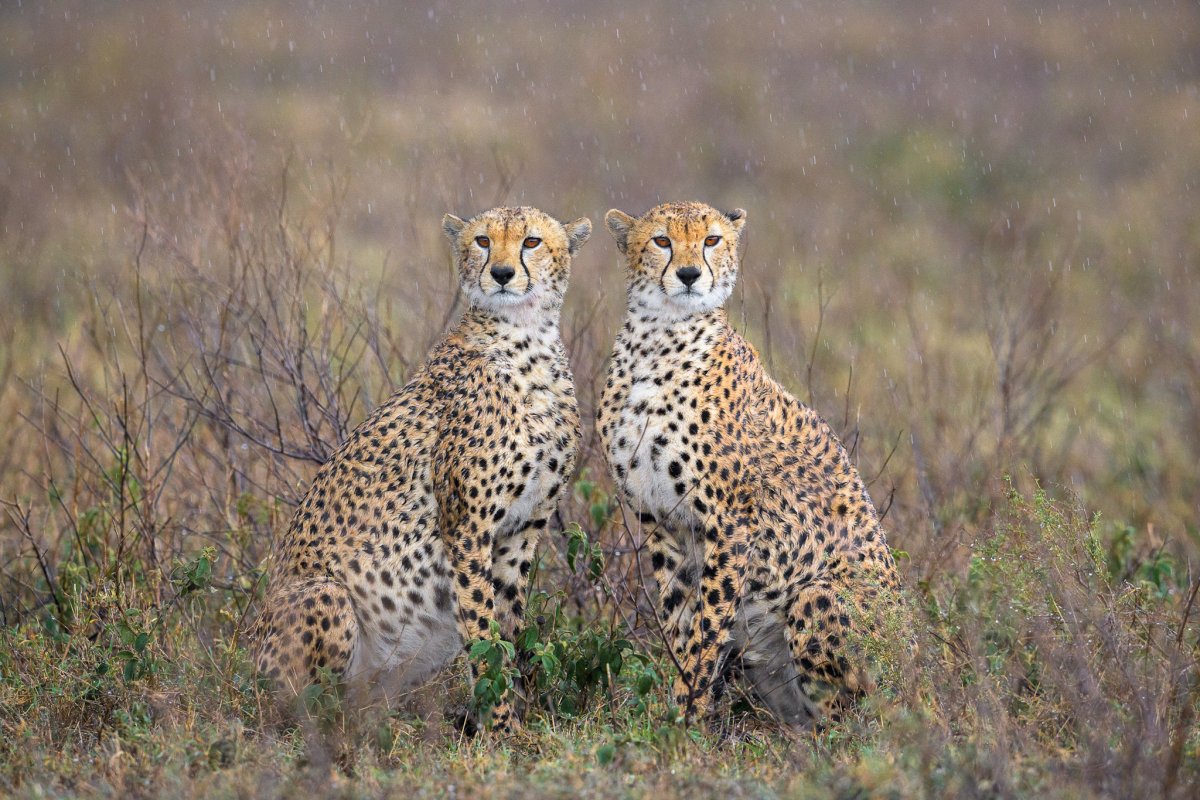

The dry season isn’t automatically the best season for big-cat photographs. Shorter grass and animals gathering near water can make sightings easier, so it’s an appealing choice. But if you’re planning the best time to photograph big cats Africa, start with more than visibility: the species you hope to see, the landscape you want in your frame and the light you’re looking for all matter.
A green-season trip can bring softer light, dramatic skies and fresh predator activity, while dry-season conditions often offer clearer views across open ground. Early mornings and late afternoons matter in every season, when the light softens and cats may be active. This guide compares seasonal trade-offs across different habitats, explores where lions, leopards and cheetahs fit best, and helps you choose a travel window based on your photographic priorities.
The right timing depends on the cat you hope to photograph, its habitat, local weather patterns and the images you want to bring home. A lion in open grassland calls for different conditions than a leopard among trees or a cheetah framed by a wide horizon. Start with the image you have in mind, then match your travel window to a destination and setting that suit it.
There is no single best month for photographing every African big cat. Seasons affect what you can see, but their impact varies between regions and habitats. Rainfall can change how dense the vegetation becomes, where water is available and how far animals move in search of food or water.
Vegetation shapes the frame as much as the sighting. Shorter grass may leave a cat less concealed against the landscape, while thicker growth can partly hide it but add texture, depth and a stronger sense of habitat. After rain, greener surroundings and cloud-filled skies may create a richer backdrop; clear conditions can produce a simpler, more open scene. Neither look is automatically better. Choose based on the photograph you want to make.
Local conditions matter. Rainfall timing and intensity differ across Africa, so a seasonal label doesn’t tell the whole story. Water spread across the landscape may affect where animals travel, while seasonal changes in sunrise and sunset shift the available natural light. Weather can also be less predictable, making flexibility valuable. A guided journey planned around your target species and preferred setting can help you make these choices. Tailor-made photography tours let you shape the destination and timing around your photographic interests.
Choose your target cat first, then compare the landscapes and seasonal conditions that suit the photograph you have in mind. Open plains can offer room to frame lions and cheetahs against the horizon; woodland settings give leopard images a more intimate feel. The best time to photograph big cats Africa has to offer depends on these differences, not just the calendar.
| Cat and region | Habitat and seasonal considerations |
|---|---|
| Lions, Maasai Mara and Serengeti | Open grassland can suit wide landscape images. Drier conditions may make cats easier to spot in shorter vegetation; greener conditions bring richer backgrounds. |
| Leopards, Sabi Sands | Woodland and woodland along rivers can create layered, intimate frames. Dense vegetation may make sightings harder to photograph clearly. |
| Cheetahs, Maasai Mara and Serengeti | Open plains can suit photographs that show speed and the surrounding landscape. Grass height and visibility vary by local conditions. |
| Big cats, Okavango Delta | A varied mix of habitats offers different settings. Seasonal water patterns shape the landscape, so conditions depend on timing and location. |
Think about the frame, not only the animal. For a cheetah against open country, consider the plains of the Mara or Serengeti. For leopard portraits among trees, Sabi Sands offers a woodland setting. The Okavango Delta may appeal if you want varied habitats in one region.
Month-by-month planning needs local context. January to March is the southern Serengeti’s calving season, when wildebeest births attract predators. Elsewhere, broad dry-season and green-season patterns are only a starting point; rainfall and conditions vary by place and year. Compare the local rainfall, vegetation and wildlife patterns for your chosen destination, then decide which conditions best fit the images you want. Experienced guides can help shape a trip around those priorities, and tailor-made photography tours can align destination and timing with your preferred subjects.

Turn your photographic idea into a travel plan one choice at a time. This keeps the best time to photograph big cats Africa offers tied to your priorities, rather than a general calendar rule.
Decide whether lions, leopards or cheetahs are your main focus.
Look for settings that suit your intended images, from open plains to woodland or a mix of landscapes.
Consider how local rainfall and vegetation may affect visibility, scenery and access to the habitats you want to photograph.
Weigh those conditions against your schedule and the natural light you hope to work with.
Build the light into your decision. Early morning and late afternoon often offer softer light, but the right season also depends on whether you want a clear view across open ground, a rich green setting or a more varied series of images. Wildlife is never on a fixed timetable, so plan for the conditions and photographic opportunities, not a guaranteed encounter.
A scheduled departure can suit you if its destination and dates match your photographic priorities. Browse African photography tour options alongside scheduled tour departure dates to compare the journeys and timing. If a particular species, region or travel window is central to your plans, a tailor-made photography journey can be shaped around those interests. Experienced guides help you make focused use of your time in the field.
Before choosing dates, picture the photograph you hope to create: a lion at first light, a leopard in the shade, or a cheetah moving across open country. That image can help you decide which destination and travel window feel right. The best time to photograph big cats Africa offers is the one that fits your creative priorities, while leaving room for the unexpected moments that make a wildlife journey memorable.
Tusk Photo’s scheduled, tailor-made and on-demand expeditions are led by experienced guides, giving you different ways to plan around your interests. Choose the format that best fits your dates, destination and photographic goals.
Explore Tusk Photo’s wildlife photography tours and start planning your next wildlife photography journey.
There isn’t one best month across Africa. The best time to photograph big cats Africa offers depends on your target species, destination, local conditions and the images you want. For example, January to March is calving season in the southern Serengeti, which can bring predator activity around newborn wildebeest. Use destination-specific seasonal patterns to plan, rather than assuming the same month suits every region.
Not for every photographer or destination. Drier conditions may mean less vegetation obscuring animals, which can help with some compositions, but the effect varies by habitat. You may prefer the different backgrounds and light of another season. Before choosing dates, consider the typical conditions for your chosen area and cat, and keep your expectations flexible. Seasonal patterns can inform a trip, but they can’t promise a sighting.
Yes. Big-cat photography isn’t limited to the dry season. Greener surroundings can give images a fresh, dramatic feel, but rainfall and thicker growth may affect visibility and travel conditions differently from one destination to another. If you’re drawn to lush landscapes, focus your planning on a specific region and consider how its local conditions fit the images you want to make.
A scheduled departure may suit you if its planned destination and dates match your travel window and photographic interests. Compare scheduled photography tours with your calendar and priorities. If you have a particular species, region or timing preference, explore tailor-made photography journeys. Both formats help you plan with a photographic focus, but wildlife encounters can never be guaranteed.


