
Benefits of a Small Group Photo Tour for Local Life and Flexible Photo Days
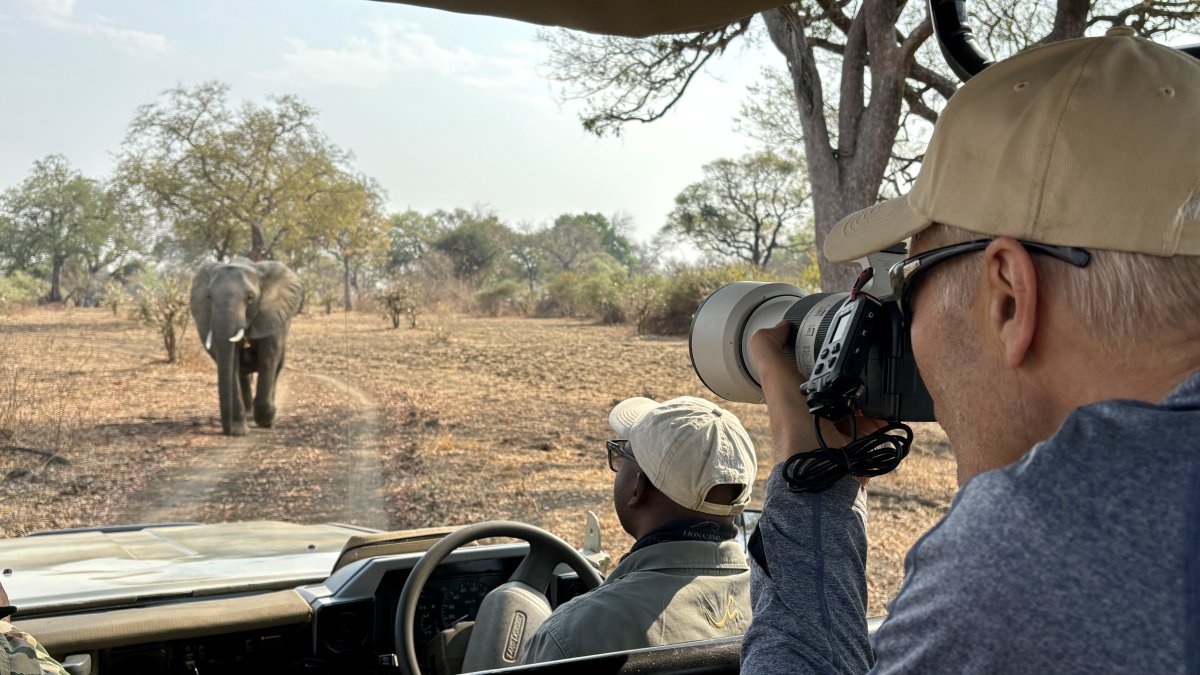

What if a photo trip left room for the moments between planned stops? The benefits of a small group photo tour include a calmer pace, more time to work on images, and space to experience a destination beyond the viewfinder. With a guide who knows the area, you can get help choosing where to stand and which angles to try.
It’s natural to want a plan, especially when weather and light can change. A smaller group can make it easier to adjust the day’s pace and focus, while leaving room to notice local life along the way. This guide explains how small-group photo tours can support those experiences, help you learn in the field, and make flexible plans around changing conditions. You’ll also see what to consider when choosing a scheduled departure, a custom journey, or an on-demand expedition for your photography goals.
The benefits of a small group photo tour are clearest when you want a guided, photography-focused journey. Independent travel offers control, but you must plan locations, timing, and transport yourself. While leisure specialists like Health Travels Concierge offer tailor-made sightseeing and concierge planning for city destinations, wildlife photography requires a different focus. With Tusk Photo’s guided wildlife expeditions, the emphasis is on photographic opportunities in the field, with trips led by experienced guides.
Local knowledge can help you reach promising viewpoints and hidden gems. A knowledgeable guide can suggest where to position yourself and which angles to try, then allow time to photograph each place. That extra time matters when wildlife moves or the light changes. Instead of waiting for a large group to gather, you can stay engaged with the scene.
Travel with people who share your interest, and the experience becomes collaborative. Fellow photographers can exchange ideas, help one another spot a subject, and create shared memories. A Travel Director or Local Expert can also offer more personal access in a smaller group, making it easier to ask about a location or its local life.
When choosing an operator, look for knowledgeable guides, a photography-focused itinerary, and a clear approach to changing conditions. Ask whether beginners and experienced photographers can both take part; suitable equipment is the camera you can use confidently for your subjects.
For unforeseen circumstances, a company arranging group travel will ensure travelers have travel insurance. That practical step supports a more meaningful trip without distracting from the photography.
Wildlife destinations offer more than scenic viewpoints: observing animal behavior and the surrounding landscape can add context to your photographs. Take time to notice how animals move through their habitat, how the light changes, and which details help tell the story of a place. These observations can lead to more considered images.
A small group photo tour keeps the focus on photography and the experience of being in the field. Rather than treating wildlife sightings as a quick stop, you can concentrate on observing the scene and choosing what to photograph. Look beyond a straightforward animal portrait: behavior, surroundings, and changing light can all help convey a destination’s character.
A photography guide brings practical expertise to each outing. They can suggest a respectful position, notice how light falls across a table or workshop, and help frame details without interrupting people. For example, an artisan’s hands at work may tell a clearer story than a posed portrait. A guide’s local awareness helps balance picture-making with being present, making the experience meaningful beyond the images.
For a journey shaped around your photography interests, explore Tusk Photo’s tailor-made tours.
Weather can change the best time to photograph a landscape or wildlife. If morning clouds soften the light, a guide may adjust the day’s timing or choose another location. That flexibility helps keep the journey focused on taking photographs, while leaving room for local culture and other activities.
A planned expedition gives your photography journey structure, with destinations and field experiences selected around wildlife photography. Tusk Photo offers scheduled departures as well as tailor-made and on-demand journeys. Compare the available tour details to find a format and destination that fit your interests.
Camera gear, transportation, meals, and park fees aren’t automatically included in every tour. Inclusions vary, so use the specific itinerary to see what’s covered—when booking independent connections to safari lodges or game reserves, dedicated road transfer providers like Zaf Travel can help bridge the gap. Weather and schedule changes are also possible: storms, poor visibility, or changing conditions can affect access and photographic opportunities. A flexible plan can adapt, but it can’t control the weather or guarantee a particular image.
Before joining, consider whether the itinerary leaves room to adjust activities as conditions shift. That balance matters for photographers who share a passion for wildlife and want time to make thoughtful images. Explore scheduled photo tour dates to see how each journey is planned.

Once you know what you want from a wildlife photography journey, Tusk Photo offers three ways to plan it: Scheduled Tours, Tailor Made Tours, and On Demand Tours. Choose a format based on your preferred destination, interests, and travel plans. Each offers a way to explore wildlife destinations with experienced guides.
Scheduled Tours suit photographers whose plans match a planned departure and itinerary. They offer a structured way to travel alongside others who share an interest in wildlife photography. Review the tour details to see whether the destination and photographic focus fit what you hope to capture.
For a journey shaped around particular interests, consider a Tailor Made Tour. These custom-designed photographic journeys suit travelers who want an experience built around their preferences. An On Demand Tour may be a better fit if you want an expedition arranged around a specific request or timing.
All three options connect travel with time in the field. Tusk Photo’s experienced guides support beginners and seasoned professionals as they pursue photographic opportunities in remarkable wildlife destinations. Consider which matters most to you: a set itinerary, a custom-designed journey, or an on-demand expedition. That choice can help you find the right fit for your plans.
Ready to talk through your photography travel plans? Contact Tusk Photo to take the next step.
Start by naming the subjects that draw you in, from wildlife behavior to the changing character of a landscape. Think about what you hope to photograph and how you want to experience each destination. Those priorities can help turn a broad travel idea into a clearer direction for your photography.
The benefits of a small group photo tour are most meaningful when the journey reflects your curiosity, not just a list of destinations. You don’t need a perfect shot list. A few clear interests can give you a helpful starting point for discussing what matters to you and the kind of experience you want.
Take that first step with Tusk Photo. Share your photography interests and travel ideas, then explore a direction that feels right for you. Talk with Tusk Photo about your tour, and look ahead to the moments you’re excited to discover.
Small group tours are guided trips shared by a limited number of travelers, rather than a large coach-sized crowd. On a photography tour, the itinerary is designed around making images, with guidance in the field. The exact group size varies by operator and trip, so the label alone doesn’t tell you how many people will travel together.
The benefits of a small group photo tour include guided field experience and the chance to learn alongside photographers with different levels of experience. A beginner can gain confidence by watching how a more experienced participant approaches a scene, while a seasoned photographer can focus on a specific subject. The guide helps connect those interests to the places visited.
There’s no single group size used by every photography tour operator. Capacity depends on the trip’s format, transport, and locations, so “small group” isn’t a precise headcount on its own. For context, large group tours can carry 40 to 50 passengers or more. Look at the stated group limit when comparing specific itineraries.
A small group tour shares its guide and itinerary among several travelers, while a private photography tour focuses on one person or travel party. Large group tours can carry 40 to 50 passengers or more, which may mean coordinating more people at each stop. A small group offers a middle ground between a shared departure and a private trip.


