
Baobabs and Stars Workshop: Night Sky Photo Tour Guide
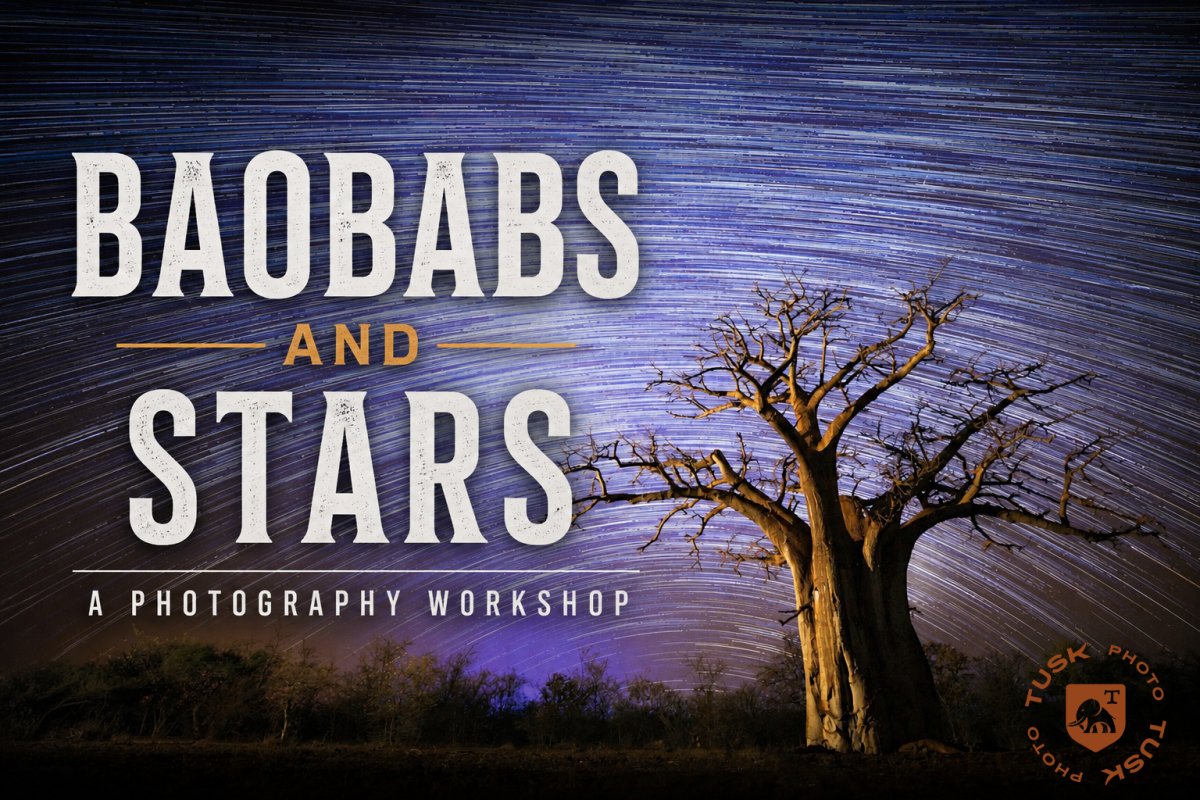

Last month, a sequence of the Milky Way above an ancient baobab at Botswana’s Island of Lost Baobabs was shot over almost eight hours. A Baobabs and Stars workshop offers a chance to learn how to photograph this striking meeting of tree and sky, while taking time to appreciate the universe above Botswana’s Makgadikgadi Pans.
It’s easy to picture the finished image: a great tree beneath a bright sweep of stars. Making it takes more than pointing a camera upward. The setting, timing, composition and camera choices all shape the final frame, while patience lets the night reveal its depth.
This guide covers how to prepare a Milky Way composition, place the baobab within it and make practical exposure choices without losing sight of the experience itself. You’ll also find ways to slow down, look beyond the frame and connect with the vast night sky.
• Choose the Island of Lost Baobabs in Botswana’s Makgadikgadi Pans as your scene. A Milky Way sequence there took almost 8 hours last month. Use that example to plan a patient session, not one hurried frame.
• Study the baobab’s shape before composing. Step back until the trunk and branches stand clearly against the sky. Place the tree off-centre to leave room for the Milky Way’s sweep. Check the frame edges for distracting branches or bright objects.
• Build a strong foreground before the sky becomes your focus. Let the baobab anchor the image, then include enough open sky to show the stars. A low viewpoint can make the tree feel imposing, while a wider view reveals more of its surroundings.
• Stabilise your camera on a tripod and keep it still during each exposure. Focus carefully on a distant light or the stars, then review the image. If the baobab looks soft, adjust focus before changing the composition.
• Make a test exposure and inspect both the tree and sky. Adjust exposure to retain star detail without losing the baobab’s outline. Repeat with small changes, since the balance depends on the scene’s darkness and the camera’s response.
• Work through the night with intention. Capture a few compositions, then pause to look up without the camera. The ancient baobab and the Milky Way offer more than a subject: they give the frame a sense of place and scale.
Beth Moon photographed baobab and quiver trees in remote locations in Botswana, Namibia and South Africa, far from civilization and light pollution, a reminder to seek dark settings for night work. A stock-photo caption describes baobab trees on Madagascar as capable of living as long as 1,000 years. A commenter who visited Botswana described baobab fruit as tasting like marshmallows.
• Begin by observing the sky before raising your camera. Find the Milky Way’s pale band and notice how it crosses the darkness. In South Africa’s Pafuri Concession, within Kruger National Park, a vertical photograph captures millions of stars. Let that view remind you how much lies beyond one frame.
• Choose one point to study, such as a bright star or the Milky Way’s central glow. Hold your gaze there, then widen your attention to the surrounding sky. This simple shift helps you see patterns and depth instead of treating the night as a flat, dark background.
• Use the baobab as a point of connection between Earth and space. Notice its rooted trunk against the open sky, then consider how the same stars extend far beyond the landscape. In a photograph, that contrast gives the viewer a familiar shape beneath an immense field.
• Take a short pause between frames. Lower the camera, let your eyes adjust, and look for changes in brightness across the sky. Avoid trying to identify every star. A quiet moment can make the scale of the scene more meaningful than a crowded composition.
• Think about what the image leaves outside its borders. A vertical frame may draw attention upward, while a wider composition can hold more of the surrounding landscape. Choose the view that best expresses your own sense of scale, rather than adding sky without purpose.
• Finish by making one image that reflects what held your attention. It might be the Milky Way above a baobab, or the contrast between a dark horizon and star-filled sky. Keep the composition simple, then spend a moment looking upward without a viewfinder.

• Begin with a short period of sky observation before making images. Find the Milky Way, notice its shape and consider how it appears above the baobab. This opening activity connects the photography session with a wider appreciation of the night sky.
• Explore the baobab through a hands-on sculpture activity. The Build-A-Baobab lesson is designed to take 45 minutes. Shape a small tree, then compare its trunk and branches with the real silhouette outside.
• Keep the sculpture simple and recognisable. Learners are invited to make baobab sculptures approximately 10-20 cm tall. Use that scale to focus on distinctive features, such as the broad trunk and branching crown.
• Add a creative activity with a mask-making lesson. The DIY masks lesson is designed to take 45 minutes. Choose shapes and details inspired by the landscape, then consider how creative interpretation differs from recording a scene through a camera.
• Bring each activity back to observation. Look closely at the baobab’s outline, then decide which details matter most in a photograph or sculpture. This helps turn careful looking into a stronger visual idea.
• Allow time to share what each person noticed. One learner might focus on the tree’s scale, while another notices its shape against the stars. Comparing observations makes the baobab and night sky meaningful subjects, not just scenery.
• Finish by choosing one idea to carry into a final image. It could be the contrast between a sculpted tree and open sky, or the feeling of looking upward beneath an ancient baobab. Keep the idea personal and clear.
Tusk Photo offers Scheduled Tours for photographers who want to explore remarkable wildlife destinations with experienced guides. A scheduled departure may suit you if you’re happy to join a planned photographic journey and learn in the field, whether you’re new to photography or have years of experience.
If you’d rather shape a journey around your interests, Tusk Photo also offers Tailor Made Tours and On Demand Tours. These options offer another way to turn a photographic goal into a travel plan, including an interest in night skies and distinctive landscapes.
Explore Tusk Photo’s scheduled tours to see whether a guided journey suits your plans, or visit tuskphoto.com to learn more.
Choose the image you want to make, then let that idea guide your planning. A Baobabs and Stars workshop can be more than a camera-focused experience: it can shape how you notice the landscape, spend time beneath the night sky and tell a story through your photographs. Think about what matters most to you, from learning in the field to making space for quiet observation. That intention can help you decide what kind of photographic journey feels right.
Tusk Photo offers different ways to explore photographic journeys, including scheduled departures and journeys shaped around individual interests. If you’re ready to discuss a workshop inspired by baobabs and the stars, contact Tusk Photo to plan your workshop. Take the first step, and let your curiosity lead.
Here, the Baobabs and Stars Workshop means a guided photography experience centered on photographing a baobab beneath the night sky. It brings together camera practice, thoughtful composition and time to observe the stars. The aim is to create an image that reflects both the distinctive tree and the wider landscape, rather than treating the sky as a simple backdrop.
Tusk Photo organizes photographic tours led by experienced guides. If you’re interested in a Baobabs and Stars Workshop experience, its Scheduled Tours, Tailor Made Tours and On Demand Tours offer different ways to approach a photographic journey. The right format depends on whether you prefer a planned departure or a trip shaped around your interests.
The setting featured in this guide is the Island of Lost Baobabs in Botswana’s Makgadikgadi Pans. The timing depends on the tour format: Scheduled Tours follow set departure dates, while Tailor Made Tours and On Demand Tours offer other ways to shape a journey. Consider which format best suits your travel plans and photography interests.
Explore Tusk Photo’s tour options and choose the journey that best fits your plans. Each tour listing has an “Explore” option for viewing its details. If your main interest is night-sky photography, consider whether a scheduled departure or a journey shaped around your interests is the better fit.
It suits photographers of any experience level, from beginners to experienced photographers. The workshop focuses on photographing a baobab beneath the night sky.


