
Amboseli Elephants & Kilimanjaro: Photo Safari Guide
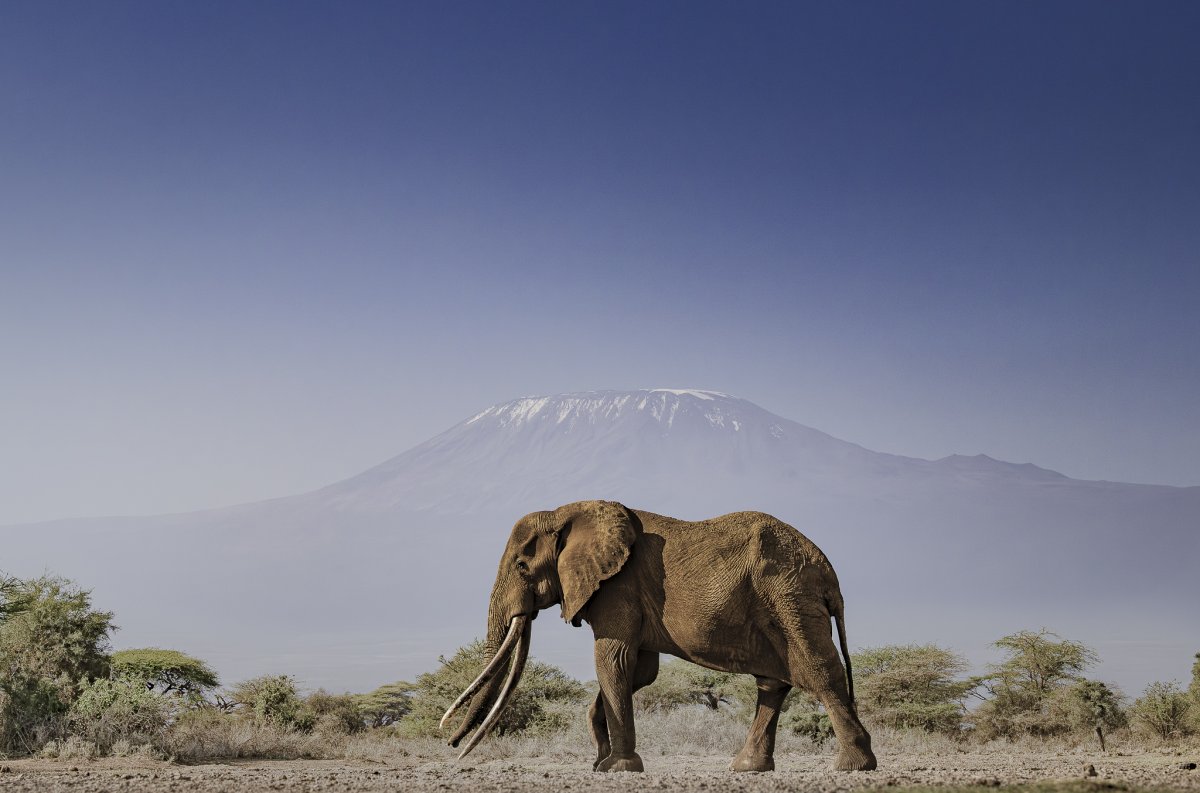

The dry season is a strong choice for seeing Amboseli elephants and Kilimanjaro, although clouds can still obscure the mountain. For good game viewing, plan your visit for January and February or June to October. Big-tusked elephants are a major draw, and when Kilimanjaro’s snow-capped peak emerges, it makes a striking backdrop.
It’s natural to hope for a clear mountain view from the moment you arrive. In practice, clouds and fog can hide Kilimanjaro, so patience is part of the experience. Allow at least two nights for an elephant safari; three gives you more time to explore the swamps and northern zone and see how the mountain looks in different light.
This guide covers when to visit, how long to stay, and what to expect from elephant encounters and Kilimanjaro views, helping you shape a photo safari around the moments you most want to capture.
Start at the swamps before 7:00am for early light and a chance of clearer views. One visitor woke at 6am, then saw clouds lift around 8am during breakfast. The mountain appeared for about 30 minutes. Reach a swamp early, frame elephants with the peak when it emerges, and stay ready as cloud cover shifts. If the summit stays hidden, use the morning light for close wildlife details. Keep your camera ready between sightings.
Amboseli also offers bird subjects during a cloudy spell. Kenya Wildlife Service identifies the park as one of Kenya’s 60 Important Bird Areas (IBAs), hosting over 400 bird species, including 40 birds of prey. For a photo safari, that means the mountain isn’t the only reason to pause and watch. Arrive early, scan the swamps for elephants and birds, then adapt your composition as the light changes. The result can be a varied set of images, even when Kilimanjaro appears only briefly.
Plan at least two nights in Amboseli National Park for an elephant safari. Three nights gives you time to visit the major swamps and northern zone and experience morning and evening light on Kilimanjaro. Game viewing is strongest in the dry seasons, January and February, and June to October. March to May and November to December are wet-season months.
Set out on a morning game drive before breakfast to catch early wildlife activity. Elephants are often found around the park’s swamps, while a longer stay leaves time to explore the northern zone and plains. Wet-season rain can affect road conditions, so keep your plans flexible. Kibo Safari Camp is just outside Kimana Gate, a useful location to consider when planning access to the park.
For safe elephant viewing, stay in the safari vehicle and follow your guide’s directions. Give the animals space rather than approaching them. First-time visitors to Kenya are advised against self-driving. If you want to explore more of the country beyond the reserve, H&S Magazine Kenya offers insights into local travel and lifestyle. Entry fees for international visitors depend on the applicable visitor category and pass, so include the park charge in your trip budget.
Amboseli National Park is known for its big-tusked elephants, but their value extends beyond a striking photograph. More than 1,600 African elephants lived in the park as of 2026, and herds can number up to 100 animals. That scale offers visitors a chance to observe elephants moving together across the destination, rather than focusing only on a single animal. In a photograph, a large tusker against the open landscape can show both the animal’s size and its surroundings.
Amboseli’s elephant families also have a remarkable research history. Researchers have tracked family groups across five generations since 1972. That long view gives the park’s elephants a deeper story: each sighting belongs to a living social world, not just a memorable encounter. Watch how family members gather and move, and give the group time to pass through the scene. A patient approach can reveal more than a close view of tusks.
Treat big-tusked elephants as both compelling photographic subjects and wild animals. Stay in the safari vehicle, follow your guide’s directions, and look for compositions that include the herd and its setting. If a large-tusked elephant appears, frame the moment without moving closer. Strong Amboseli images can capture both a tusker’s distinctive presence and the family life around it.

Tusk Photo helps photographers plan wildlife journeys around the experiences they want to capture. If Amboseli’s elephants and Kilimanjaro views inspire your plans, choose the trip style that suits you: a scheduled departure, a journey designed around your interests, or an expedition arranged on demand. Experienced guides lead Tusk Photo’s tours, supporting photographers from beginners to seasoned professionals and creating opportunities to photograph wildlife.
Scheduled Tours suit travellers who want to join a planned departure. Tailor Made Tours shape a journey around your interests, while On Demand Tours offer another way to plan an expedition. Consider what you most want to photograph, whether that means observing elephant families, looking for big-tusked bulls, or working with changing light and mountain views.
Before planning, consider which wildlife moments you hope to photograph and how much flexibility you want in your itinerary. Those priorities can help guide the choice between a scheduled trip and a more individually shaped journey. You can also share your photography interests when discussing the next step. For a wildlife photography journey, contact Tusk Photo.
A photo journey focused on Amboseli elephants and Kilimanjaro is about more than ticking off sightings. Picture the images you hope to bring home: a herd crossing open ground, a quiet moment between family members, or a changing landscape that sets the scene. Let that vision guide the pace of your days and help you choose the kind of journey that feels right.
Leave time to observe. Wildlife encounters unfold at their own pace, and the most meaningful frame may come from watching rather than rushing to the next sighting. Knowing your priorities makes it easier to plan a safari that reflects your interests and approach to photography.
Tusk Photo offers different ways to shape a wildlife photography journey. Plan your safari with Tusk Photo, and take the next step toward a trip built around the moments you want to experience.
For strong game viewing, visit in January and February or from June to October. March to May and November to December are wet-season months, when rain can affect safari conditions. If photography is your priority, consider how the season suits your subjects: dry-season visits are good for wildlife viewing, while December and January are also associated with clearer Kilimanjaro views after the short rains clear dust.
Amboseli National Park is in Kenya, about 240 kilometres southeast of Nairobi. Its location makes it possible to include the park in a Kenya safari itinerary that begins in the capital. Plan the transfer as part of the trip rather than treating Amboseli as a quick stop, especially if you want time for wildlife viewing and photography inside the park.
Amboseli National Park is home to more than 1,600 African elephants as of 2026. The park’s elephant families are also closely studied: researchers have tracked family groups across five generations since 1972. For visitors, this long history adds context to a sighting. Watch how elephants travel and gather as a family, rather than focusing only on one large-tusked animal.
Yes. Kilimanjaro can be seen from much of Amboseli when clouds and fog don’t obscure the mountain. The swamps are useful places to look, especially in the early morning, when the landscape can provide a striking foreground for photographs. Arrive before 7:00am, then watch for changes in the cloud cover and be ready to frame elephants or birds with the mountain.
January offers a useful overlap: it falls in a dry-season game-viewing period and is also associated with sharp Kilimanjaro visibility. December can bring clear mountain views after the short rains clear dust, while June to October is another strong period for game viewing. For a trip focused on Amboseli elephants and Kilimanjaro views, plan for both wildlife conditions and the possibility of clear skies.


